
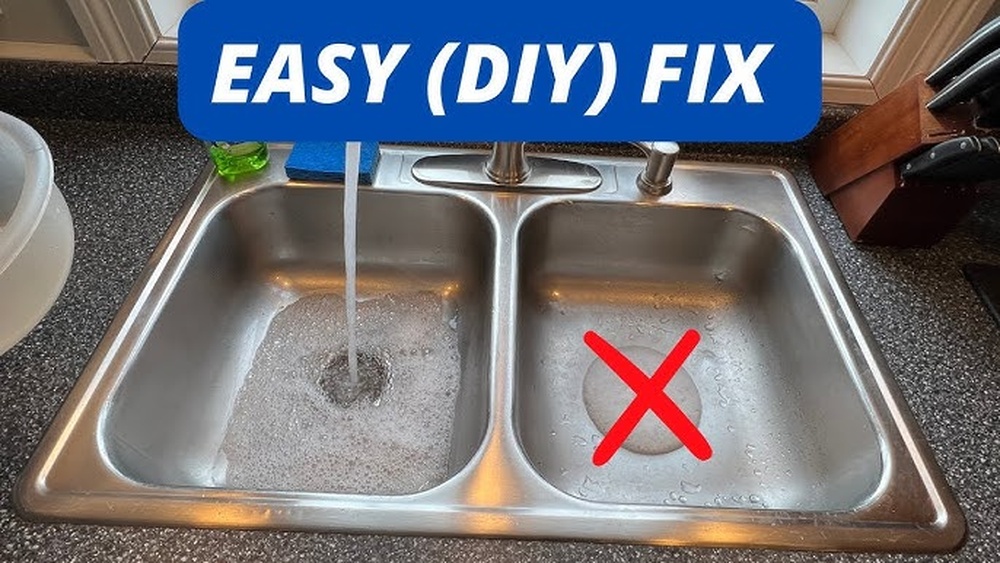
Is your kitchen sink draining slowly or not at all? A problem with kitchen sink drainage can quickly turn from a small annoyance into a major hassle.
You might notice water pooling, strange odors, or even leaks that disrupt your daily routine. But why does this happen, and more importantly, how can you fix it before it gets worse? Keep reading to discover simple, effective solutions that will help you get your sink flowing smoothly again—without calling a plumber right away.
Your kitchen deserves to work perfectly, and so do you.
Contents
- 1 Common Drainage Issues
- 2 Diy Quick Fixes clogged kitchen sink drainage can cause a lot of trouble. Waiting for a plumber is not always possible. Simple tools and household items can fix many common drainage issues fast. These DIY quick fixes save time and money. You can try them safely without special skills. Let’s explore some easy methods to clear your sink drain.
- 3 Preventive Tips
- 4 When To Call A Professional
- 5 Frequently Asked Questions
- 6 Conclusion
Common Drainage Issues
Kitchen sink drainage problems are common in many homes. These issues can disrupt daily tasks and cause frustration. Understanding common drainage issues helps identify problems early. This way, you can fix them before they get worse.
Slow Draining
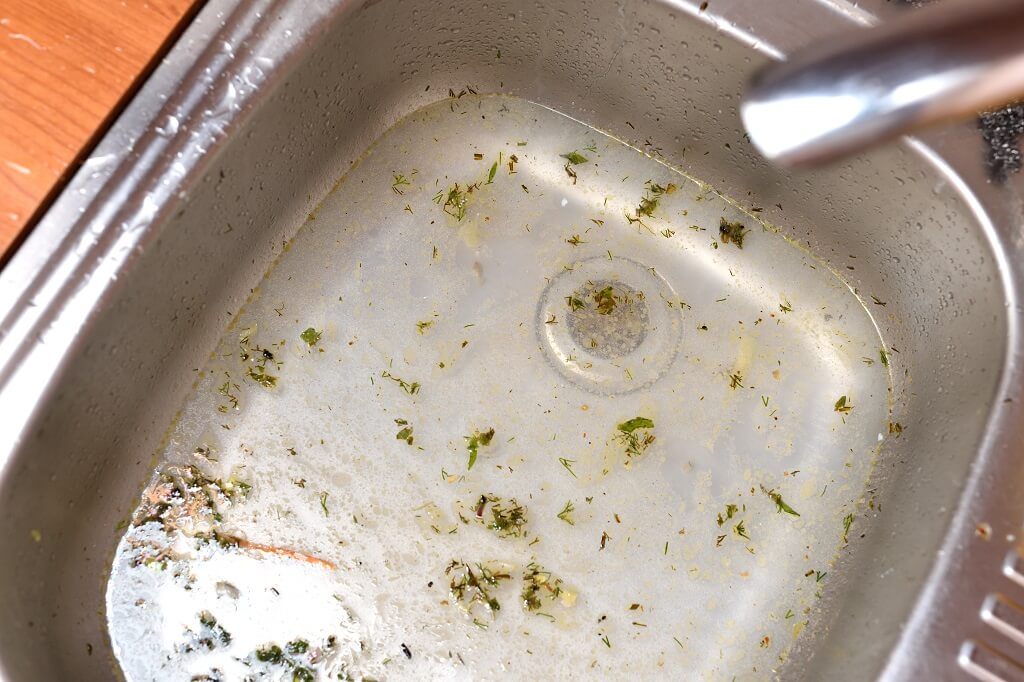
Slow draining happens when water takes too long to go down the drain. It usually means there is a partial blockage. Food scraps, grease, and soap can build up inside pipes. This slows the water flow and causes backups. Slow drainage often signals a need for cleaning or unclogging.
Clogged Pipes
Clogged pipes block water completely. This stops drainage and may cause water to pool in the sink. Hair, grease, and debris often cause clogs. Pipes with narrow openings are more prone to clogging. Clearing clogs quickly prevents damage to the plumbing system.
Foul Odors
Bad smells from the kitchen sink drain are a sign of trapped debris. Food particles can rot and create odors. Bacterial growth inside the pipes also causes smells. Foul odors indicate a need for cleaning the drain and pipes. Regular maintenance helps keep the sink smelling fresh.
Water Backflow
Water backflow means water flows back into the sink. It happens when the drainage system is blocked or damaged. Backflow can cause dirty water to rise and spill. This problem needs urgent attention to avoid water damage. Checking the plumbing system prevents backflow issues.

Credit: www.youtube.com
Diy Quick Fixes clogged kitchen sink drainage can cause a lot of trouble. Waiting for a plumber is not always possible. Simple tools and household items can fix many common drainage issues fast. These DIY quick fixes save time and money. You can try them safely without special skills. Let’s explore some easy methods to clear your sink drain.
Boiling Water Flush
Boiling water helps break down grease and soap buildup. Pour a pot of boiling water slowly into the drain. Repeat this process two or three times. This flush loosens minor blockages. It works best for grease clogs and slow drains.
Baking Soda And Vinegar
This natural mixture creates a fizz that clears drains. Pour half a cup of baking soda down the drain. Follow with half a cup of vinegar. Cover the drain with a plug or cloth. Wait 15 to 30 minutes. Flush the drain with hot water to clear debris.
Using A Plunger
A plunger creates pressure to dislodge clogs. Fill the sink with a few inches of water. Place the plunger over the drain and push down firmly. Pull up quickly to release pressure. Repeat several times. This method works well for small blockages.
Manual Removal Of Debris
Sometimes, the clog is close to the drain opening. Remove the drain stopper or strainer carefully. Use a wire hanger or drain snake to pull out hair or food waste. Wear gloves to keep your hands clean. Dispose of the debris properly. This hands-on approach clears tough blockages near the surface.
Preventive Tips
Preventing kitchen sink drainage problems saves time and money. Small daily actions keep drains clear and water flowing smoothly. Follow these simple tips to avoid clogs and bad smells.
Regular Cleaning Habits
Clean the sink and drain regularly. Use warm water and mild soap to remove food bits. Pour boiling water down the drain once a week. This helps clear grease and dirt build-up. Avoid harsh chemicals that can damage pipes.
Avoiding Grease Disposal
Never pour cooking grease or oil into the sink. Grease hardens in pipes and causes clogs. Instead, collect grease in a container and throw it in the trash. This simple step prevents blockages and keeps drains clean.
Using Drain Screens
Place a drain screen or strainer over the sink drain. It catches food scraps and debris before they enter pipes. Clean the screen after each use. This stops clogs and makes cleaning easier.
Routine Maintenance
Check pipes and drains regularly for leaks or damage. Use a plunger or drain snake to clear minor clogs early. Schedule professional drain cleaning every year. Routine care keeps drains working well and avoids costly repairs.
Credit: www.gladesvilleplumbing.com.au
When To Call A Professional
Knowing when to call a professional for kitchen sink drainage problems saves time and money. Some issues need expert tools and skills. Trying to fix complex problems alone can cause more damage.
Here are signs that show a plumber’s help is necessary. Recognize these early to avoid bigger issues.
Persistent Clogs
Clogs that do not clear with plungers or drain cleaners need a professional. They can find blockages deep in pipes. Professionals use special tools to remove stubborn debris. Persistent clogs may signal pipe damage or buildup that requires expert care.
Leaking Pipes
Leaks under the sink cause water damage and mold growth. Small leaks can worsen quickly. A plumber can locate leaks hidden behind walls or cabinets. They fix pipes correctly to prevent future leaks. Do not ignore dripping or pooling water.
Damaged Plumbing
Cracked or broken pipes need expert repair or replacement. Damage may come from age, corrosion, or accidents. Professionals inspect plumbing with cameras to find hidden problems. Proper repairs keep your kitchen safe and functional.
Unusual Noises
Gurgling, banging, or rattling noises in drains signal trouble. These sounds often mean air trapped in pipes or blockages. A professional plumber can diagnose the cause. Early fixes stop noises from turning into bigger issues.

Credit: diy.stackexchange.com
Frequently Asked Questions
Why Is My Kitchen Sink Drainage Slow?
Slow drainage often happens due to clogged pipes. Food particles, grease, and soap scum build up and block water flow. Regular cleaning and avoiding pouring grease down the sink can prevent clogs. Using a drain strainer also helps catch debris before it enters the drain.
How To Fix A Kitchen Sink Drainage Clog?
Start by using a plunger to clear minor clogs. If that fails, try a drain snake or a mixture of baking soda and vinegar. Avoid harsh chemicals as they can damage pipes. For persistent issues, calling a professional plumber is the best solution.
What Causes Foul Odors From Kitchen Sink Drains?
Foul odors usually come from trapped food debris or bacterial buildup. Standing water in the trap can also cause smells. Regularly cleaning the drain and running hot water helps eliminate odors. Using a natural drain deodorizer can keep your sink smelling fresh.
Can Grease Cause Kitchen Sink Drainage Problems?
Yes, grease solidifies in pipes and causes blockages. Pouring grease down the sink leads to slow drainage and clogs. Always dispose of grease in a container and throw it in the trash. Cleaning the sink with hot water after washing greasy dishes helps too.
Conclusion
Kitchen sink drainage problems can cause big troubles in your home. Clogged pipes slow water flow and create bad smells. Regular cleaning and care help keep drains clear. Small fixes often stop bigger issues from starting. Knowing simple tips saves time and money later.
Pay attention to drainage signs early. Clean your sink drain often to avoid a mess. Fix problems quickly to keep your kitchen running well. A healthy sink means a happier kitchen.