
Are you thinking about upgrading your kitchen sink? Granite composite sinks have become a popular choice, but are they the right fit for your home?
Understanding the pros and cons of granite composite sinks can help you make a smart decision that matches your style and needs. You’ll discover what makes these sinks stand out and where they might fall short. Keep reading to find out if a granite composite sink is the perfect addition to your kitchen.
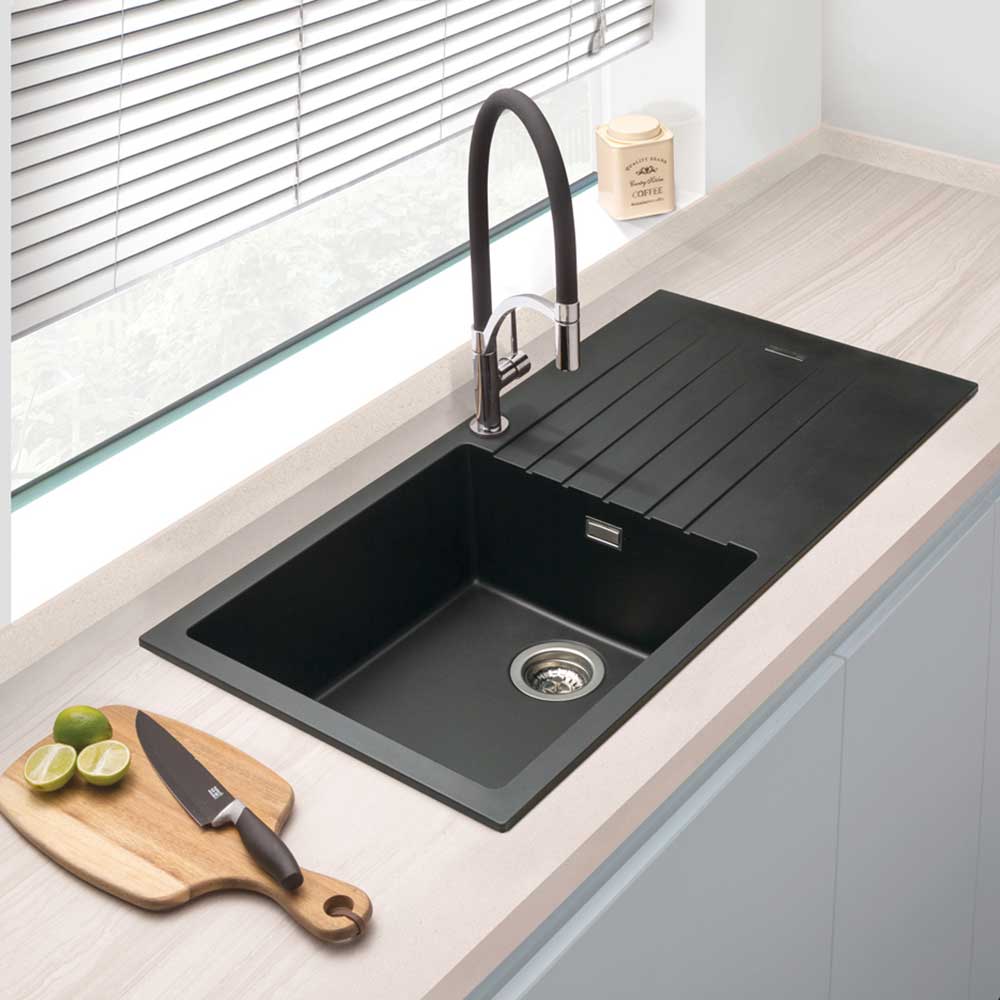
Credit: cookology.com
Contents
Benefits Of Granite Composite Sinks
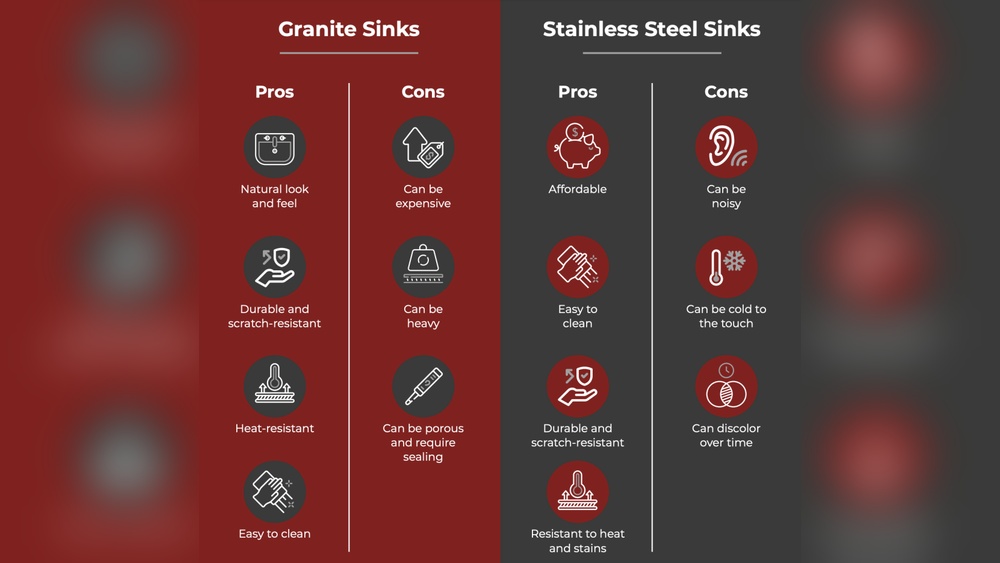
Granite composite sinks offer many benefits that make them a popular choice for kitchens. These sinks combine natural stone and resin to create a strong, stylish option. They stand out for their durability and ease of care. Below are some key advantages of granite composite sinks.
Durability And Strength
Granite composite sinks are very tough and long-lasting. The mix of granite stone and resin creates a solid surface. They resist chips and cracks better than many other sink materials. This strength makes them ideal for busy kitchens.
Resistance To Scratches And Stains
These sinks resist scratches from daily use. The hard surface prevents marks from pots, pans, and utensils. They also resist stains from food and liquids. This keeps the sink looking new for a long time.
Heat Tolerance
Granite composite sinks handle heat well. Hot pots or pans placed in the sink will not cause damage. This heat resistance adds to their practical use in the kitchen.
Aesthetic Appeal
Granite composite sinks come in many colors and finishes. Their natural stone look adds style to any kitchen. They blend well with different countertop materials. This makes them a versatile design choice.
Low Maintenance Needs
These sinks require little upkeep. They clean easily with mild soap and water. No special cleaners or treatments are needed. Their resistance to stains and scratches helps keep maintenance low.

Credit: www.letsrenovate.com
Drawbacks Of Granite Composite Sinks
Granite composite sinks offer many benefits but also have some drawbacks to consider. Knowing these can help you decide if this sink type fits your kitchen needs. Below are the key disadvantages of granite composite sinks.
Higher Initial Cost
Granite composite sinks cost more than regular stainless steel or acrylic sinks. The material and manufacturing process raise the price. This higher cost may not fit all budgets.
Potential For Chipping
Granite composite can chip if hit by heavy or sharp objects. Though durable, it is not completely scratch-proof or chip-proof. Small chips can affect the sink’s look.
Weight And Installation Challenges
These sinks are heavy and need strong cabinet support. Installation can be harder and take more time. Sometimes, professionals are needed to install them properly.
Color Fading Over Time
Exposure to sunlight and harsh cleaners can fade the sink’s color. Darker shades may show wear faster. This fading can reduce the sink’s original beauty.
Limited Repair Options
Repairing granite composite sinks is difficult. Chips or cracks are hard to fix well. Often, the sink must be replaced if damage is severe.
Materials And Composition
Granite composite sinks are popular in kitchens. Their materials and composition affect durability and style. Understanding what makes them helps in choosing the right sink. This section explains key parts of granite composite sinks.
Granite Vs Quartz Content
Quartz is also strong but offers a smoother look. The amount of granite or quartz varies by brand. More stone means better resistance to scratches and heat.
Binding Resins And Their Role
Binding resins hold the stone particles together. These resins mix with stone to form a solid sink surface. Good resins add strength and make sinks waterproof. They also help sinks keep their color and resist stains. Poor resins can cause sinks to chip or fade.
Impact On Performance
Materials affect sink performance in many ways. High stone content means better resistance to heat and scratches. Strong resins ensure the sink stays solid and durable. The right mix prevents cracks and chips. This mix also keeps sinks looking new longer.
Styles And Designs Available
Granite composite sinks come in many styles and designs. This variety helps you find the perfect sink for your kitchen. You can choose based on your needs and kitchen look. The design choices also affect how easy the sink is to use and clean.
Single Bowl Vs Double Bowl
Single bowl sinks offer one big space for washing large pots. They save counter space and look sleek. Double bowl sinks have two separate areas. This setup allows washing and rinsing at the same time. Choose single for simplicity and space. Choose double for multitasking and organization.
Color Variations
Granite composite sinks come in many colors. Common colors include black, gray, white, and beige. These colors match many kitchen styles. Dark colors hide stains and scratches better. Light colors brighten the kitchen and feel fresh. Pick a color that fits your kitchen theme.
Finish Options
The finish changes the sink’s look and feel. Matte finishes offer a smooth, modern style. They hide water spots and fingerprints well. Glossy finishes add shine and a polished look. They can show marks more easily but look bright. Select a finish that fits your kitchen’s mood.
Installation Considerations
Installing a granite composite sink needs careful thought. These sinks are heavy and need strong support. The countertop must fit the sink well. Deciding between hiring a pro or doing it yourself also matters. Understanding these points helps make the installation smooth and safe.
Weight Support Requirements
Granite composite sinks weigh more than regular sinks. Cabinets below must be strong enough to hold the sink and water. Reinforced frames or extra braces may be needed. Failing to support the weight can cause damage over time.
Countertop Compatibility
Not all countertops fit granite composite sinks. The sink size and shape must match the cutout. Materials like granite, quartz, and solid surface work best. Laminate countertops may need extra care to avoid damage during installation.
Professional Vs Diy Installation
Professional installers bring skill and tools. They ensure a tight, leak-free fit. DIY installation can save money, but needs careful measuring and handling. Mistakes may cause costly repairs. Choose what matches your comfort and skill level.

Credit: freeyork.org
Maintenance Tips
Granite composite sinks offer strength and style, but they need care to last long. Proper maintenance keeps them looking fresh and prevents damage. Simple daily habits can protect your skin and save money.
Cleaning Best Practices
Use a soft sponge or cloth for cleaning. Mild dish soap and warm water work well. Avoid harsh chemicals or abrasive pads that can scratch the surface. Rinse the sink thoroughly and dry it with a soft towel. Regular cleaning stops stains and buildup.
Preventing Damage
Do not drop heavy pots or sharp objects in the sink. Use a sink grid or mat to protect the bottom. Avoid leaving acidic foods or liquids on the surface for long. Hot pans should not touch the sink directly. These steps prevent chips, cracks, and discoloration.
Restoring Appearance
For minor stains, make a paste of baking soda and water. Gently rub it on the stain with a soft cloth. Rinse well and dry. A small amount of mineral oil can restore shine. Apply it with a soft cloth and buff the surface. This keeps your sink looking new.
Comparing With Other Sink Materials
Granite composite sinks offer a unique blend of durability and style. Comparing them with other common sink materials helps you choose the right one for your kitchen. Each material has strengths and weaknesses that affect performance and look.
Stainless Steel Sinks
Stainless steel sinks are popular for their modern look and affordability. They resist rust and stains but can scratch easily. These sinks are lighter than granite composite, making installation simpler. Noise can be louder when water or dishes hit the surface. Granite composite is quieter and more scratch-resistant.
Porcelain Sinks
Porcelain sinks have a smooth and shiny surface. They resist stains well but can chip or crack if hit hard. Porcelain is heavier than stainless steel but lighter than cast iron. Granite composite sinks are less likely to chip and offer more color options. Porcelain requires careful maintenance to keep its shine.
Cast Iron Sinks
Cast iron sinks are very strong and have a glossy finish. They resist heat and scratches but are very heavy. Installation can be difficult due to the weight. Cast iron sinks may chip if struck hard, revealing metal underneath. Granite composite sinks provide similar durability but weigh less and resist chipping better.
Cost Analysis And Value
Understanding the cost and value of granite composite sinks helps make smart kitchen choices. These sinks offer a mix of style and durability. Knowing the price and benefits guides buyers in spending wisely. This section breaks down the key cost points and the worth of these sinks.
Price Range Overview
Granite composite sinks usually cost between $200 and $600. The price depends on size, brand, and design. High-end models may reach $800 or more. This range fits many budgets but is higher than stainless steel sinks. It balances quality and affordability for many homes.
Long-term Investment
Granite composite sinks resist scratches and stains. They stay looking new for years. This durability means fewer repairs or replacements. Over time, the sink saves money by lasting longer. It adds value to the kitchen, making it a smart buy.
Warranty And Lifespan
Most granite composite sinks come with a 10-year warranty. This coverage protects against defects and damage. The sinks often last 15 to 20 years with care. A strong warranty shows the brand’s confidence in quality. It gives peace of mind to homeowners.
Frequently Asked Questions
What Are The Main Benefits Of Granite Composite Sinks?
Granite composite sinks are durable, resistant to scratches, and heat. They offer a stylish look and are easy to clean. Their non-porous surface prevents stains and bacterial growth, making them hygienic for kitchen use. They also come in various colors to match kitchen designs.
Are Granite Composite Sinks Prone To Chipping Or Cracking?
Granite composite sinks are highly resistant to chipping and cracking. Their composite material combines natural granite with resin, making them strong and impact-resistant. However, extreme force or dropping heavy objects may cause damage, so careful use is advised to maintain their longevity.
How Do Granite Composite Sinks Compare To Stainless Steel?
Granite composite sinks are more scratch-resistant and quieter than stainless steel. They offer better heat resistance and a unique matte finish. Stainless steel sinks tend to show water spots and noise, while granite composites provide a more durable and stylish option.
Can Granite Composite Sinks Handle Hot Pots And Pans?
Yes, granite composite sinks can handle hot pots and pans. They are heat-resistant up to 536°F (280°C), protecting them from damage. However, it’s best to avoid placing extremely hot cookware directly to prolong the sink’s surface life.
Conclusion
Granite composite sinks offer strong durability and stylish looks. They resist scratches and stains well. Cleaning them is usually easy and quick. On the downside, they can be heavy and need strong support. They may also cost more than other sinks.
Choosing the right sink depends on your needs and budget. Think about how often you cook and clean. A granite composite sink can fit many kitchens nicely. Weigh the pros and cons before making your choice.