
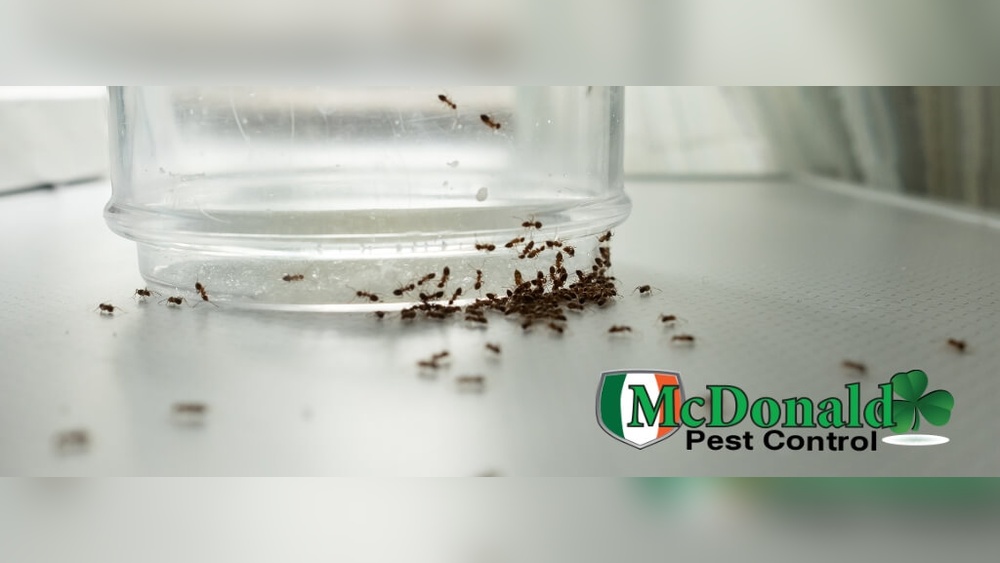
Have you noticed very tiny ants crawling around your kitchen sink? It can be frustrating and even a bit worrying to see these little invaders in a place where you prepare your food.
You might wonder where they come from, why they choose your sink, and most importantly, how to get rid of them fast. You’ll discover simple and effective ways to stop these tiny ants from taking over your kitchen. Keep reading—you’ll learn what attracts them, how to prevent them, and quick tips to protect your home today.
Contents
Common Tiny Ant Types
Very tiny ants around the kitchen sink can be a common nuisance. These ants come in different types, each with unique features and habits. Knowing the common tiny ant types helps you identify and control them effectively. This section covers how to spot these ants and understand their behavior.
Identifying Kitchen Ants
Kitchen ants are usually small, measuring 1/16 to 1/8 inch. They can be black, brown, or red in color. Some types have a shiny body, while others look dull. The most common tiny ants include odorous house ants and pharaoh ants. Odorous house ants give off a sweet smell when crushed. Pharaoh ants are light yellow to red and build nests indoors. Spotting these traits helps in proper identification.
Behavior And Habits
Tiny ants near the kitchen sink search for food and water. They often travel in trails from their nest to food sources. These ants prefer sugary or greasy foods. They enter homes through small cracks or gaps. Most ants are active during the day, but some come out at night. Understanding their habits can guide effective cleaning and prevention.
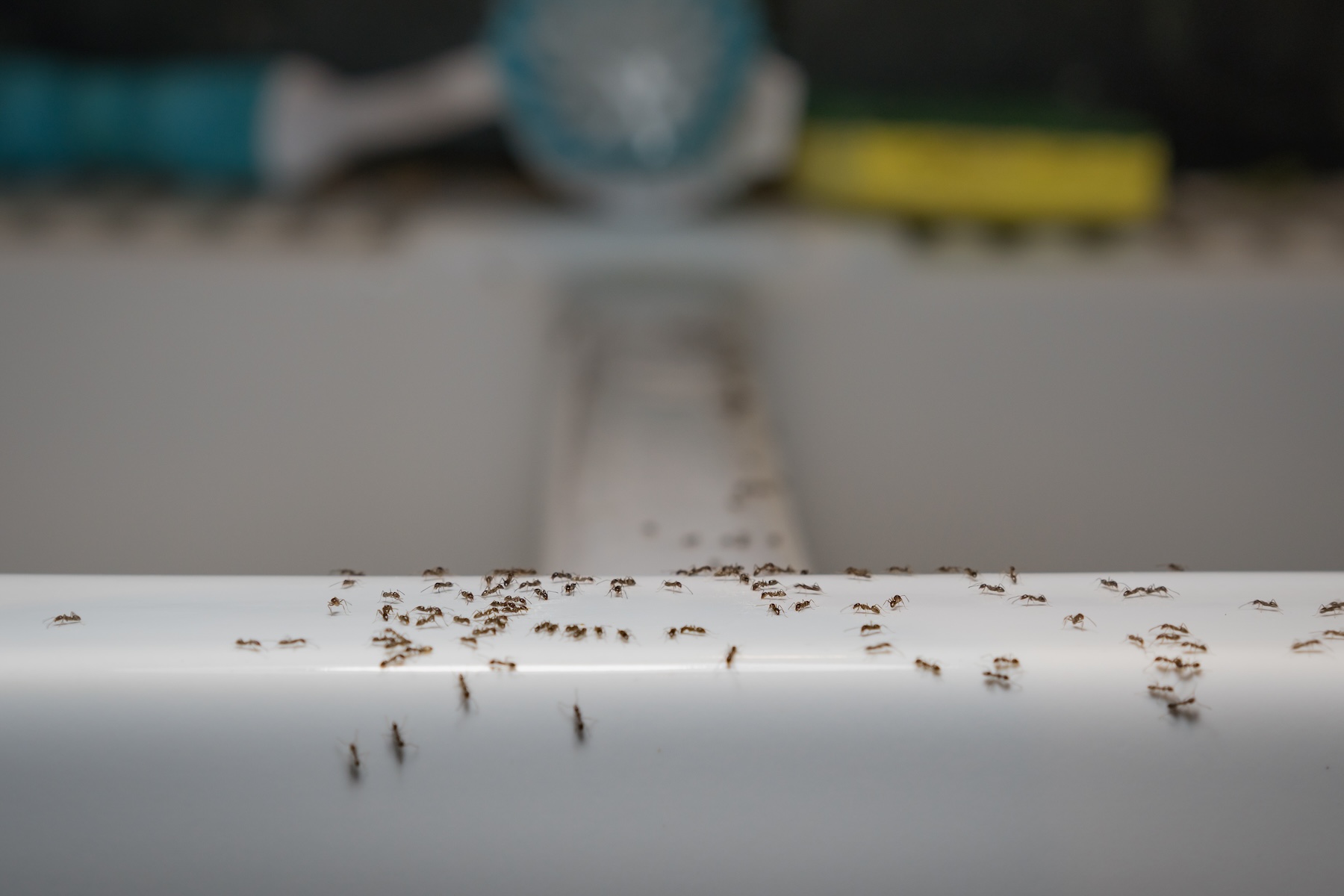
Credit: seacoastturfcare.com
Why Ants Invade Kitchen Sinks
Very tiny ants often invade kitchen sinks because they find food and water there. These ants search for places where they can eat crumbs or drink water. Kitchens offer many small bits of food and moisture that attract them. Understanding why ants come helps to stop them effectively.
Attractants Near Sinks
Sinks often have leftover food particles from washing dishes. Crumbs, grease, and sticky spills attract ants quickly. Water droplets and moisture also draw ants because they need water to survive. Even small amounts of food or water can cause an ant problem.
Ants smell tiny food bits and follow the scent trails. Dirty dishes and unclean sink areas invite ants. Standing water in the sink or nearby pipes gives ants a good water source. Keeping the sink clean reduces attractants and helps prevent ants.
Entry Points To Watch
Ants enter kitchens through tiny cracks and gaps near the sink. Spaces around pipes and drains are common entry points. Small holes in walls or cabinets allow ants to come inside. These entry points are often hidden and easy to miss.
Sealing cracks and gaps near the sink stops ants from entering. Check under the sink and around plumbing regularly. Fix leaks and drips that create moist areas. Blocking entry points is key to keeping ants away.
Quick Cleaning Hacks
Very tiny ants often gather around the kitchen sink. They seek food and moisture. Quick cleaning helps stop ants from coming back. A clean sink removes their favorite spots. Follow easy steps to keep your sink spotless and ant-free.
Effective Sink Cleaning
Start by clearing the sink of dishes and debris. Use warm water and mild soap for washing. Scrub all areas, including the drain and faucet base. Ants hide in tiny cracks and wet spots. Rinse thoroughly to remove all soap residue. Dry the sink with a clean cloth to keep it dry. A dry sink discourages ants from staying.
Removing Food Residues
Food crumbs attract ants quickly. Wipe down counters and sink edges daily. Use a sponge or cloth dampened with vinegar or lemon juice. These natural cleaners break down food particles well. Pay close attention to corners and crevices. Clean any food spills immediately. Keep trash bins sealed and emptied often. This reduces ant attraction around the sink area.

Credit: www.catseyepest.com
Natural Remedies To Repel Ants
Very tiny ants around the kitchen sink can be annoying. They come inside searching for food and water. Using natural remedies to repel ants can help keep them away without chemicals. These remedies are safe and easy to make at home. They also do not harm your family or pets. Here are some simple and effective natural solutions to stop ants from invading your kitchen.
Vinegar Solutions
Vinegar is a strong natural repellent for ants. Mix equal parts of water and white vinegar in a spray bottle. Spray the solution around the sink, countertops, and any ant trails. The smell confuses ants and stops them from coming back. Wipe the area with a cloth after spraying to remove the scent trails ants follow. Repeat daily for best results.
Essential Oils
Essential oils like peppermint, tea tree, and lemon work well against ants. Add 10 to 15 drops of oil to a cup of water. Shake the mixture and spray it near the sink and entry points. Ants dislike the strong smell and avoid these areas. You can also soak cotton balls with oils and place them in corners. Refresh the cotton balls every few days.
Herbal Barriers
Herbs such as basil, mint, and bay leaves can block ants naturally. Crush fresh leaves and spread them around the sink and cabinets. Ants do not like crossing these herbal barriers. Dry herbs can work too if fresh ones are not available. Replace the herbs every week to keep the smell strong. These plants also add a fresh scent to your kitchen.
Diy Ant Traps
Very tiny ants around your kitchen sink can be a real nuisance. DIY ant traps offer an easy way to control these pests. You can make traps at home using simple ingredients. These traps attract ants and help reduce their numbers. They are safe and cost-effective for everyday use.
Sugar And Borax Mix
To make it, mix three parts sugar with one part borax. Add some water to form a thick paste. Place small drops near the ant trails around the sink. Ants carry the mixture back to their nest. This method helps reduce the ant population quickly. Keep it away from pets and children.
Commercial Trap Alternatives
Commercial traps offer another option for ant control. These traps come ready to use with bait inside. Many use sweet or protein baits that ants like. Place them near the sink or where ants appear. These traps are sealed to prevent mess and are easy to use. They slowly kill ants and stop new ones from coming. Always follow the instructions on the package for the best results.
Preventing Future Infestations
Preventing future infestations of very tiny ants around your kitchen sink is key to keeping your home clean and comfortable. These ants come inside searching for food and water. Stopping them early helps avoid bigger problems later.
Sealing Entry Points
Check for cracks and gaps near the sink and walls. Use caulk or sealant to close any openings ants might use. Pay special attention to areas around pipes and cabinets. This simple step blocks their path into your kitchen.
Maintaining Dry Areas
Ants need water to survive. Wipe up spills and dry the sink area after use. Fix any leaks in pipes or faucets quickly. Keeping the kitchen dry makes it less inviting for ants to stay.
When To Call Professionals
Very tiny ants near the kitchen sink can be annoying. Sometimes, small measures work well to control them. Other times, their numbers grow too large. Then, it is best to call professionals. Knowing when to seek expert help can save your kitchen and peace of mind.
Signs Of Severe Infestation
Look for large groups of ants moving in and out. Ants appear even after cleaning the area. You may find multiple trails along walls or pipes. Food stored in sealed containers still attracts ants. Seeing ants inside cupboards or drawers is a warning. These signs show the problem is bigger than simple cleanup.
Choosing Pest Control Services
Pick a service with good local reviews. Check if they use safe, child-friendly treatments. Ask about their experience with ant infestations. Confirm if they offer follow-up visits. A professional team can find hidden nests fast. They use tools and methods not available to homeowners. This ensures ants are removed completely and safely.

Credit: todayshomeowner.com
Frequently Asked Questions
What Attracts Very Tiny Ants Around The Kitchen Sink?
Tiny ants are drawn to moisture and food crumbs near sinks. Leaky pipes and leftover food provide ideal conditions for them to thrive. Keeping the area clean and dry helps prevent their presence.
How Can I Identify Very Tiny Ants In My Kitchen?
Very tiny ants are usually less than 1/8 inch long and have slender bodies. They often appear black, brown, or reddish. Observing their size and behavior near food and water sources helps identify them.
Are Tiny Ants Near The Sink Harmful To Health?
Most tiny ants near sinks are not harmful but can contaminate food. Their presence indicates moisture issues, which may lead to mold or bacterial growth. Proper cleaning and sealing of entry points reduces health risks.
What Is The Best Way To Get Rid Of Tiny Ants?
Clean the kitchen thoroughly, focusing on sink areas. Fix leaks and remove food sources. Use natural repellents or ant baits for effective control. Regular maintenance prevents re-infestation.
Conclusion
Tiny ants around your kitchen sink need quick attention. Clean the area often to stop them from staying. Fix leaks and remove food crumbs to block their path. Use natural remedies or safe baits to control ants. Keep your kitchen dry and tidy every day.
Small steps make a big difference in keeping ants away. Stay patient and consistent with these simple actions. Your kitchen will become ant-free and more comfortable soon.