
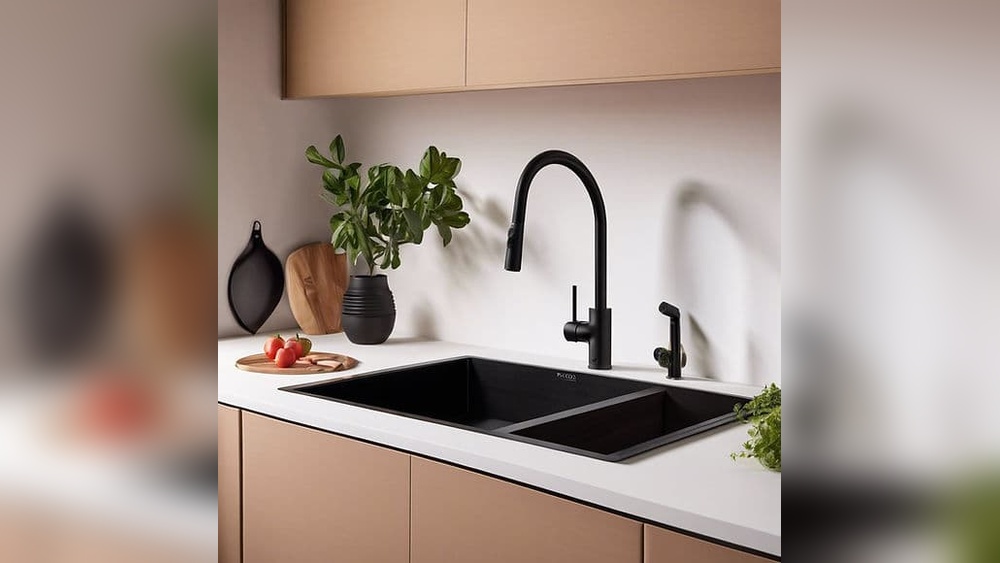
Are you thinking about installing a black kitchen sink? It looks sleek and modern, but before you make your decision, it’s important to know the downsides.
A black sink might seem like the perfect choice, but it can bring some unexpected challenges to your daily routine. You’ll discover the key disadvantages of a black kitchen sink so you can decide if it truly fits your kitchen and lifestyle.
Keep reading to avoid surprises and make the best choice for your home.
Contents
Color Fading And Stains
Black kitchen sinks add style and contrast to many kitchens. They look modern and sleek. Still, they can show signs of wear over time. Color fading and stains are common problems. These issues affect the sink’s appearance and durability.
Understanding these drawbacks helps you decide if a black sink suits your kitchen needs. Let’s explore how sunlight and stains impact black kitchen sinks.
Effects Of Sunlight Exposure
Sunlight can cause black sinks to fade. Prolonged exposure to UV rays breaks down the color. This leads to a dull and uneven finish. The black may turn gray or lighter in some spots. Over time, the sink loses its original deep black tone.
Sunlight often hits sinks near windows or open spaces. This exposure speeds up fading. Protecting your sink from direct sunlight helps keep its color longer. Using curtains or blinds can reduce fading effects.
Common Staining Issues
Black sinks show water spots and soap stains more clearly. Hard water leaves white marks that contrast with black. These stains need regular cleaning to prevent buildup. Some foods and liquids, like coffee or tomato sauce, can leave dark stains. These stains can be hard to remove from black surfaces.
Using harsh cleaners can damage the sink’s finish. Mild cleaning products work best to keep the sink spotless. Regular wiping prevents stains from setting in. This keeps the sink looking fresh and new.

Credit: clairedouglasstyling.co.uk
Visible Water Spots And Scratches
Black kitchen sinks look stylish and modern. Yet, they often show water spots and scratches more clearly. These marks can make the sink look old and less clean. Understanding why this happens helps in deciding if a black sink fits your kitchen.
Why Water Spots Show Up More
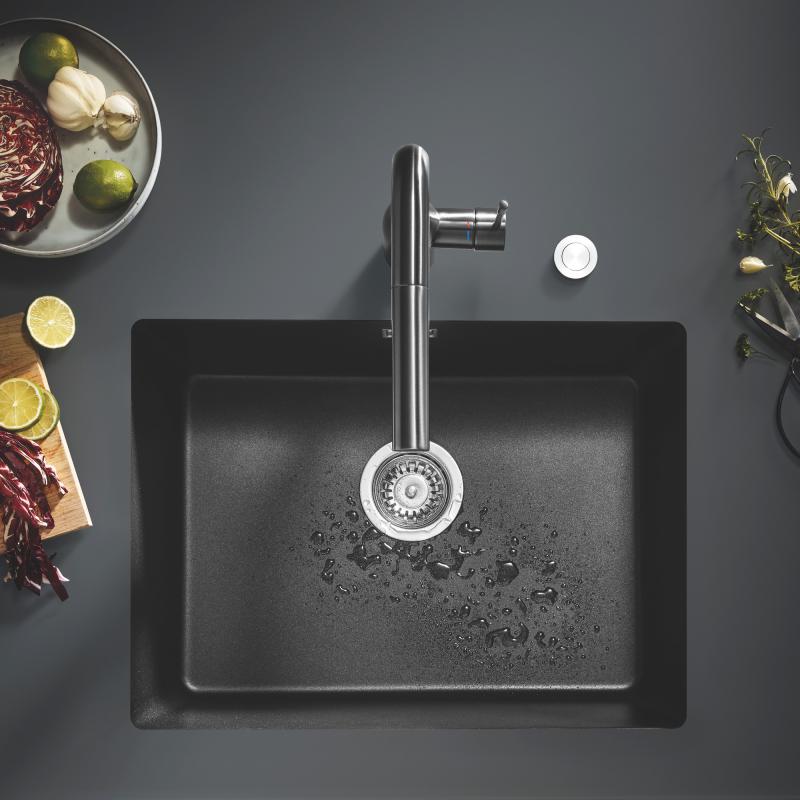
Water spots stand out on black surfaces due to high contrast. Light-colored minerals in water leave white spots. These spots are easy to see against the dark background. Frequent wiping is needed to keep the sink spotless. Hard water areas face more visible spotting on black sinks.
Scratch Vulnerability
Black sinks tend to reveal scratches quickly. Scratches expose lighter material beneath the surface. These marks look more obvious on dark colors. Using harsh scrubbing pads can increase scratches. Gentle cleaning tools help reduce scratch risks on black sinks.
Maintenance Challenges
Black kitchen sinks look stylish but need careful care. Their dark color can show water spots and stains easily. Keeping them clean and looking new takes effort and the right approach.
Cleaning Products To Avoid
Avoid harsh cleaners on black sinks. Strong chemicals can damage the surface or dull its color. Stay away from bleach, ammonia, and abrasive powders. These can cause scratches and discoloration. Use gentle, non-abrasive cleaners made for delicate surfaces.
Time-consuming Upkeep
Black sinks need regular cleaning to prevent spots and buildup. Wiping the sink after use reduces water marks. You may need extra time to polish and maintain its shine. Skipping maintenance can make the sink look old and worn faster.
Credit: www.lettalondon.com
Compatibility With Kitchen Design
Choosing a black kitchen sink affects the overall look of your kitchen. It may not fit every style or color scheme easily. This can limit your design choices and make it hard to create a balanced space.
Matching Countertops And Fixtures
Black sinks need careful pairing with countertops. Light-colored countertops can create a strong contrast. Dark countertops may blend too much with the sink. Fixtures like faucets and handles also need to match. Chrome or stainless steel may clash with the black tone. This can make your kitchen look less coordinated.
Impact On Kitchen Lighting
Black sinks absorb light instead of reflecting it. This can make the sink area seem darker. Kitchens with little natural light may feel gloomier. Extra lighting may be needed around the sink. This increases costs and can complicate the design. Bright kitchens suit black sinks better than dim spaces.
Cost Considerations
Choosing a black kitchen sink involves more than style. Cost plays a big role in your decision. Black sinks often come with higher price tags. Understanding these costs helps you plan better and avoid surprises.
Higher Initial Investment
Black kitchen sinks usually cost more than traditional sinks. Their unique materials and finishes add to the price. Many black sinks use granite composite or special coatings. These materials cost extra to produce and install. This means you pay more upfront for a black sink. Budgeting for this higher initial cost is important.
Repair And Replacement Expenses
Repairing a black kitchen sink can be costly. Matching the exact color and finish is tricky. Scratches and chips are harder to fix without noticeable marks. Replacement parts for black sinks may also be expensive. These factors increase the long-term costs of owning one. Plan for higher repair and replacement expenses with black sinks.

Credit: www.amazon.com
Frequently Asked Questions
Why Do Black Kitchen Sinks Show Water Spots?
Black kitchen sinks often highlight water spots and soap residue. This requires frequent cleaning to maintain a spotless look. Hard water can worsen this issue, making maintenance more demanding compared to lighter sinks.
Are Black Sinks Prone To Scratches And Damage?
Yes, black sinks can reveal scratches and chips more easily. This is due to the contrast between the dark surface and underlying material. Careful handling and proper cleaning help reduce visible damage over time.
Do Black Kitchen Sinks Affect Kitchen Lighting?
Black sinks absorb more light, potentially darkening the kitchen area. This can make small or poorly lit kitchens feel dimmer. Additional lighting or lighter decor can balance the visual effect.
Is Cleaning A Black Sink More Difficult Than Others?
Cleaning black sinks requires specific products to avoid streaks and dullness. Harsh cleaners can damage the finish, so gentle, non-abrasive cleaners are recommended. Regular wiping helps maintain their sleek appearance.
Conclusion
Black kitchen sinks can add style but come with some downsides. They show water spots and stains easily. Scratches and chips may appear more clearly. Cleaning requires special care and specific products. Over time, the color might fade if exposed to sunlight.
Some materials can be more expensive than others. Consider these points before choosing a black sink. Think about your daily use and cleaning habits. Choose what fits best with your kitchen lifestyle.