
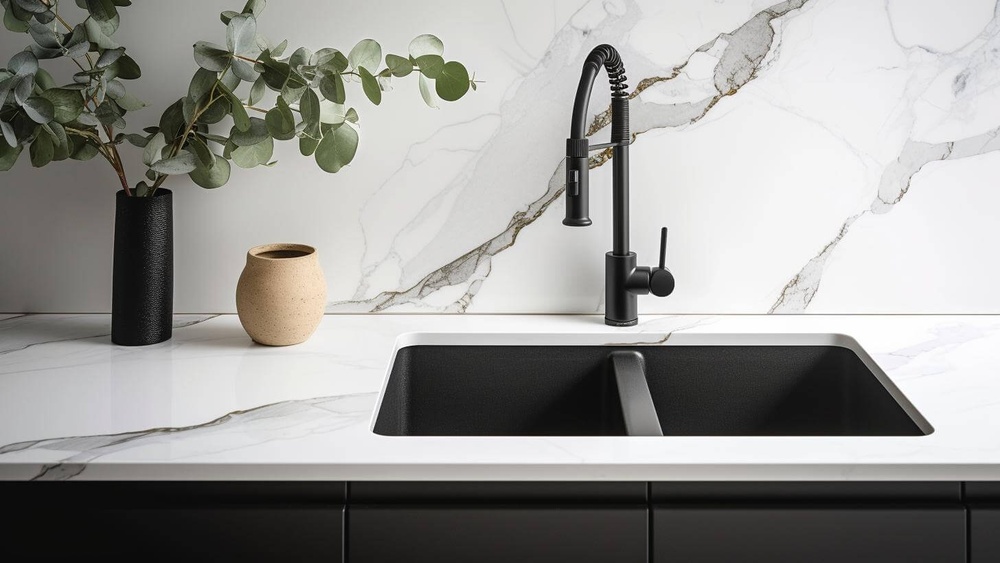
When choosing a kitchen sink, you want something that looks great and works well. Undermount kitchen sinks are popular for their sleek design and easy countertop cleaning.
But before you decide, it’s important to know the downsides that might affect your daily kitchen use. What if your beautiful sink ends up causing more hassle than help? You’ll discover the hidden disadvantages of undermount sinks. What are the disadvantages of undermount kitchen sink? so you can make the smartest choice for your kitchen.
Keep reading to avoid surprises and find out if this sink style is really right for you.
Credit: allorausa.com
Contents
Installation Challenges
Installing an undermount kitchen sink is not as simple as other types. It needs careful planning and skill. Many homeowners find the installation tricky and time-consuming. The sink must fit precisely under the countertop. Any mistake can cause leaks or damage.
Complex Mounting Process
The mounting of an undermount sink is complex. It requires exact alignment with the countertop. The sink must be securely attached to support its weight. This process often needs special clips and strong adhesives. The countertop edges must be smooth and even. Otherwise, the sink may not seal properly. A wrong step can ruin the sink or countertop.
Need For Professional Help
Installing an undermount sink usually requires professional help. Experts have the right tools and skills. They know how to handle the mounting safely. A professional can avoid damage to the sink and countertop. They also ensure the plumbing fits well. DIY attempts often lead to costly mistakes. Hiring a professional ensures a long-lasting installation.
Higher Cost Factors
Choosing an undermount kitchen sink means facing higher costs. These costs come from both materials and installation. Understanding these factors helps you plan your budget better.
Expensive Materials And Accessories
Undermount sinks need strong, durable materials. This adds to their price. The sink edges must be smooth and finished well. Special clips and seals keep the sink tight under the countertop. These extra parts cost more than those for top-mount sinks.
Increased Labor Expenses
Installing an undermount sink is tricky. It requires skilled labor to fit it correctly. Workers must cut the countertop perfectly to avoid damage. The sealing process takes extra time to prevent leaks. This careful work raises the installation cost.
Maintenance Difficulties
Undermount kitchen sinks look sleek and modern, but they come with some maintenance challenges. Keeping them clean and in good shape takes more effort than other sink types. Dirt and grime can build up in hidden spots, making cleaning harder. Moisture problems may also cause damage over time. Understanding these issues helps in caring for your undermount sink better.
Seam And Edge Cleaning Issues
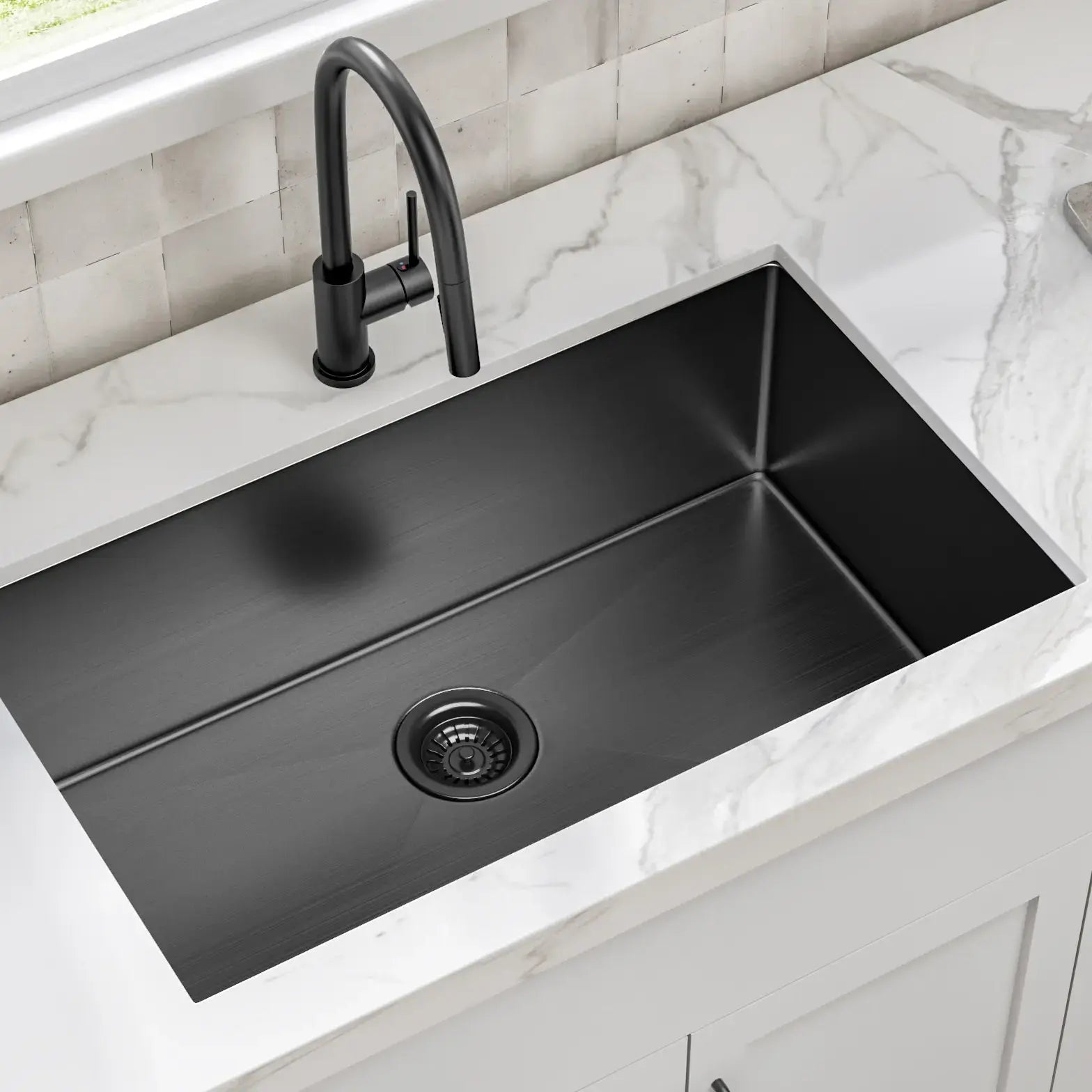
The seam between the sink and countertop is hard to reach. Food particles and dirt often get stuck there. Regular wiping is not enough to keep it clean. You need special brushes or tools to scrub these tight spaces. If neglected, mold and mildew may grow in the seam. This can cause bad smells and damage to both sink and counter.
Susceptibility To Water Damage
Water can seep into the area where the sink meets the countertop. This causes the countertop material to weaken or swell. Wooden countertops are especially at risk. Over time, water damage can ruin your kitchen surface. Sealing the edges properly is essential but requires frequent checks. Without care, leaks and stains become common problems.
Limited Compatibility
Undermount kitchen sinks offer a sleek look, but their use is not without limits. One major drawback is limited compatibility with various kitchen setups. This means not every countertop or kitchen design works well with an undermount sink.
Not Suitable For All Countertops
Undermount sinks need strong, thick countertops. Materials like granite, quartz, or solid surface work best. Thin or fragile countertops such as laminate or tile often cannot support the sink’s weight. This limits choices for homeowners with these types of countertops. Installing an undermount sink on the wrong surface can cause damage or leaks.
Size And Shape Restrictions
Undermount sinks come in specific sizes and shapes. They require precise fitting under the countertop edge. Some unique or custom countertop designs may not match the sink’s dimensions. This limits flexibility in kitchen design. Certain large or deep sinks are difficult to install as undermount due to support needs.
Potential Durability Concerns
Undermount kitchen sinks look sleek and modern. Yet, they have some durability concerns. These issues can affect the sink and the countertop over time. Understanding these problems helps in making a smart choice.
Risk Of Sink Detachment
Undermount sinks attach below the countertop surface. This setup relies on strong adhesive and clips. Over time, water and weight may weaken the bond. If the sink detaches, it can cause leaks and damage. Proper installation reduces risk but does not eliminate it completely.
Wear And Tear On Countertop Edges
The edges of the countertop hold the sink in place. These edges face constant exposure to water and cleaning agents. Moisture can cause the countertop material to swell or crack. Regular use may wear down the edges faster than other areas. Choosing durable countertop materials helps reduce this wear.
:max_bytes(150000):strip_icc()/undermount-vs-drop-in-kitchen-sink-1821203-f726447907dd46698cce0470da4c5e26.png)
Credit: www.thespruce.com
Reduced Storage Space
Undermount kitchen sinks look clean and modern. Yet, they often reduce storage space under the sink. This can affect the way you use your kitchen cabinets. It is important to understand these limits before choosing an undermount sink.
Impact On Cabinet Interior
Undermount sinks need a strong frame for support. This frame takes up room inside the cabinet. It reduces the space available for storing cleaning supplies or trash bins. The cabinet interior may feel cramped and less organized. Some cabinets may require custom modifications. These changes add to the overall cost and effort.
Limited Under-sink Accessibility
Plumbing pipes and sink edges limit easy access under the sink. This makes it hard to reach stored items quickly. Bulky items like large bottles or buckets may not fit well. The reduced space also makes maintenance or repairs more difficult. You may need to remove stored items to work on plumbing. This inconvenience can disrupt your kitchen routine.
Credit: www.ruvati.com
Frequently Asked Questions
What Are Common Issues With Undermount Kitchen Sinks?
Undermount sinks often face leaks due to poor sealing. Installation can be complex, requiring professional help. Cleaning edges is harder compared to drop-in sinks. These factors may increase maintenance and repair costs over time.
Why Are Undermount Sinks Harder To Install?
They need precise countertop cutting and strong adhesive bonding. Improper installation can cause water damage and sink detachment. Professional skills and tools are usually necessary, making DIY installation challenging and expensive.
How Does An Undermount Sink Affect Countertop Durability?
Water can seep into the countertop edges if sealing fails. This may cause warping or staining over time. Some countertop materials may not be compatible, risking damage or costly replacements.
Are Undermount Sinks More Expensive Than Other Types?
Yes, undermount sinks generally cost more for materials and installation. The need for professional fitting and special sealing increases overall expenses. Maintenance and repairs can also add to long-term costs.
Conclusion
Undermount kitchen sinks look sleek but bring some challenges. They can be harder to install and may leak if not sealed right. Cleaning around the edges takes more effort. These sinks often cost more than drop-in types. Repairs might need a professional’s help.
Knowing these downsides helps you make a smart choice. Choose the sink that fits your kitchen needs best.