
Choosing the right kitchen sink depth can make a big difference in your daily cooking and cleaning experience. Have you ever wondered if your sink is too shallow or too deep?
Finding the perfect depth isn’t just about looks—it affects how comfortable and efficient your kitchen feels. You’ll discover what depth works best for your needs, helping you avoid common mistakes and enjoy a smoother kitchen routine. Keep reading, and you’ll learn exactly how to pick a sink that fits your space and lifestyle perfectly.
Contents
Sink Depth Basics
Understanding the basics of sink depth helps you choose the best kitchen sink. Sink depth affects how much space you have for washing dishes. It also impacts comfort and ease of use. Knowing the right depth makes your kitchen work better.
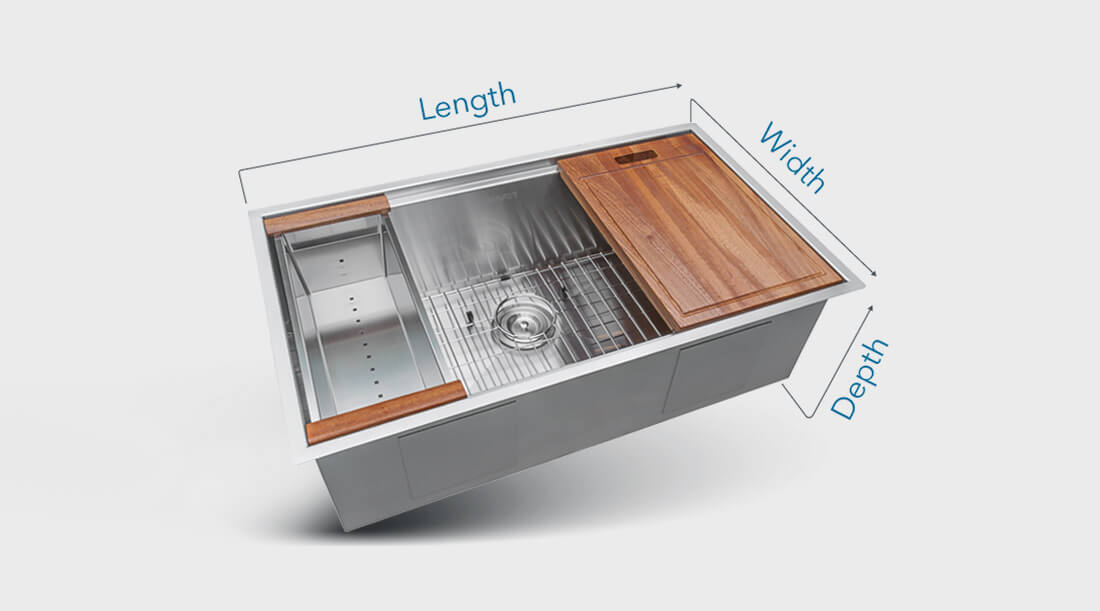
Sink depth is the distance from the top edge to the bottom of the basin. Different sinks have different depths to fit various needs. Here are some basic details about sink depth to guide your choice.
Standard Depth Measurements
Most kitchen sinks have a depth between 7 and 10 inches. A standard depth sink is usually 8 inches deep. This size fits most kitchens and tasks well. Deeper sinks can be 10 inches or more. Shallower sinks might be around 6 to 7 inches.
The depth you choose depends on your kitchen use and space. Standard sizes help with easy installation and matching fixtures.
How Depth Affects Functionality
Deeper sinks hold more water and dishes. They reduce splashing outside the sink. This makes cleaning easier and less messy.
Shallow sinks allow easier reach to the bottom. They are good for small kitchens or less frequent use. But they fill up quickly and may splash more.
Deep sinks may cause strain if you bend too far down. Consider your height and comfort. A good sink depth balances space and ease of use.
Credit: www.ruvati.com
Choosing Depth By Sink Type
Choosing the right sink depth depends on the type of sink you have. Each sink style serves different kitchen needs. Depth affects comfort, space, and usability. Knowing the best depth for your sink type helps in making a smart choice.
Single Bowl Sinks
Single bowl sinks offer a large, open space for washing big pots and pans. A deeper bowl, around 9 to 10 inches, works best. It prevents water from splashing out. This depth also allows more room for washing large items.
Double Bowl Sinks
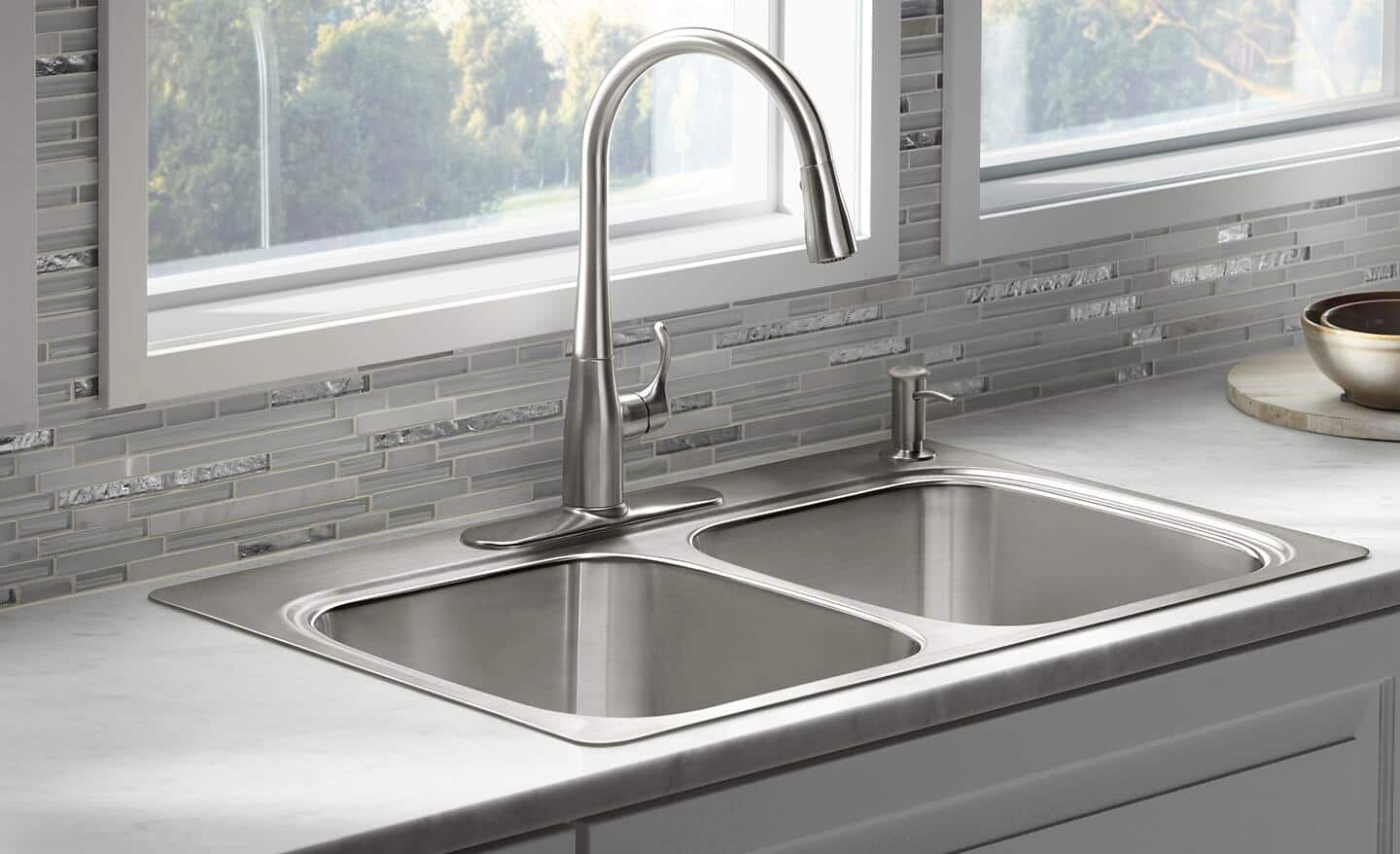
Double bowl sinks divide space into two sections. Each bowl is usually smaller than a single bowl. Depth between 7 and 9 inches is common. This depth balances washing space and counter height. It makes handling dishes easier on your back.
Farmhouse And Apron Front Sinks
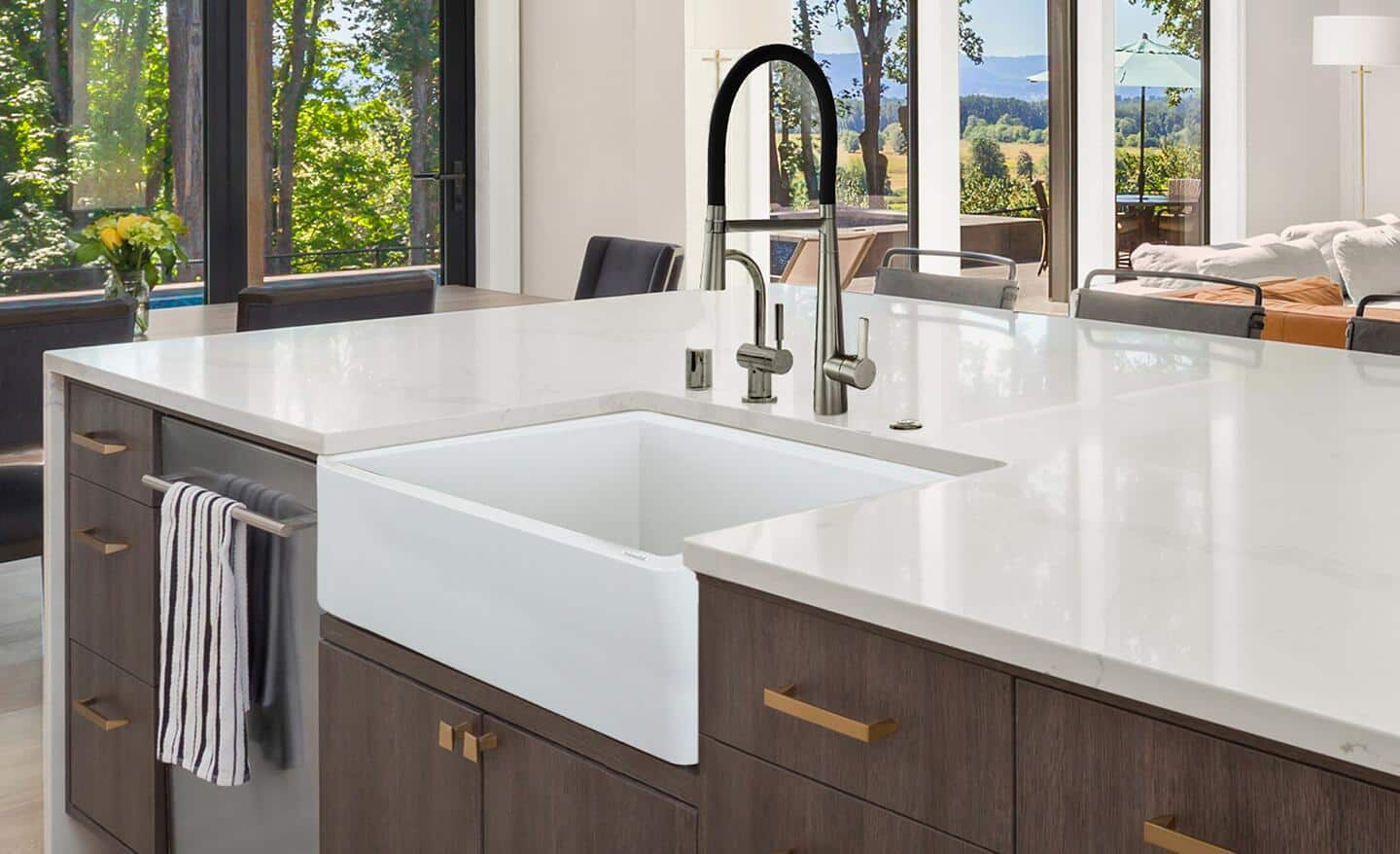
Farmhouse sinks are wide and deep with a front that sticks out. They often need extra depth. A depth of 9 to 10 inches helps hold more water and dishes. This depth supports heavy use and large pots comfortably.
Impact Of Sink Depth On Kitchen Tasks
The depth of a kitchen sink plays a key role in how well it performs daily tasks. It affects everything from cleaning dishes to preparing meals. Choosing the right depth helps make kitchen work easier and more comfortable.
Different kitchen tasks need different sink depths. Some tasks need more space, while others need less. Understanding these needs can help you pick the best sink depth for your kitchen.
Washing Large Pots And Pans
Deep sinks provide more room to wash big pots and pans. They stop water from splashing out. Shallow sinks can make this task harder. A deeper sink lets you clean large items without lifting them too much.
Food Preparation Needs
Sink depth impacts food prep, too. medium-depth sink is good for washing vegetables and fruits. It holds enough water without taking too much space. This makes food prep clean and quick.
Ease Of Cleaning
Cleaning the sink itself is easier with the right depth. Too deep can make it hard to reach the bottom. Too shallow can cause water to splash. A balanced depth helps keep the sink clean with less effort.
Ergonomics And User Comfort
Ergonomics and user comfort are key when choosing the best kitchen sink depth. A sink that fits well with your height and kitchen setup can make daily tasks easier. It helps reduce strain on your body and keeps you comfortable during long cooking or cleaning sessions.
Preventing Back Strain
A sink that is too deep or too shallow can cause back pain. Bending over a deep sink for a long time strains your lower back. A shallow sink may force you to hunch forward, which also hurts your back. Choosing the right depth helps you stand straight and avoid discomfort.
Ideal Sink Height And Depth Combination
The sink depth should match your countertop height. Most countertops are about 36 inches tall. For this height, a sink depth of 8 to 10 inches works best. This depth allows easy access without bending too much. Adjust the sink depth if your countertop height is different to keep comfort high.
Material And Depth Considerations
Choosing the right material and depth for your kitchen sink affects its function and style. Different materials handle depth in unique ways. This choice impacts durability, cleaning, and comfort during use.
Sink depth depends on what you wash and how you use the sink. Some materials work better with deeper basins. Others suit shallow models that fit small kitchens.
Stainless Steel Sinks
Stainless steel sinks are popular for their strength and easy cleaning. They often come in depths from 7 to 10 inches. Deeper models hold more dishes and pots.
Steel sinks resist stains and heat well. Thin steel can cause noise, but thicker gauges reduce sound. Depth also affects how loud the sink feels when used.
Choose a depth that balances space and comfort. Too deep may strain your back. Too shallow may splash water outside the sink.
Composite And Ceramic Sinks
Composite sinks mix materials like granite or quartz. They offer high durability and a solid feel. Composite sinks usually range from 8 to 10 inches deep.
Ceramic sinks have a classic look and a smooth surface. They often have shallower depths, around 6 to 8 inches. Too deep can make ceramic sinks heavy and fragile.
These materials handle heat and stains well. Their depth affects cleaning ease and water splash. Pick a depth that fits your kitchen size and tasks.
Credit: www.homedepot.com
Installation Tips For Deep Sinks
Installing a deep kitchen sink requires careful planning. It is not just about the sink itself. The space around and under the sink matters a lot. Proper installation helps avoid problems later. This guide covers key tips for installing deep sinks correctly.
Focus on the cabinet size and plumbing setup. Both affect how well your sink fits and works.
Cabinet Size And Sink Depth
Check your cabinet size before choosing a deep sink. The cabinet must be tall and wide enough. Deep sinks need more space below the countertop. Measure the inside cabinet height from the bottom to the countertop. Also, consider the width and depth inside the cabinet. A sink too deep can hit the cabinet bottom or pipes. Choose a sink depth that fits comfortably in your cabinet. Leave extra space for cleaning and storage.
Plumbing Adjustments
Deep sinks often require plumbing changes. Pipes may need to be moved or shortened. The drain must fit at the right height. Check water supply lines to ensure they clear the sink basin. Installing new plumbing parts may help avoid leaks and blockages. Use flexible hoses for easier adjustments. Test the plumbing after installation. Fix any leaks right away to prevent water damage.
Common Depth Mistakes To Avoid
Choosing the right depth for a kitchen sink is important for comfort and function. Many people make mistakes that cause problems later. These errors can waste space or make the sink hard to use. Avoiding common depth mistakes helps create a better kitchen setup.
Too Shallow Sinks Limit Usability
Sinks that are too shallow fill up quickly. Washing large pots or pans becomes difficult. Water splashes out easily, making the countertop wet. A shallow sink also means less room for dishes.
Too Deep Sinks Cause Discomfort
Very deep sinks force you to bend more. This puts strain on your back and shoulders. Long dishwashing sessions become tiring. Deep sinks may also be harder for children or shorter people to use.
Ignoring Cabinet Size Restricts Options
Sink depth must fit inside the cabinet below. Picking a sink deeper than the cabinet wastes space. Pipes and garbage disposals may not fit properly. Measure carefully before choosing sink depth.
Overlooking the Faucet Reach Leads To Splashing
The faucet must reach the center of the sink bowl. If it does not, water splashes outside the sink. A deep sink with a short faucet causes this problem. Match faucet size with sink depth for best results.
Not Considering Countertop Height Affects Comfort
Sink depth and countertop height work together. A deep sink with a low countertop feels awkward. Washing dishes can hurt your back. Choose sink depth based on your countertop height.
Credit: www.homedepot.com
Expert Recommendations
Experts suggest the best kitchen sink depth depends on your space and daily use. Choosing the right depth helps with comfort and efficiency. It also affects water splashes and cleaning ease. Knowing expert tips can guide you to pick the sink that fits your kitchen perfectly.
Balancing Depth And Kitchen Space
Too deep sinks can make your kitchen look smaller. Shallow sinks save space but might cause water splashes. Experts recommend a sink depth between 8 and 10 inches for most kitchens. This size fits well under most countertops and cabinets. It also keeps your kitchen open and easy to clean.
Customizing Depth For Personal Needs
Your daily kitchen tasks matter. Washing big pots needs a deeper sink, around 10 to 12 inches. For light use, like washing small dishes, a shallower sink works. Some people prefer custom depths to match their height and comfort. Experts advise measuring your kitchen habits before choosing depth.
Frequently Asked Questions
What Is The Ideal Kitchen Sink Depth?
The ideal kitchen sink depth ranges from 8 to 10 inches. This depth balances comfort and functionality for most kitchen tasks. It allows easy washing of dishes and large pots without splashing water outside the sink.
How Does Sink Depth Affect Kitchen Usability?
Sink depth impacts comfort and water splash control. Deeper sinks hold more water and reduce splashing, but may strain your back. Shallower sinks are easier to reach but may overflow quickly during heavy use.
Should Kitchen Sink Depth Vary By Sink Type?
Yes, sink depth varies by type. Single-bowl sinks often need deeper basins for large pots. Double-bowl sinks can be shallower since tasks are divided. Choose depth based on your cooking habits and kitchen layout.
Can Sink Depth Impact Kitchen Aesthetics?
Sink depth can influence kitchen aesthetics. Deeper sinks offer a sleek, modern look but may appear bulky. Shallower sinks create a minimalist feel and blend well with countertop styles. Balance depth with overall kitchen design for best results.
Conclusion
Choosing the right kitchen sink depth matters for daily tasks. A sink that is too shallow can cause splashes and limit washing space. Too deep, and it may strain your back or make cleaning hard. Aim for a depth that fits your kitchen size and how you use it.
Most people find 8 to 10 inches comfortable and practical. This range balances space and ease of use well. Think about your needs and kitchen design before deciding. The best depth makes cooking and cleaning easier every day.