
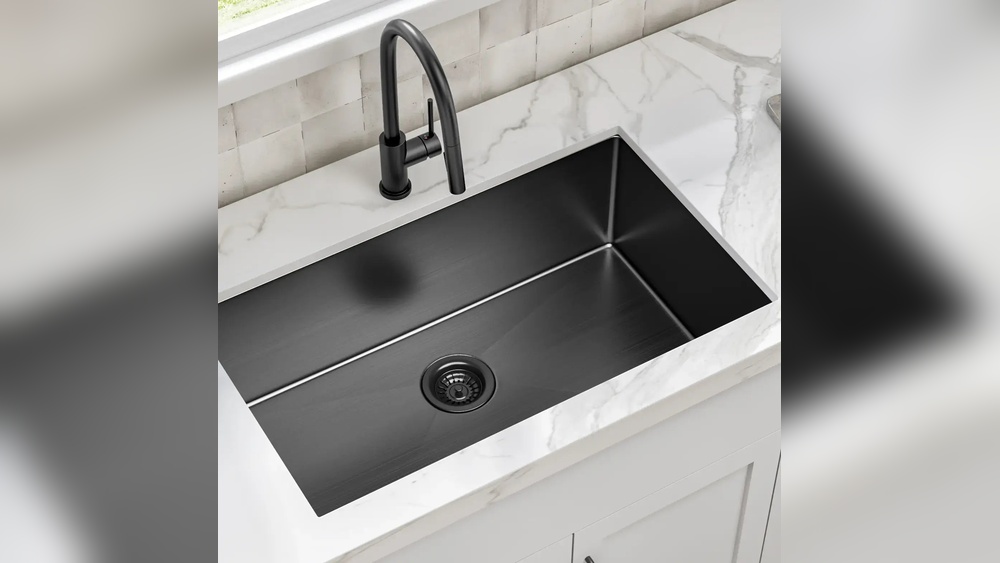
Choosing the right material for your kitchen sink might seem simple, but it can change how your kitchen looks and works every day. You want something that lasts, looks good, and fits your lifestyle.
But with so many options out there, how do you know which one is truly the best for you? Keep reading, and you’ll discover the key materials, their pros and cons, and which one matches your needs perfectly. Your perfect kitchen sink is closer than you think.
Credit: vevano.com
Contents
Popular Kitchen Sink Materials
Choosing the right material for a kitchen sink is important for durability and style. Different materials offer unique benefits and suit different kitchen needs. Understanding popular kitchen sink materials helps you pick the best option for your home.
Stainless Steel Sinks
Stainless steel sinks are common in many kitchens. They resist rust and stains well. These sinks handle heat and heavy pots easily. They fit modern and traditional kitchen styles. Noise can be an issue, but soundproofing pads help reduce it.
Cast Iron Sinks
Cast iron sinks have a strong, heavy build. They are coated with enamel for a smooth finish. These sinks resist chips and scratches well. Their glossy look adds charm to classic kitchens. They require sturdy countertops to support their weight.
Composite Granite Sinks
Composite granite sinks mix stone and resin. They offer high durability and scratch resistance. These sinks are heat resistant and easy to clean. They come in many colors for design flexibility. Their matte finish hides water spots effectively.
Fireclay Sinks
Fireclay sinks are made from clay fired at high temperatures. They have a hard, glass-like surface. These sinks resist stains and scratches well. Their bright white finish brightens any kitchen space. They need careful handling to avoid chipping.
Copper Sinks
Copper sinks bring warmth and unique color to kitchens. They have natural antibacterial properties. Their surface develops a patina over time, creating a vintage look. These sinks require regular maintenance to keep their shine. Copper works well in rustic or farmhouse kitchens.
Quartz Sinks
Quartz sinks combine natural quartz with resin. They are strong and scratch-resistant. These sinks resist stains and heat well. Quartz sinks offer smooth and elegant finishes. They suit modern kitchens with a clean design.
Durability And Longevity
Durability and longevity are key factors when choosing a kitchen sink material. A sink must handle daily use without losing its look or function. The best materials stand strong against wear and tear over time. This section explores how different materials resist scratches, dents, corrosion, rust, and heat.
Resistance To Scratches And Dents
Kitchen sinks face constant contact with pots, pans, and utensils. Materials like stainless steel resist dents well but can show scratches. Composite granite sinks handle scratches better and hide marks more effectively. Porcelain and cast-iron sinks can chip or crack if hit hard. Choosing a material with high scratch and dent resistance extends the sink’s life.
Corrosion And Rust Factors
Corrosion and rust damage shorten a sink’s lifespan. Stainless steel sinks resist rust if made from high-quality steel. Lower-grade steel sinks may develop rust spots over time. Composite and granite sinks do not rust or corrode. Porcelain sinks can stain but rarely corrode. Good corrosion resistance keeps the sink looking new for years.
Heat Resistance Levels
Kitchen sinks face hot pots and boiling water often. Stainless steel handles heat well without damage. Composite granite sinks also resist heat but can discolor if exposed to very high temperatures. Porcelain sinks may crack under sudden temperature changes. Cast iron sinks coated with enamel handle heat but can chip. Heat resistance ensures the sink stays safe and strong.
Maintenance And Cleaning
Maintenance and cleaning are key factors when choosing a kitchen sink material. The right material can save time and keep your sink looking new. Some materials clean easily, while others need special care. Knowing these details helps you pick a sink that fits your lifestyle.
Ease Of Cleaning
Stainless steel sinks are simple to clean with soap and water. Porcelain sinks also clean easily but need gentle scrubbing. Granite composite sinks require mild cleaners to avoid damage. Smooth surfaces usually take less effort to wipe down.
Stain Resistance
Granite and quartz sinks resist stains better than other materials. Stainless steel can show water spots but rarely stains. Porcelain can stain if left dirty for long time. Choosing a stain-resistant sink helps keep it bright and fresh.
Special Care Requirements
Cast iron sinks need regular sealing to protect the finish. Copper sinks develop a natural patina and require polishing. Stainless steel sinks avoid harsh cleaners that scratch the surface. Each material has unique needs to stay in top shape.
Aesthetic Appeal And Style
The kitchen sink is a key part of the kitchen’s look. It can change the room’s style and feel. The right sink material adds beauty and fits the kitchen’s design. Choosing the best material helps create a clean, attractive space. Style and appearance matter as much as durability and function.
Color Options
Kitchen sinks come in many colors. Stainless steel offers a sleek, silver look. Porcelain sinks bring a classic white or cream color. Granite composite sinks provide darker, earthy tones. Color choice affects the kitchen’s mood. A bright sink can brighten the room. Dark colors add depth and contrast. Matching sink color with cabinets or walls creates harmony.
Finish Types
Sink finishes change the surface’s look and feel. Matte finishes give a soft, smooth touch. Glossy finishes reflect light and look shiny. Brushed finishes hide scratches and water spots well. Each finish type suits different kitchen styles. Matte works well in modern kitchens. Glossy fits traditional or vintage designs. Brushed finishes blend with stainless steel appliances.
Compatibility With Kitchen Design
The sink material must fit the kitchen’s style. Stainless steel suits modern and industrial kitchens. Porcelain fits country or farmhouse designs. Granite composite blends with natural or rustic themes. The sink should match the countertops and fixtures. Consistent style creates a balanced look. The wrong sink material can disrupt the kitchen’s flow. Choose a sink that blends and enhances the space.
Cost Considerations
Choosing the best material for a kitchen sink involves thinking about costs. The price affects your budget and your satisfaction with the sink. Understanding different cost parts helps you make a smart choice.
Initial Purchase Price
Some sink materials cost more than others. Stainless steel sinks often have a lower price. Granite or quartz sinks usually cost more. Porcelain sinks fall in the middle. The price depends on size and brand, too.
Installation Expenses
Installation costs vary by material and sink style. Heavy materials like cast iron may need extra support. This adds to labor costs. Simple stainless steel sinks are easier to install. Some sinks need special tools or fittings.
Long-term Value
Think about how long the sink lasts. Durable materials save money over time. Stainless steel resists rust and dents well. Granite sinks resist stains and scratches. Porcelain can chip but looks classic. Maintenance costs also affect value.
Credit: vevano.com
Environmental Impact
Choosing the best kitchen sink material involves more than looks and durability. The environmental impact plays a big role. This section explores how different materials affect the planet. It helps you pick a sink that supports a greener home.
Sustainability Of Materials
Some sink materials come from natural resources that renew quickly. Wood and bamboo sinks are examples. They grow back fast, making them eco-friendly choices. Metals like stainless steel also last long. This reduces the need for new materials often.
Recyclability
Recycling lowers waste and saves energy. Stainless steel sinks can be fully recycled. This helps reduce landfill trash. Composite sinks may be harder to recycle. Choosing recyclable materials helps the environment stay clean.
Eco-friendly Manufacturing
How a sink is made matters. Some factories use less water and energy. They also avoid harmful chemicals. This reduces pollution during production. Look for brands that prioritize green manufacturing methods.
Which Material Suits Your Needs
Choosing the right kitchen sink material depends on your daily needs and kitchen habits. Each material has unique features that fit different lifestyles. Understanding these can help you pick a sink that works best for you.
Consider how often you use the sink, your budget, style preferences, and how much time you want to spend cleaning. These factors guide your choice.
Best For Heavy Use
Stainless steel sinks handle tough kitchen tasks well. They resist dents and stains. These sinks last long with regular use. Perfect for busy kitchens and families.
Best For Budget
Acrylic sinks cost less and still look good. They are lightweight and easy to install. Good for those who want a stylish sink without spending much.
Best For Style
Cast iron sinks offer classic beauty and color choices. They bring elegance to any kitchen. Their glossy finish stands out and adds charm.
Best For Easy Maintenance
Composite granite sinks are simple to clean. They resist scratches and stains well. Great for people who want a sink that stays neat with little effort.
:max_bytes(150000):strip_icc()/GettyImages-1098390260-48e2f81dd4de4c1381af5e811a031e42.jpg)
Credit: www.thespruce.com
Frequently Asked Questions
What Is The Most Durable Kitchen Sink Material?
Stainless steel is the most durable kitchen sink material. It resists stains, heat, and corrosion. It is easy to clean and maintain, making it ideal for busy kitchens.
Which Kitchen Sink Material Is Best For Style?
Granite composite sinks offer excellent style options. They come in various colors and textures. These sinks add a modern, elegant look to your kitchen.
Are Cast Iron Sinks Worth Considering?
Yes, cast iron sinks are highly durable and long-lasting. They have a glossy enamel finish that resists scratches and stains. However, they can be heavy and costly.
How Does Stainless Steel Compare To Other Materials?
Stainless steel sinks are lightweight, affordable, and easy to install. They resist rust and stains better than many alternatives. This makes them a popular, practical choice.
Conclusion
Choosing the best material for your kitchen sink depends on your needs. Durability, style, and budget all matter. Stainless steel suits most kitchens well. Granite offers a strong and stylish option. Porcelain gives a classic, clean look, but can chip.
Consider how much care each material needs. Think about daily use and how it fits your kitchen. The right sink makes cooking and cleaning easier. Pick what feels right for you and your home.