
Are you planning to upgrade your kitchen or install a new sink? Knowing the standard size of a kitchen sink can save you time, money, and a lot of hassle.
Choosing the right sink size isn’t just about fitting it into your countertop—it affects how you cook, clean, and even organize your kitchen. You’ll discover everything you need to know about kitchen sink sizes, so you can make the best choice for your space and lifestyle.
Keep reading to find out what size works best for you and why it matters more than you might think.
Credit: www.jabrasanitary.com
Contents
Common Kitchen Sink Sizes
Kitchen sinks come in many sizes. Choosing the right size helps with daily tasks and fits your kitchen space well.
Understanding common kitchen sink sizes makes it easier to pick the best one. Sizes vary by design and use.
Single Bowl Dimensions
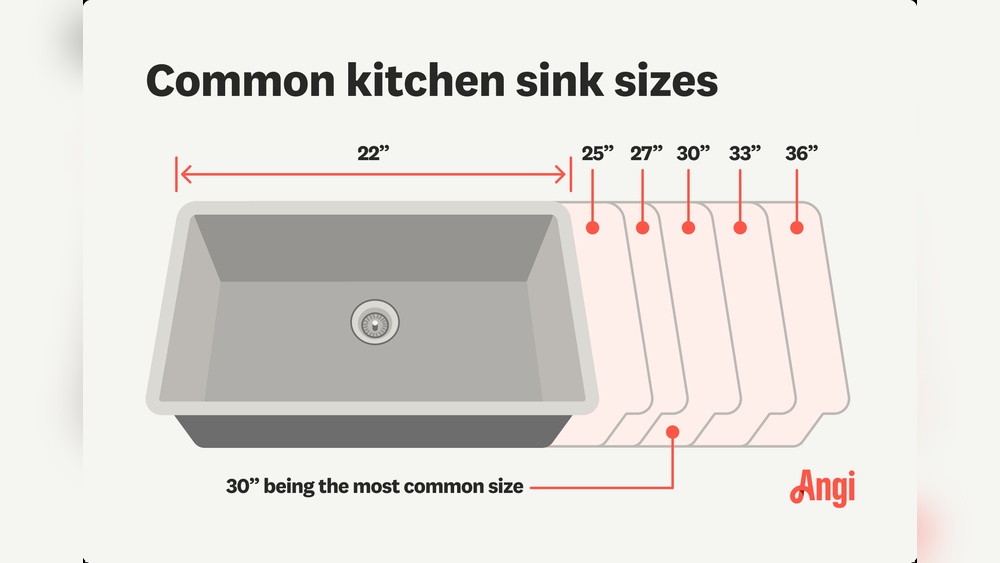
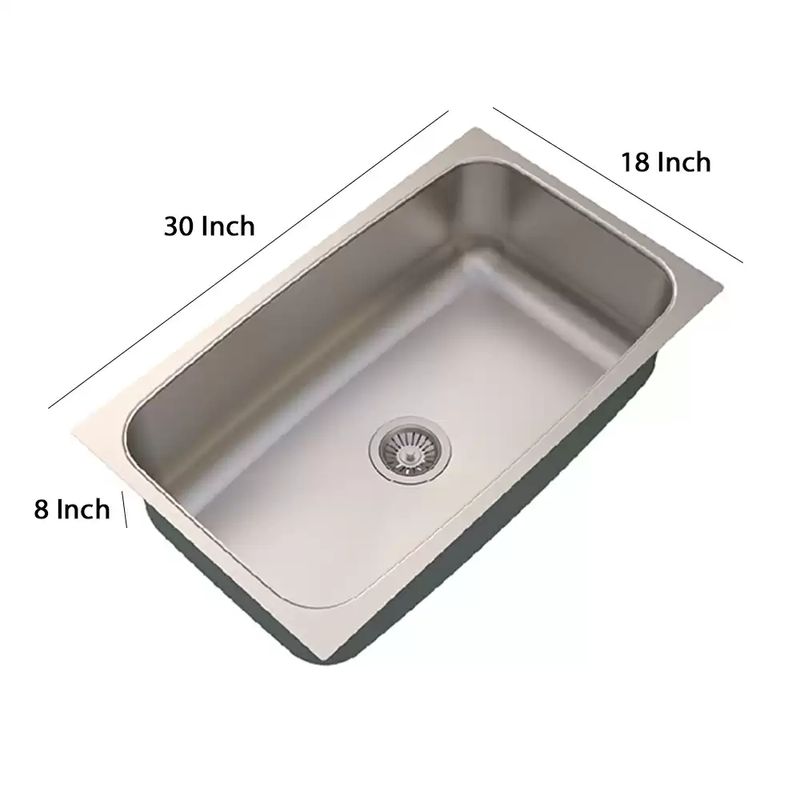
Single bowl sinks usually measure 22 to 33 inches wide. Depths range from 8 to 10 inches. These sinks offer a large, open space.
They fit small to medium kitchens well. A single bowl is good for washing big pots and pans.
Double Bowl Dimensions
Double bowl sinks vary between 33 and 36 inches wide. Each bowl is about 14 to 18 inches wide. Depth is around 8 to 10 inches.
They allow multitasking, like washing dishes in one bowl and rinsing in the other. Double bowls suit busy kitchens.
Farmhouse Sink Sizes
Farmhouse sinks are larger and deeper than standard ones. They usually measure 30 to 36 inches wide and 9 to 10 inches deep.
Their design features an exposed front and a large basin. This style fits kitchens that need a bold, practical sink.
Factors Influencing Sink Size
The size of a kitchen sink depends on many factors. Choosing the right size is important for comfort and function. Consider space, cabinets, and layout. These affect the sink size and shape you can pick.
Knowing these factors helps you select a sink that fits well and works for your needs.
Countertop Space
Countertop space limits sink size. A small countertop means a smaller sink. Large countertops allow bigger or double sinks. Measure your countertop before choosing a sink. Leave space for other kitchen tasks. A sink too big can crowd the countertop. A balanced size keeps your kitchen comfortable.
Cabinet Dimensions
Cabinet size under the sink affects sink dimensions. The sink must fit within the cabinet width and depth. Standard base cabinets are usually 24 inches deep. Width varies from 30 to 36 inches. Choose a sink smaller than the cabinet opening. This avoids installation problems and leaks. Check the cabinet shape and plumbing before buying a sink.
Kitchen Layout
Kitchen layout guides sink placement and size. An island kitchen may need a different sink size. Corner sinks require special shapes and sizes. Think about how you move in the kitchen. Place the sink for easy access and workflow. The sink size should match the kitchen style and use. A well-planned layout improves cooking and cleaning.
Choosing The Right Sink Size
Choosing the right sink size is important for a smooth kitchen experience. The sink should fit your needs and space well. A sink that is too big or too small can cause problems during cooking and cleaning.
Consider how you use your kitchen every day. Think about the types of dishes you wash and the space you have. The right size makes your kitchen work easier and more comfortable.
Daily Kitchen Use
Think about the amount of cooking and cleaning you do daily. Larger sinks suit families or those who cook often. Smaller sinks fit kitchens with less cooking or fewer dishes.
Choose a sink size that matches your usual tasks. It helps save time and keeps your kitchen tidy.
Appliance Compatibility
Check the size of your dishwasher and other appliances. Your sink should fit well with these tools. A sink too large or too small may block appliance use.
Make sure your sink size allows easy access to appliances. This helps in a smooth kitchen workflow.
Ergonomics And Comfort
Sink height and size affect comfort while working. A well-sized sink reduces bending and reaching strain. It keeps your posture good during kitchen tasks.
Pick a sink size that feels natural and easy to use. Comfort improves your kitchen time and reduces fatigue.
Materials And Their Impact On Size
Kitchen sink size depends on the material used. Different materials need different thickness and support. This affects the overall size and shape. Some materials allow thinner walls, making sinks lighter and sometimes larger. Others require thicker construction, which can limit size options.
Material choice also impacts durability and style. It affects installation and maintenance needs, too. Understanding these differences helps you choose the right sink size for your kitchen space.
Stainless Steel Variations
Stainless steel sinks are popular for their light weight and durability. They come in many thicknesses, usually between 16 and 22 gauge. Thicker steel means a heavier and more durable sink.
Thinner stainless steel sinks can be larger but may dent easily. Thicker sinks often have smaller sizes due to weight limits. Sizes range from small single bowls to large double bowls.
Composite And Granite Options
Composite and granite sinks use crushed stone mixed with resin. These materials create strong, dense sinks. Thickness is usually uniform, around 1 to 1.5 inches.
These sinks tend to be heavier and thicker than stainless steel. Size options vary, but large single-bowl designs are common. The weight requires sturdy countertops and cabinets.
Porcelain And Cast Iron Sizes
Porcelain and cast-iron sinks are heavy and thick. Cast iron is coated with enamel, adding extra weight. Thickness ranges from 3/8 to 1/2 inch or more.
These sinks usually come in standard sizes with fewer variations. The weight limits very large sizes. Typical sizes include single and double bowls with deep basins.
Installation Types And Size Considerations
Choosing the right kitchen sink size depends on the installation type. Each type fits differently into the countertop and cabinet space. Understanding these options helps select the perfect sink size for your kitchen.
Top-mount Sinks
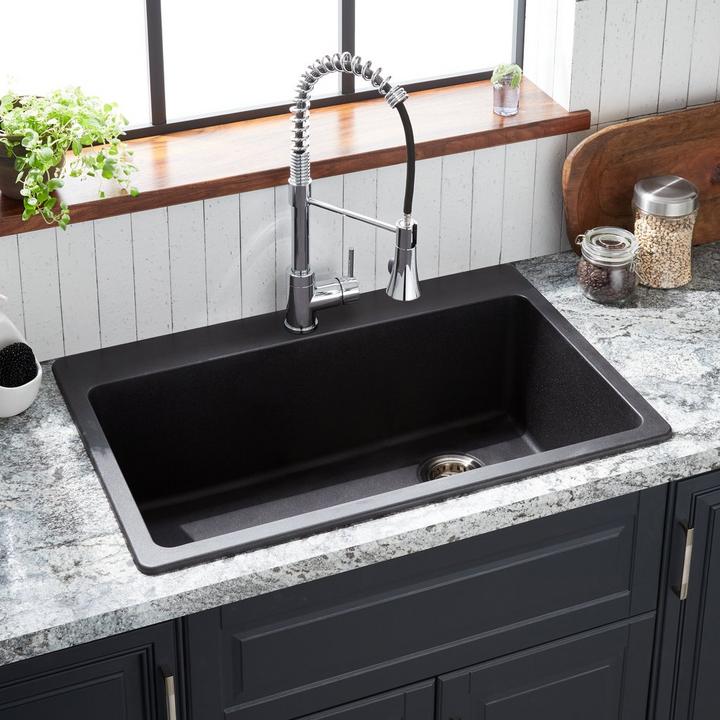
Top-mount sinks, also called drop-in sinks, rest on the countertop. The edges overlap the countertop surface. This type is easier to install and replace. Standard sizes vary, but usually fit standard cabinet widths. Ensure the sink size matches the cutout in your countertop. The rim can catch water, so cleaning may take extra effort.
Undermount Sinks
Undermount sinks attach below the countertop. This design offers a smooth look and easy cleaning. The sink size must fit precisely under the counter. Undermount sinks need strong support and proper sealing. They work well with solid surface countertops like granite or quartz. These sinks often require professional installation.
Integrated Sink Designs
Integrated sinks blend seamlessly with the countertop material. They come as one piece with the countertop. This design allows custom sizes and shapes. Integrated sinks offer a modern, clean look. They need careful planning during kitchen design. Usually, they suit larger kitchens with more countertop space.
Credit: www.signaturehardware.com
Trends In Kitchen Sink Sizes For 2025
The kitchen sink remains an essential part of any kitchen design. In 2025, sink sizes are adapting to new lifestyles and home designs. People want sinks that fit their space and meet their daily needs. Trends show a shift toward both very small and very large sinks, with smart features becoming popular. These changes reflect how kitchens are used today.
Compact Sinks For Small Spaces
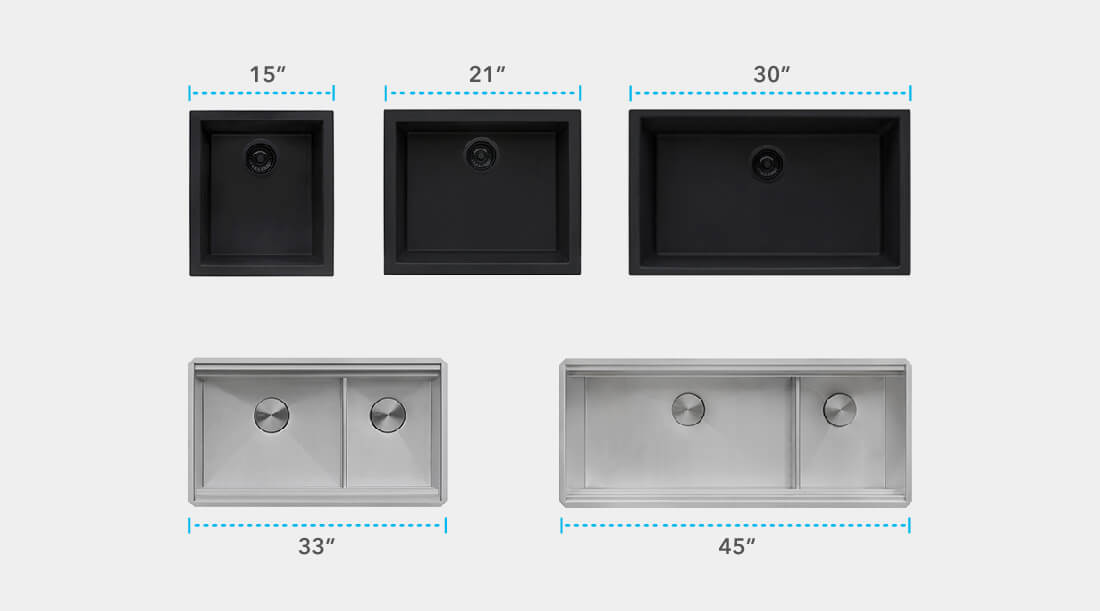
Compact sinks are ideal for small kitchens and apartments. They save space without losing functionality. These sinks often measure less than 22 inches wide. They fit well in kitchenettes and tiny homes. Many compact sinks have deep basins to hold more dishes. They help keep kitchens uncluttered and efficient.
Oversized Sinks For Entertaining
Oversized sinks are growing in popularity for large kitchens. These sinks can be 33 inches wide or more. They make washing big pots and pans easier. Extra space in the sink helps with food prep and cleanup during parties. Many families enjoy oversized sinks because they handle more volume. This trend suits homes where cooking and entertaining happen often.
Smart Sink Features
Smart sinks combine technology with traditional design. Some sinks have built-in water filters or touchless faucets. Others include LED lights or sound systems. These features add convenience and hygiene. Smart sinks help reduce water waste and improve kitchen safety. They represent the future of kitchen sink design.
Measuring Tips For a Perfect Fit
Getting the right size for your kitchen sink is important. A perfect fit looks good and works well. Measuring carefully helps you avoid mistakes. It saves time and money. Follow these simple tips to measure correctly.
Measuring Countertop Cutouts
Start by measuring the existing countertop cutout. Use a tape measure to get the width and length. Measure from inside edge to inside edge. Write down the numbers clearly. Double-check to avoid errors. This helps find a sink that fits well.
Checking Cabinet Clearances
Next, check the space inside the cabinet below. Measure the width, depth, and height. Make sure there is enough room for the sink and plumbing. Leave some extra space for easier installation. This step prevents buying a sink too big for your cabinet.
Allowing Space For Accessories
Think about the space for the faucet and soap dispenser. Measure the area around the sink cutout. Leave room for mounting these accessories. This keeps your kitchen organized and functional. Plan to avoid tight fits or clutter.
Credit: www.ruvati.com
Frequently Asked Questions
What Is The Average Size Of A Kitchen Sink?
The average kitchen sink size is typically 22 inches wide by 30 inches long. This standard size fits most countertops and cabinets. It balances functionality and space efficiency, accommodating everyday kitchen tasks comfortably.
How Deep Are Standard Kitchen Sinks?
Standard kitchen sinks usually have a depth between 8 to 10 inches. This depth allows for easy washing of large pots and pans while preventing water splashes. Deeper sinks may be preferred for heavy-duty kitchen use.
What Are The Common Dimensions Of Double Bowl Sinks?
Double bowl sinks commonly measure 33 to 36 inches in length and 22 inches in width. Each bowl is usually about 14 to 16 inches wide. This size allows multitasking, such as washing dishes in one bowl and rinsing in the other.
Can Kitchen Sink Sizes Vary By Material?
Yes, kitchen sink sizes can vary slightly depending on the material. Stainless steel sinks often come in standard sizes, while custom stone or composite sinks might have unique dimensions. Always check specifications before purchase.
Conclusion
Choosing the right kitchen sink size helps your kitchen work better. Standard sizes fit most cabinets and spaces well. Think about how you use your sink daily. Bigger sinks hold more dishes; smaller ones save space. Measure your cabinet before buying to avoid problems.
A good sink size makes cooking and cleaning easier. This simple step improves your kitchen’s flow and look. Keep these tips in mind for a smart choice. Your kitchen will feel more comfortable and efficient.