

Is your kitchen sink backing up and causing a mess? You’re not alone, and the good news is you don’t have to panic.
When water starts to drain slowly or even worse, stops completely, it can disrupt your whole day. But before you reach for the phone to call a plumber, there are simple steps you can take right now to fix the problem yourself.
Keep reading to discover easy, effective solutions that will save you time, money, and stress. Your kitchen sink can be flowing smoothly again—here’s exactly what you need to do.
Contents
Signs Of A Backed-up Sink
Noticing a backed-up kitchen sink early helps avoid big problems. The signs often start small but become clear fast. Knowing these signs saves time and money. Watch carefully for changes in how your sink works and smells.
Slow Drainage
Water drains slowly from your sink. It may pool in the basin longer than usual. Slow drainage shows a clog is forming. Food scraps or grease block pipes over time. Acting early prevents a full backup.
Unpleasant Odors
A bad smell comes from the drain. The odor can smell like rotten eggs or garbage. This happens when food waste gets stuck. Trapped water and debris cause the smell. It signals a problem inside the pipes.
Gurgling Sounds
Strange noises come from the drain. Gurgling or bubbling sounds mean air is trapped. This happens when water cannot flow properly. The sound shows a blockage or vent problem. Listen closely to catch this early sign.
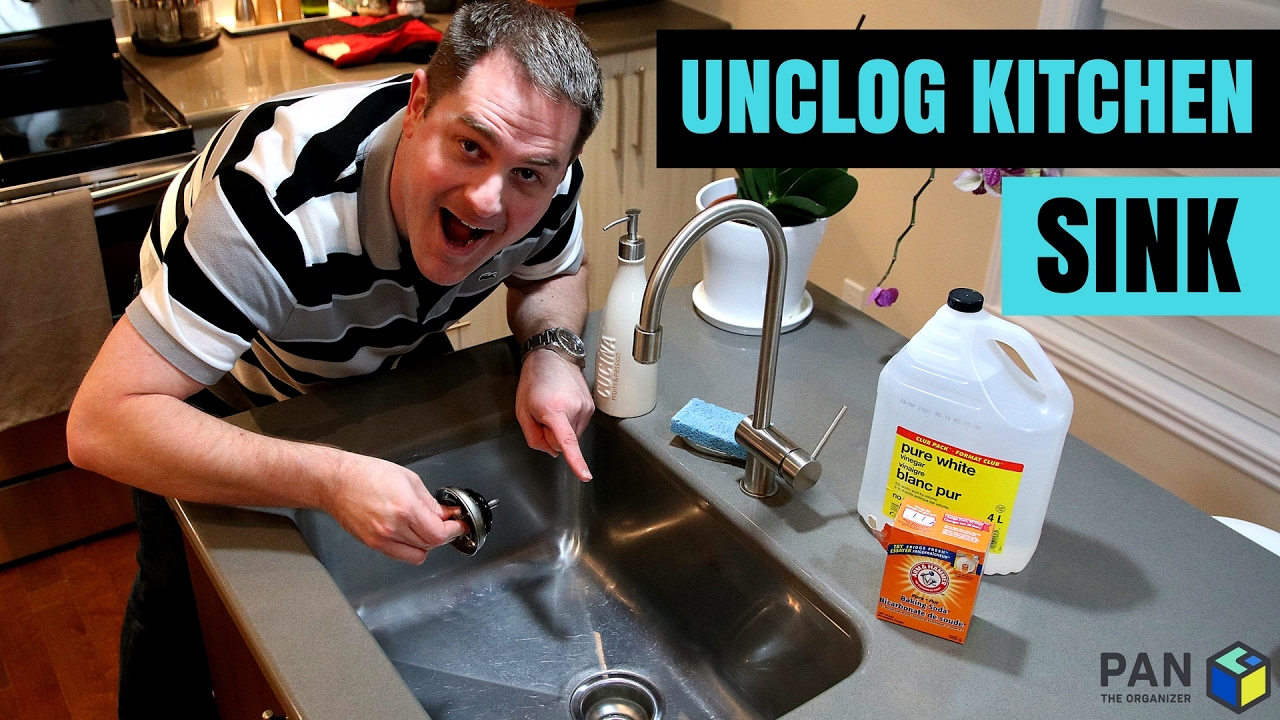
Credit: www.youtube.com
Immediate Steps To Take
When your kitchen sink starts to back up, quick action is important. Taking the right steps early can stop the problem from getting worse. Follow these simple tasks to handle the issue safely and effectively.
Stop Using The Sink
Do not run water or use the sink while it is backing up. More water can cause overflow and make a bigger mess. Turning off the tap helps prevent damage and keeps the problem contained.
Clear Visible Debris
Check the drain for any visible debris or food scraps. Remove any blockages by hand or with a tool like tongs. Clearing the drain opening can improve water flow and reduce pressure in the pipes.
Use A Plunger
Place a plunger over the drain and push down firmly. Pump up and down several times to loosen the clog. This method often clears minor blockages without harsh chemicals or tools.
Diy Methods To Unclog
Clogged kitchen sinks cause trouble and slow down your work. Simple tools and ingredients at home can fix many blockages. Trying a few easy steps might clear the drain without calling a plumber. These DIY methods save time and money. Each method suits different kinds of clogs. Learn how to try them safely and effectively below.
Boiling Water Flush
Boiling water helps dissolve grease and soap buildup. Pour a kettle of boiling water slowly into the drain. Do this in stages, waiting a few seconds between pours. Hot water softens sticky debris and clears minor blockages. Repeat the process two or three times. Avoid boiling water if your pipes are PVC; it may damage them.
Baking Soda And Vinegar
This natural mixture creates a fizzing action that breaks down clogs. Start by pouring half a cup of baking soda into the drain. Next, add half a cup of white vinegar. Let the mixture sit for 15 to 30 minutes. After waiting, flush the drain with hot water. This method works well on organic matter like food scraps and grease.
Manual Snake Or Wire Hanger
A manual snake or a straightened wire hanger removes tough blockages physically. Insert the tool gently into the drain. Twist and push it to catch or break up the clog. Pull the tool out carefully, removing debris attached to it. Clean the drain afterward with hot water. This method is useful for hair, food pieces, and small objects stuck inside.
Preventive Maintenance Tips
Preventive maintenance helps keep your kitchen sink working well. Small habits stop clogs and backups. These simple steps save time and money on repairs. Pay attention to what goes down the drain. Clean your sink often to avoid buildup. Use tools that catch debris before it enters pipes.
Avoid Pouring Grease
Grease hardens inside pipes and causes blockages. Pour cooled grease into a container and throw it away. Never wash grease or oil down the sink. Even small amounts can build up over time. Avoid strong food scraps that stick to pipe walls.
Regular Cleaning
Clean your sink drain weekly to remove debris and soap scum. Use a mixture of baking soda and vinegar for a natural clean. Pour hot water down the drain after cleaning. This helps flush away loosened grime. Regular cleaning keeps pipes clear and water flowing.
Install A Drain Strainer
A drain strainer catches food particles and prevents clogs. Choose a strainer that fits your sink drain well. Empty the strainer into the trash after each use. This simple tool stops solids from entering pipes. It reduces the risk of sink backups significantly.
When To Call A Professional
Knowing when to call a professional plumber can save time and prevent damage. Some sink problems need expert tools and skills. Trying to fix complex issues alone may make things worse. Recognizing the signs helps you decide the right moment to get help.
Persistent Clogs
Clogs that return after clearing need a plumber’s attention. These blockages may hide deep in pipes. Simple plunging or drain cleaners may not work. A professional can find the cause and fix it for good.
Multiple Drain Issues
Problems in more than one drain suggest a bigger issue. This might mean a main pipe is blocked or damaged. A plumber can inspect all drains and solve the root cause. Don’t ignore multiple slow or backed-up drains.
Sewer Line Problems
Bad smells or water backing up in many places can signal sewer line trouble. This is a serious problem that needs fast action. Sewer line repairs require special tools and skills. Contact a professional to avoid health risks and costly damage.

Credit: environmentmasters.com
Frequently Asked Questions
What Causes A Kitchen Sink To Back Up?
Kitchen sinks back up due to clogged drains from grease, food debris, or foreign objects blocking pipes. Slow drainage or foul odors often signal a blockage needing prompt attention.
How Can I Quickly Unclog A Backed-Up Sink?
Pour boiling water down the drain to dissolve grease. Use a plunger to dislodge blockages. Avoid harsh chemicals; try a baking soda and vinegar mix for safer clearing.
When Should I Call A Plumber For A Sink Backup?
Call a plumber if DIY methods fail or backups persist. Professional help is needed for deep clogs, pipe damage, or recurring drainage issues to prevent further damage.
Can Regular Maintenance Prevent Kitchen Sink Backups?
Yes, regular cleaning and avoiding grease or food waste in drains help prevent clogs. Use drain strainers and flush pipes periodically with hot water to maintain free flow.
Conclusion
A backed-up kitchen sink can cause big trouble fast. Act quickly to clear clogs and stop water overflow. Use simple tools like a plunger or drain snake first. Avoid pouring harsh chemicals that can damage pipes. Regular cleaning helps prevent future backups.
Call a plumber if problems continue or worsen. Keep your kitchen sink flowing smoothly with small daily habits. A little care saves time, money, and stress later on. Don’t wait—take steps now to fix your sink and protect your home.