
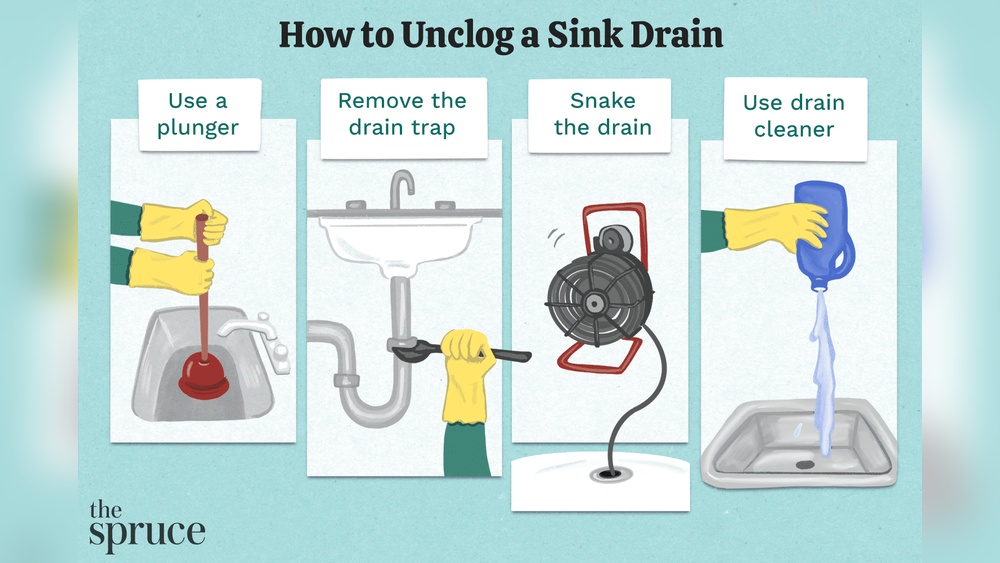
Is your kitchen sink water sitting still instead of flowing down like it should? A slow or clogged drain can quickly turn a simple task into a frustrating mess.
You might feel stuck, wondering what to do next. Don’t worry—this problem is common, and you can fix it. You’ll discover easy steps to get your kitchen sink draining smoothly again. Keep reading, and by the end, you’ll have practical solutions that save you time, money, and stress.
Your sink will be back to normal before you know it.
Credit: www.youtube.com
Contents
Common Causes Of Slow Drainage
Slow drainage in a kitchen sink is a common problem. It happens for several reasons. Knowing the causes helps you fix the issue faster. Most of the time, the problem is simple and easy to solve. Here are the main causes of slow drainage.
Clogged Pipes
Pipes can get blocked by different things. Dirt, food bits, and soap scum build up inside. This stops water from flowing freely. Over time, the blockage grows and slows the drain. Regular cleaning can prevent clogs.
Food Debris
Food scraps often go down the sink. These scraps can get stuck in the drain. They create a barrier that blocks water. Avoid putting large food pieces into the sink. Use a strainer to catch food waste.
Grease Build-up
Grease and oil from cooking cause big problems. They cool and harden inside the pipes. This layer narrows the pipe and slows water flow. Pour grease into a container instead of the sink.
Ventilation Issues
Drain pipes need air to work well. Poor ventilation causes slow drainage and gurgling sounds. Vents can get blocked by debris or animals. Clearing vents helps water move faster through pipes.
Credit: www.homedepot.com
Basic Tools You’ll Need
When your kitchen sink is not draining, having the right tools helps a lot. These tools are common and easy to use. They make the job simpler and faster. Keep them ready before you start.
Plunger
A plunger creates suction to clear blockages. Use it to push or pull stuck debris. It works well for minor clogs. Make sure to cover the drain fully with the plunger cup. Push and pull firmly for best results.
Drain Snake
A drain snake is a long, flexible wire. It reaches deep into pipes to break clogs. Turn the handle to twist through the blockage. It is useful for tougher or deeper clogs. Use it gently to avoid pipe damage.
Baking Soda And Vinegar
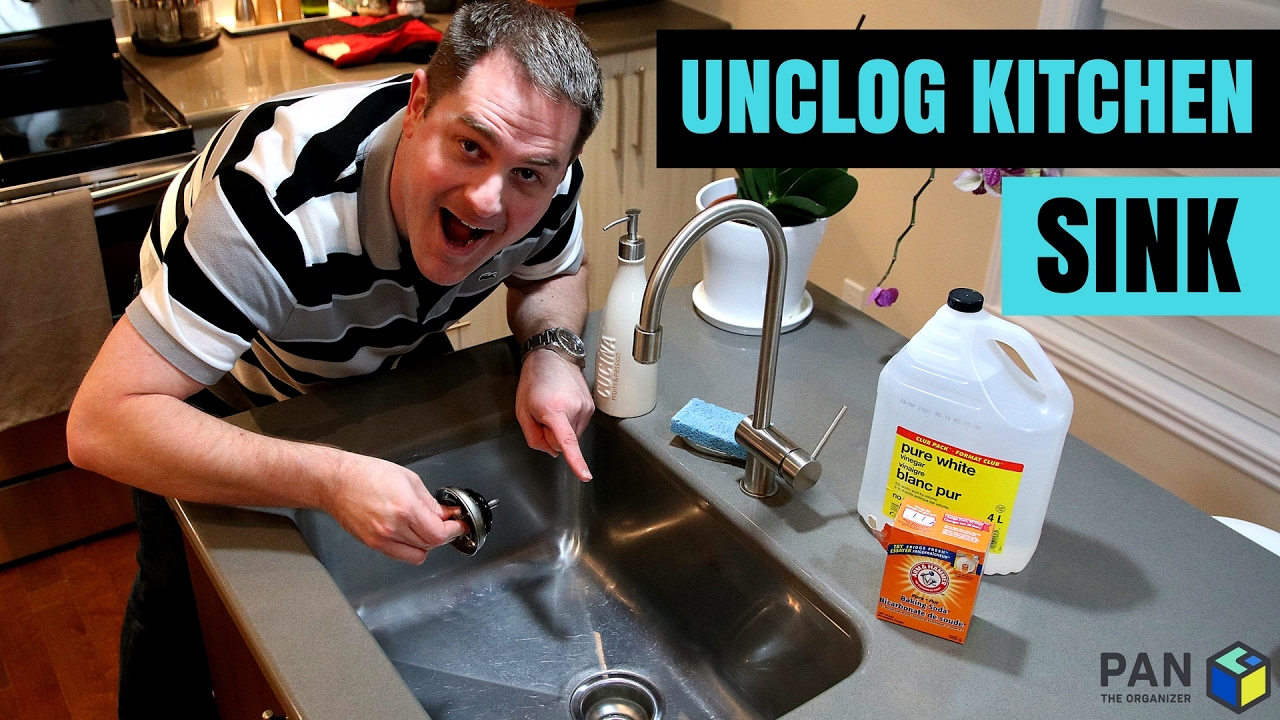
Baking soda and vinegar make a natural cleaning mix. Pour baking soda into the drain first. Follow with vinegar and wait 15-20 minutes. The fizz helps break down grime and grease. Then flush with hot water to clear the pipe.
Bucket And Gloves
A bucket catches water and debris during cleaning. Gloves protect your hands from dirt and germs. Use gloves for hygiene and safety. Place the bucket under the sink when removing pipes or traps. Keep these handy to avoid messes and stay safe.
Simple Diy Fixes
Kitchen sink not draining? Some simple fixes can clear the clog fast. These do-it-yourself methods save time and money. Most tools and ingredients are easy to find. Try these steps before calling a plumber. They often solve the problem quickly.
Using A Plunger Effectively
Fill the sink with enough water to cover the plunger cup. Place the plunger over the drain. Push down firmly and pull up quickly. Repeat this motion 10 to 15 times. The pressure can break up blockages. Check if water drains after plunging.
Clearing With A Drain Snake
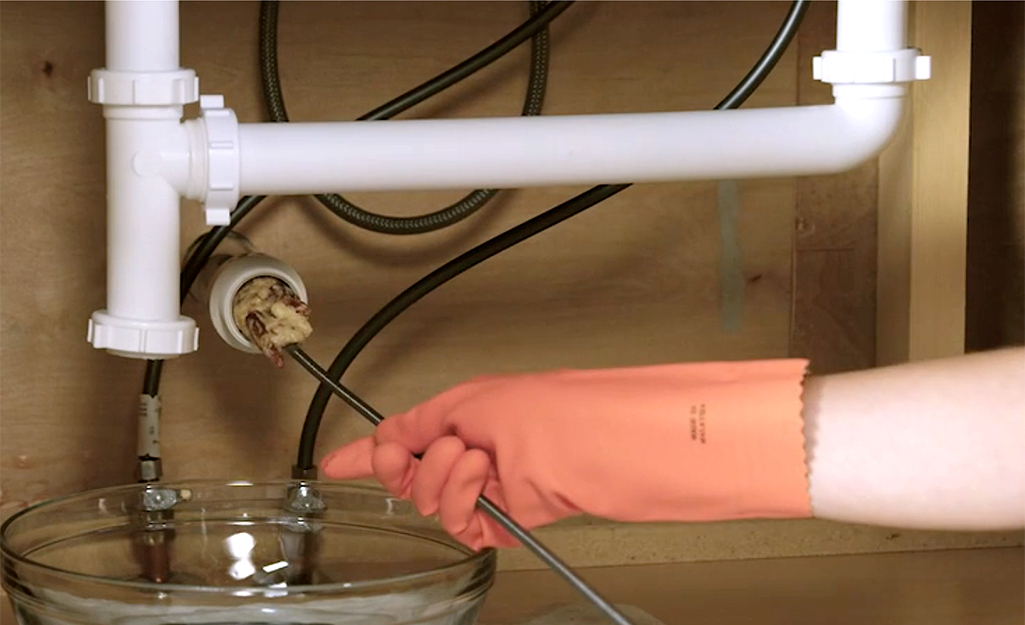
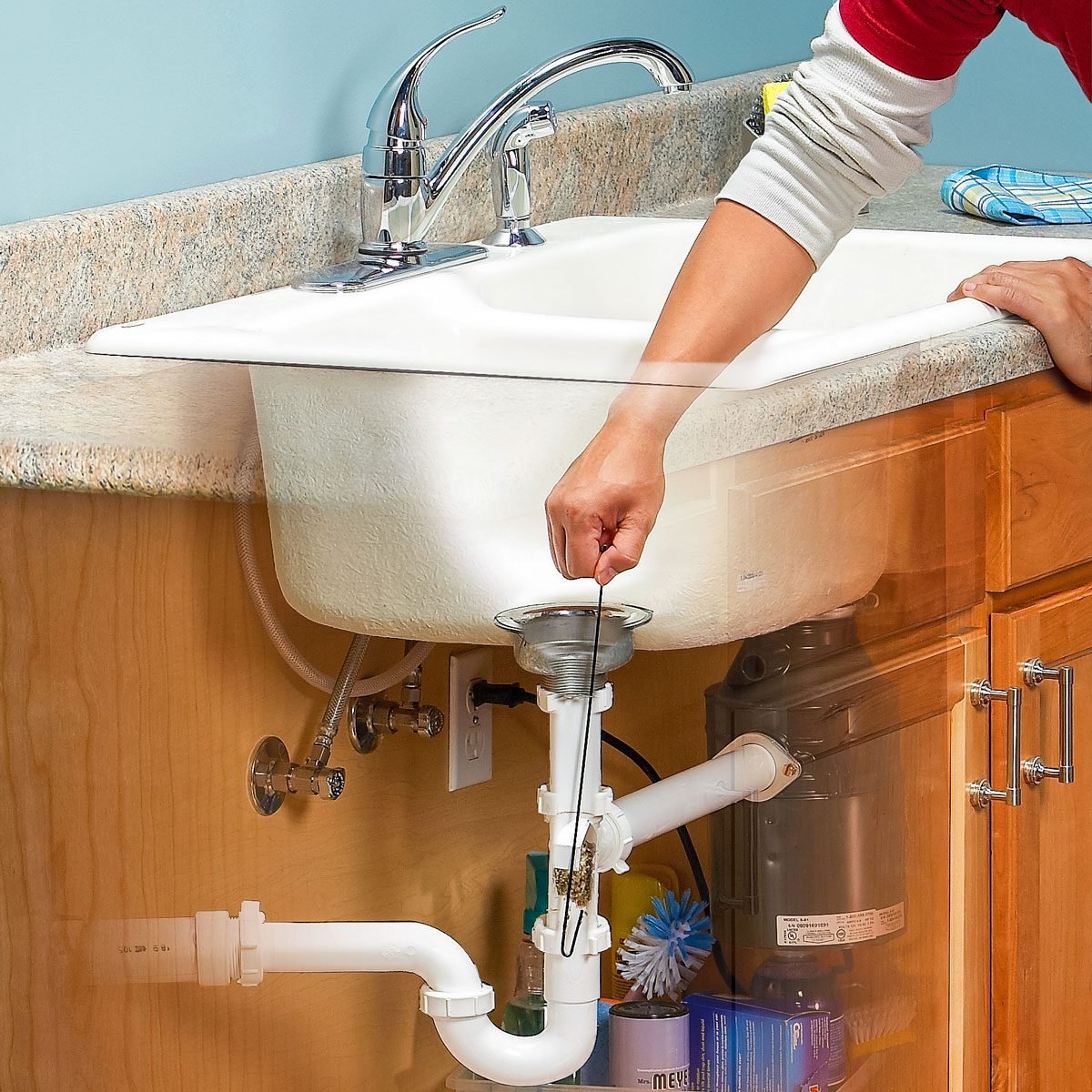
Insert a drain snake into the sink drain. Turn the handle slowly to push past clogs. Pull out any debris caught on the snake. Run water to see if flow improves. Drain snakes reach deep blockages beyond the plunger.
Natural Cleaning Solutions
Mix half a cup of baking soda with half a cup of vinegar. Pour the mixture into the drain. Wait 15 minutes for fizzing action to break grease and grime. Flush the drain with hot water. This method is safe and eco-friendly.
Removing And Cleaning The P-trap
Place a bucket under the sink pipe to catch water. Unscrew the P-trap carefully by hand or with a wrench. Remove trapped debris and clean the pipe with a brush. Reassemble the trap securely. Test the sink drain for smooth flow.
Credit: www.familyhandyman.com
Preventing Future Clogs
Preventing future clogs in your kitchen sink saves time and avoids frustration. Small habits can keep water flowing smoothly. Follow simple steps to protect your pipes and drains. These tips help reduce blockages and keep your kitchen clean.
Proper Disposal Of Food Waste
Throw food scraps into the trash or compost bin. Avoid putting large pieces down the drain. Food particles can stick and cause blockages. Use a sink strainer to catch leftover bits. Clear the strainer after every meal.
Avoiding Grease Pouring
Never pour grease or oil into the sink. Hot grease can harden inside pipes. This builds up and blocks water flow. Instead, pour grease into a container and throw it away. Wipe greasy pans with paper towels before washing.
Regular Maintenance Tips
Flush your sink with hot water weekly. This helps remove small debris and grease. Use a mixture of baking soda and vinegar monthly. Let it sit, then rinse with hot water. Avoid harsh chemicals that can damage pipes.
Using Drain Screens
Install drain screens to catch hair and food particles. Choose screens that fit your sink properly. Clean them daily to prevent buildup. Drain screens reduce the chance of clogs forming.
When To Call A Professional
Knowing when to call a professional plumber can save time and prevent bigger problems. Some sink issues need expert tools and skills. Acting fast avoids damage and costly repairs. Here are signs that you should call a professional right away.
Persistent Blockages
A clog that stays even after basic cleaning needs expert help. Professionals use special tools to clear deep blockages. Avoid using harsh chemicals that can damage pipes.
Foul Odors
Bad smells from the sink can mean trapped food or mold. Persistent odors show a bigger problem in the drain system. A plumber can find and fix hidden issues.
Water Backing Up
Water that comes back up when you drain the sink is a serious sign. This can cause flooding and damage to your kitchen. Professionals can find the source and stop the backup.
Leaks And Damaged Pipes
Leaks under the sink or damaged pipes need quick repair. Water damage can ruin cabinets and floors. A plumber can replace broken pipes safely and prevent further leaks.
Frequently Asked Questions
Why Is My Kitchen Sink Not Draining Properly?
A clogged drain often causes slow or no drainage. Food debris, grease, or soap scum build-up blocks the pipes. Regular cleaning and avoiding pouring grease down the sink help prevent this issue.
How Can I Unclog A Kitchen Sink Drain?
Use a plunger or a drain snake to clear minor clogs. Pouring baking soda followed by vinegar can help dissolve buildup. For persistent blockages, consider using a chemical drain cleaner or calling a plumber.
What Causes A Kitchen Sink To Drain Slowly?
Slow drainage usually results from partial clogs or pipe buildup. Grease, food scraps, and soap residue accumulate over time. Also, improper venting or damaged pipes might affect drainage speed.
Can I Fix A Kitchen Sink Clog Myself?
Yes, many clogs can be fixed at home using plungers or drain snakes. Avoid harsh chemicals to protect pipes. If the problem persists, professional help may be necessary to avoid damage.
Conclusion
A kitchen sink that won’t drain causes real trouble. Start by checking for clogs in the drain or trap. Use a plunger or simple tools to clear blockages. Avoid harsh chemicals that might damage pipes. Regular cleaning helps keep water flowing well.
Call a plumber if the problem stays or worsens. Taking quick action saves time and avoids bigger issues. Your kitchen will work smoothly again with these easy steps. Don’t let a slow sink disrupt your daily routine.