
Is your kitchen sink clogged and slowing you down? A blocked sink can be frustrating and messy, but don’t worry—you can fix it yourself.
Knowing what to do right away can save you time, money, and stress. You’ll discover simple, effective steps to clear your sink quickly. Keep reading, and you’ll feel confident tackling the problem like a pro. Your kitchen will be back to normal before you know it!
Contents
Identify The Cause
Before fixing a clogged kitchen sink, find out what caused it. Knowing the cause helps you choose the right solution. It saves time and effort. Sometimes, the clog is simple. Other times, it needs more work. Start by checking common sources of blockages. Then, look for signs that show a clog is present.
Common Blockage Sources
Food scraps often block kitchen sinks. Grease and oil harden inside the pipes. Coffee grounds and eggshells can build up too. Soap scum sticks to pipe walls and traps debris. Small objects like jewelry or broken glass may fall in. Hair and dirt add to the blockage over time.
Signs Of A Clog
Water drains slowly or not at all. Strange noises come from the pipes. Bad smells rise from the sink. Water may back up into the sink bowl. Bubbling sounds in the drain show trapped air. These signs tell you a clog is blocking the flow.
Basic Tools To Have
Having the right tools can make fixing a clogged kitchen sink easier and faster. Some tools are essential for plumbing tasks. Others are common household items that help with quick fixes. Knowing these tools helps you act quickly and avoid bigger problems.
Essential Plumbing Tools
A plunger is a must-have for any clogged sink. It creates pressure to push the clog free. A pipe wrench helps loosen and tighten pipes under the sink. A plumber’s snake or drain auger reaches deep clogs that a plunger can’t fix. Adjustable pliers are useful for gripping and twisting pipes. A bucket catches water when you disconnect pipes. Keep some old towels or rags nearby for spills.
Household Items For Quick Fixes
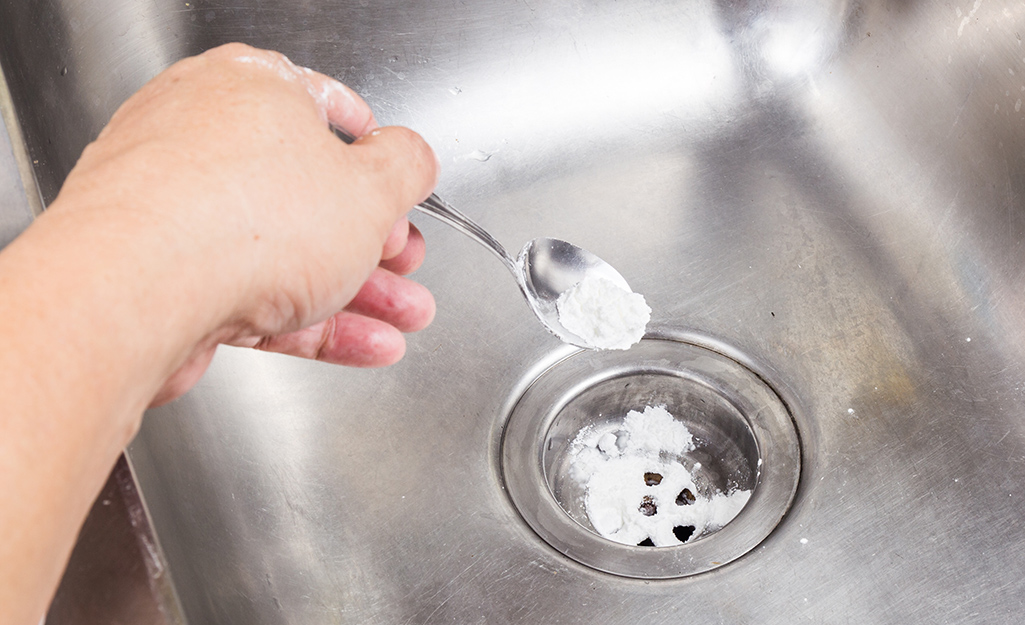
Baking soda and vinegar work well for minor clogs. Pour baking soda into the drain, then add vinegar. Wait 15 minutes, then flush with hot water. Hot water alone can sometimes clear grease buildup. Dish soap can also help break down grease in the drain. A wire hanger can be straightened and used to fish out debris. These items offer simple solutions before calling a plumber.
Simple Diy Methods
Clogged kitchen sinks are a common household problem. Simple DIY methods can clear minor blockages quickly. These techniques use items you likely have at home. They save time and avoid costly plumber visits.
Boiling Water Technique
Boiling water helps dissolve grease and soap buildup. Pour boiling water slowly into the drain in stages. Wait a few seconds between each pour. This flushes away soft clogs and clears the pipe.
Baking Soda And Vinegar Mix
Mix half a cup of baking soda with half a cup of vinegar. Pour the mixture into the clogged drain. Cover the drain for 15 minutes to let it work. Then, flush with hot water to clear the blockage.
Manual Removal With A Plunger
A plunger creates pressure to dislodge clogs. Fill the sink with some water to cover the plunger’s cup. Place the plunger over the drain and push firmly up and down. Repeat several times until water drains freely.
Credit: www.homedepot.com
Using A Drain Snake
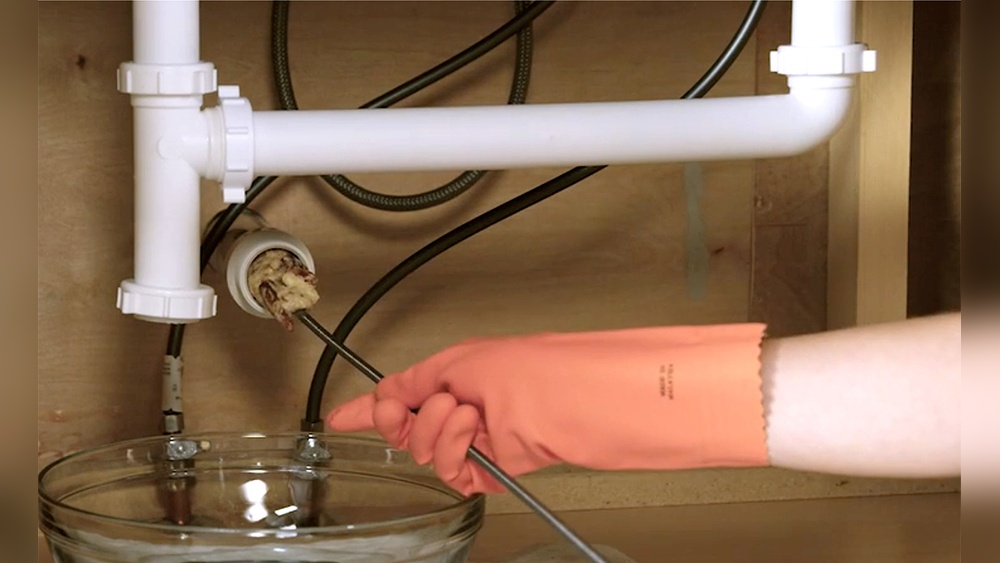
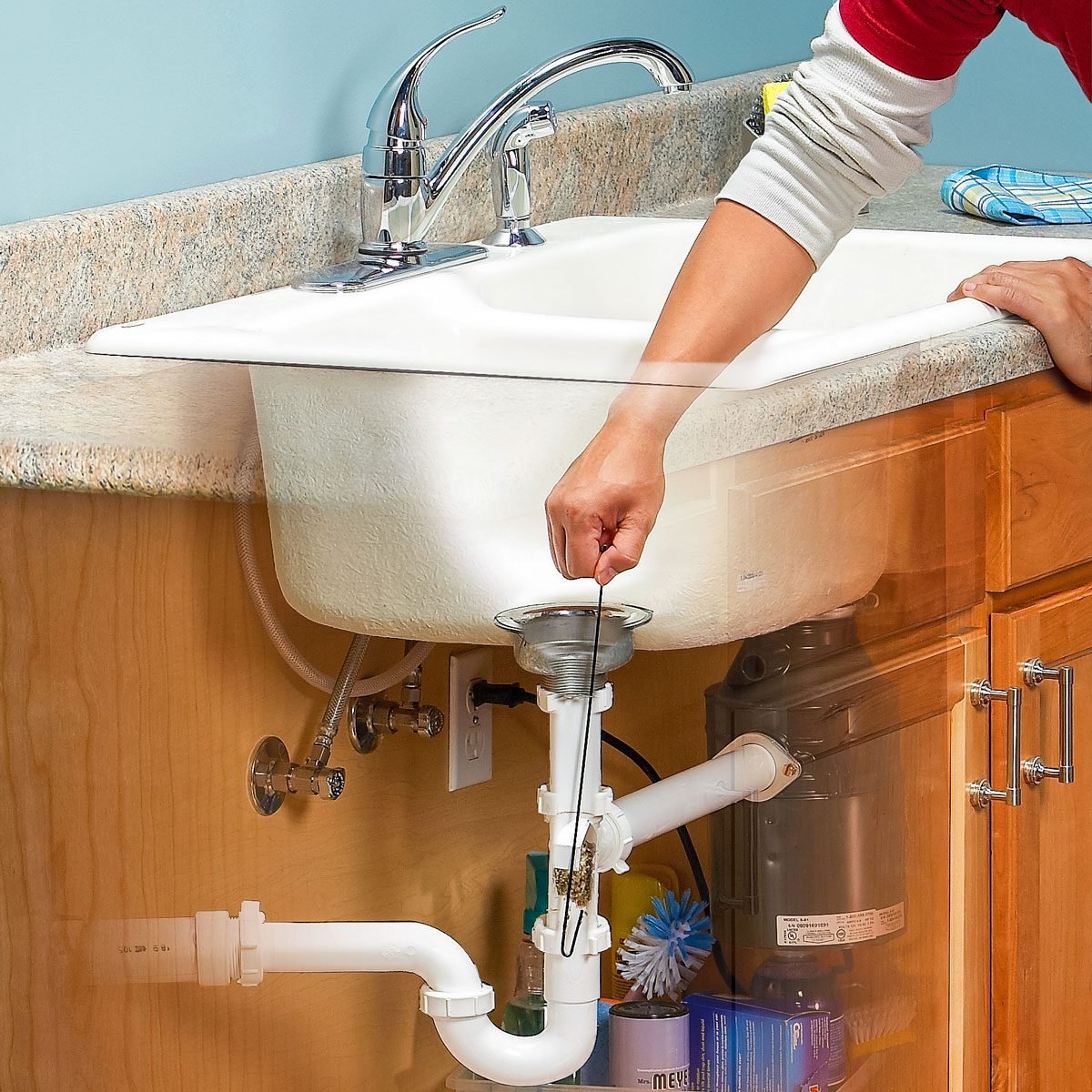
Using a drain snake is a practical way to clear a clogged kitchen sink. This tool helps remove blockages deep inside the drain pipe. It works by breaking up or pulling out the debris causing the clog. Many homeowners find it useful because it avoids harsh chemicals and saves money on plumber calls.
The drain snake is a long, flexible metal cable with a handle. It can bend through pipes to reach tough clogs. With some care, anyone can use it safely and effectively. Understanding how to operate the drain snake and knowing when to use it is key.
How To Operate A Drain Snake
Start by removing the sink stopper or strainer. Slowly insert the snake into the drain opening. Turn the handle clockwise to push the cable deeper. When you feel resistance, it means the clog is near. Rotate the snake to break up or grab the blockage. Pull the snake out carefully, bringing debris with it. Repeat the process until water flows freely. Clean the snake after use to keep it ready for next time.
When To Use This Tool
Use a drain snake if water drains slowly or not at all. It works well for clogs caused by food, grease, or hair. Avoid using it if your drain is damaged or fragile. Call a professional plumber in complex or severe clog cases. The drain snake is best for common kitchen sink blockages. It offers a quick, hands-on solution for many homes.
Chemical Drain Cleaners
Chemical drain cleaners are a popular choice to clear clogged kitchen sinks. They use powerful chemicals to dissolve grease, hair, and food particles blocking the pipes. These cleaners work fast and can reach deep clogs that simple plunging cannot fix.
Using chemical drain cleaners needs care. The wrong product or careless use can damage pipes or harm your skin. Knowing which cleaner suits your problem and how to use it safely is important.
Choosing The Right Cleaner
Pick a cleaner based on the clog type. Some are made for grease, others for hair or organic matter. Read labels carefully to find a product for kitchen sinks.
Choose a cleaner safe for your pipes. Some chemicals can damage old or plastic pipes. Look for products marked safe for your plumbing type.
Check if the cleaner is fast-acting or slow-acting. Fast cleaners work quickly but may be harsher. Slow-acting ones take time but are gentler on pipes.
Safety Precautions
Wear gloves and eye protection when handling chemical cleaners. These chemicals can burn skin and eyes.
Never mix different chemical cleaners. Mixing can cause dangerous reactions and release toxic fumes.
Use the cleaner in a well-ventilated area. Open windows or turn on fans to avoid inhaling fumes.
Follow the instructions on the package exactly. Use the recommended amount and wait time for best results.
Keep chemical cleaners away from children and pets. Store them in a safe, locked place.
Preventing Future Clogs
Preventing future clogs keeps your kitchen sink working smoothly. Small habits can stop blockages before they start. Regular care helps avoid costly repairs and saves time. Follow easy steps to protect your pipes and drains.
Proper Sink Usage Habits
Never pour grease or oil down the drain. These liquids harden and block pipes quickly. Use a strainer to catch food scraps. Dispose of scraps in the trash, not the sink. Avoid flushing coffee grounds, eggshells, and fibrous vegetables. These materials stick inside pipes and cause clogs. Run hot water after each use to clear debris. This keeps the drain clean and flowing freely.
Regular Maintenance Tips
Clean your sink drain weekly with baking soda and vinegar. This natural mix breaks down buildup safely. Flush the drain with hot water afterward. Use a plunger gently to clear minor blockages. Avoid harsh chemical cleaners that damage pipes. Check under the sink for leaks or loose pipes. Fix small problems early to prevent bigger issues. Schedule a professional drain inspection once a year for best care.
When To Call A Professional
Knowing when to call a professional for a clogged kitchen sink can save time and prevent damage. Some clogs require tools and skills that only a plumber has. Acting quickly helps avoid bigger problems.
Signs You Need Expert Help
Water drains very slowly or not at all. Strange noises come from the pipes. Foul smells persist near the sink. Water leaks appear under the sink cabinet. Using a plunger or drain cleaner does not clear the clog. Multiple drains in the house get clogged at the same time. These signs show the problem is serious.
What To Expect From A Plumber
A plumber will inspect the pipes carefully. They use special tools to find the blockage. The clog will be removed safely and completely. The plumber checks for pipe damage or leaks. They may clean other drains to prevent future clogs. You will get advice to avoid new blockages. The work is done quickly to reduce inconvenience.
Credit: www.youtube.com
Credit: www.familyhandyman.com
Frequently Asked Questions
How Can I Quickly Unclog A Kitchen Sink?
Use a plunger or a mixture of baking soda and vinegar. Pour boiling water afterward to clear minor clogs effectively and safely.
What Causes A Kitchen Sink To Clog Often?
Food scraps, grease buildup, and soap residue are common causes. Avoid pouring grease down the drain to prevent frequent clogs.
When Should I Call A Plumber For A Clogged Sink?
If DIY methods fail after multiple attempts or water drains very slowly, calling a plumber is advisable to avoid damage.
Can Chemical Drain Cleaners Damage My Kitchen Sink?
Yes, harsh chemicals can corrode pipes and harm the environment. Use natural remedies or mechanical methods for safer clog removal.
Conclusion
A clogged kitchen sink can disrupt your daily routine. Simple tools and steps often clear the blockage fast. Avoid harsh chemicals to protect your pipes and health. Regular cleaning helps prevent future clogs easily. Stay calm and tackle the problem step by step.
Knowing these tips saves time and money. Keep your kitchen sink flowing smoothly without stress. Small efforts make a big difference in your home.