
Is your kitchen sink backing up and causing a mess? It’s frustrating, messy, and can disrupt your entire day.
But don’t worry—you’re not alone, and you don’t have to call a plumber right away. Knowing what to do when your kitchen sink is backed up can save you time, money, and stress. You’ll discover simple, effective steps to fix the problem quickly.
Keep reading to regain control and get your sink flowing smoothly again.
Credit: www.homedepot.com
Contents
Common Causes Of Sink Backups
Kitchen sink backups happen often and cause big problems. Knowing common causes helps fix the problem fast. Many factors lead to slow or stopped water flow in the sink. Understanding these can save time and money.
Clogged Drain Pipes
Drain pipes get clogged by dirt, hair, and soap. Over time, these materials build up inside pipes. Water cannot flow freely through blocked pipes. This leads to slow drainage or water backup.
Grease And Food Build-up
Grease from cooking sticks to pipe walls. It cools and hardens, trapping food particles. This causes thick layers that block water flow. Avoid pouring grease down the drain to prevent clogs.
Blocked Garbage Disposal
Garbage disposals can jam with tough food scraps. Fibrous or hard materials cause blockages inside the unit. A blocked disposal stops water from draining. Regular cleaning helps keep it working well.
Vent Pipe Issues
Vent pipes let air into drain systems. Blocked vents cause slow drainage and gurgling sounds. Leaves, nests, or debris can block these vents. Clearing the vent pipe restores proper airflow and drainage.
Tools You’ll Need
When your kitchen sink is backed up, having the right tools can save time and stress. These tools help clear clogs quickly and safely. Preparing them before starting the work makes the process easier. Below are the basic tools you will need for this job.
Plunger
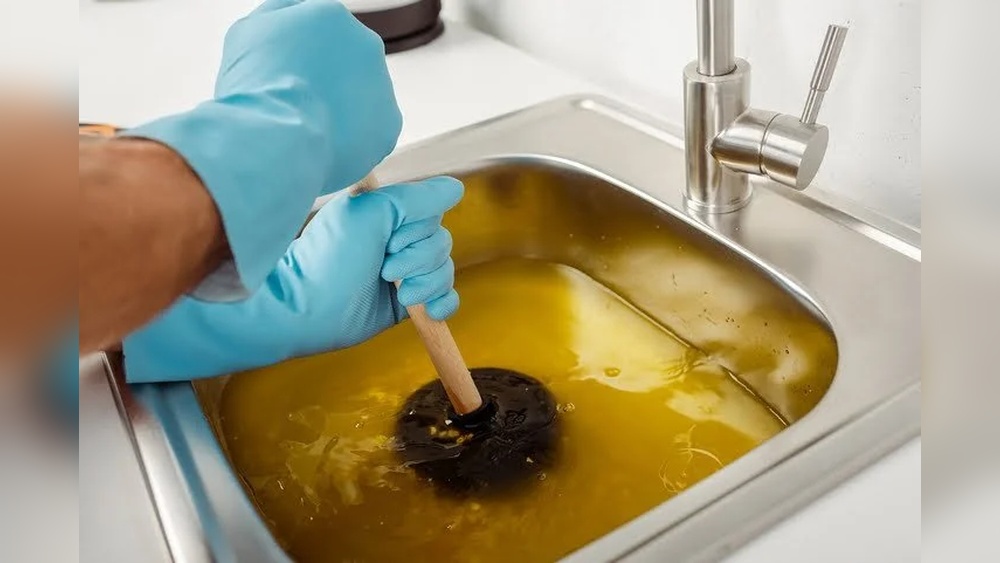
A plunger is the first tool to try for a clogged sink. It creates pressure to push the clog away. Use a sink plunger with a flat bottom for a better seal. Make sure to cover the drain fully before plunging. Several firm pumps usually clear minor blockages.
Drain Snake
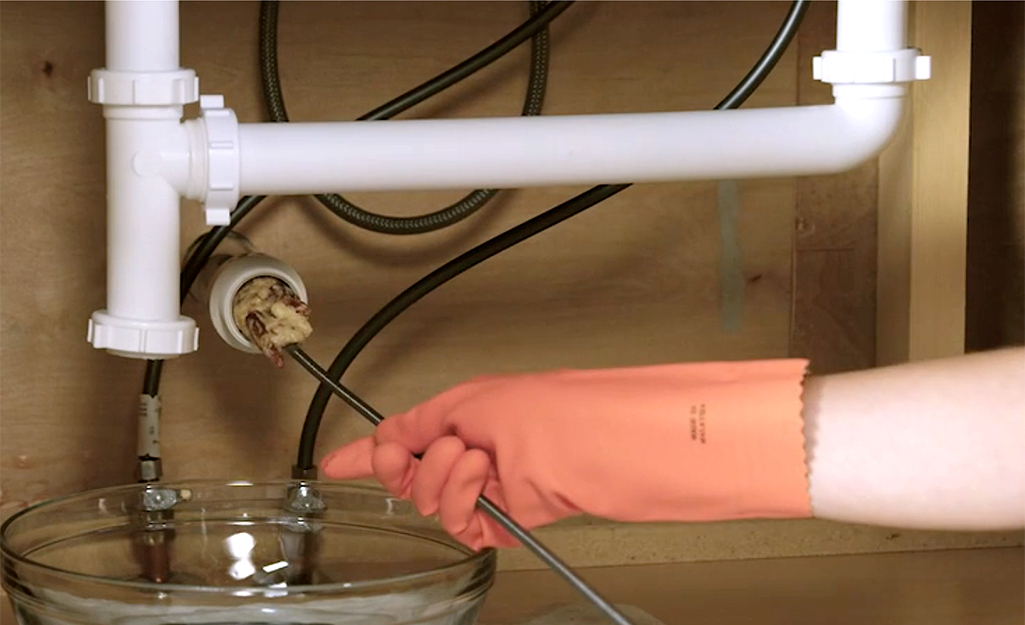
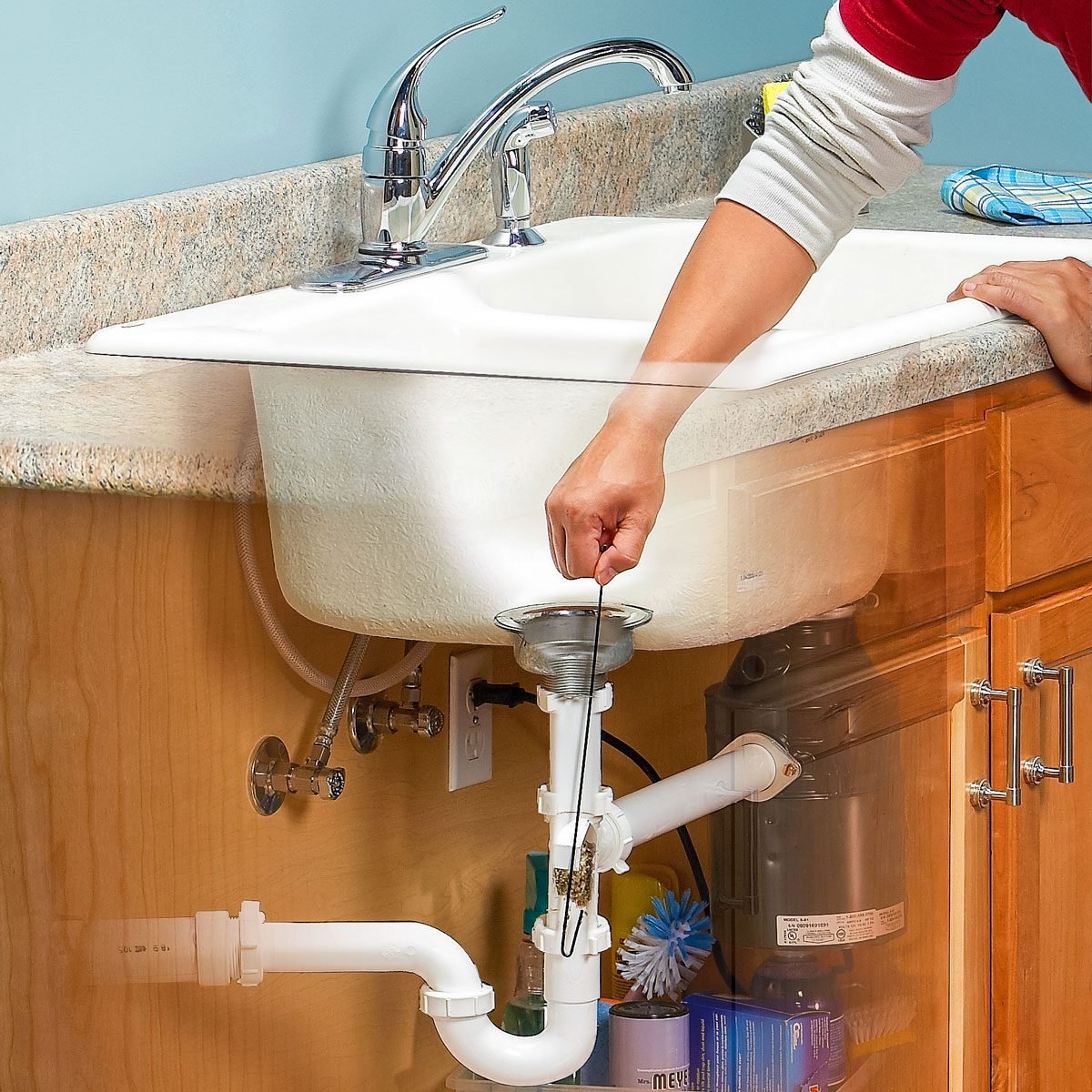
A drain snake is a long, flexible wire that reaches deep clogs. It twists and breaks apart debris inside the pipe. Insert it slowly and turn the handle to work through the blockage. Drain snakes come in manual or electric versions. This tool works well for stubborn clogs beyond the drain’s reach.
Baking Soda And Vinegar
Baking soda and vinegar create a natural cleaning reaction. Pour half a cup of baking soda into the drain. Follow with half a cup of vinegar. Let the mixture bubble for 15-20 minutes. Flush with hot water to clear grease and residue. This method is safe and eco-friendly.
Bucket And Wrench
A bucket and wrench are needed to check under the sink. Place the bucket below the trap to catch water. Use the wrench to loosen the nuts on the trap pipes. Remove the trap carefully to clear out trapped debris. This step helps with severe clogs that plunger or snake cannot fix.
Quick Fixes To Try First
When your kitchen sink is backed up, quick fixes can help clear the clog fast. These simple steps often work without tools or special skills. Try these easy methods before calling a plumber.
Using A Plunger Effectively
A plunger can push the clog loose. First, fill the sink with some water to cover the plunger cup. Place the plunger over the drain and push down firmly. Pull up sharply without breaking the seal. Repeat this several times to move the blockage.
Applying Baking Soda And Vinegar
Pour half a cup of baking soda down the drain. Follow with half a cup of vinegar. The mix will fizz and break up the clog. Let it sit for 15 minutes. Flush the drain with hot water to clear out debris.
Clearing The P-trap
The P-trap often holds trapped food or grease. Place a bucket under the pipe to catch water. Unscrew the curved pipe carefully. Remove any buildup inside. Rinse the pipe and screw it back tightly.
Flushing With Hot Water
Boil a kettle of water. Slowly pour hot water down the drain. This helps dissolve grease and soap scum. Repeat the process a few times. Hot water keeps the drain clear longer.
Credit: www.familyhandyman.com
When To Use A Drain Snake
A kitchen sink backup can disrupt your routine. A drain snake helps clear stubborn clogs quickly. It works by reaching deep into pipes to remove blockages. Knowing when to use a drain snake saves time and effort. It is useful when plunging does not fix the problem. Also, it is ideal for tough clogs beyond the trap.
Manual Vs. Electric Snake
Manual snakes are simple tools with a long, flexible cable. You turn a handle to push it through the clog. They work well for small clogs and short pipes. Manual snakes cost less and are easy to use.
Electric snakes have a motor that spins the cable fast. They clear large or tough blockages quickly. These tools suit longer pipes or heavy buildup. Electric snakes require more care and cost more than manual ones.
How To Snake The Drain Safely
Wear gloves to protect your hands from dirt and germs. Insert the snake cable gently into the drain opening. Turn the handle slowly to feed the cable deeper. Stop if you feel resistance or if the cable won’t move.
Twist the snake to break up or hook the clog. Pull the cable out carefully, bringing the blockage with it. Run water to check if the drain flows freely. Clean the snake after use to keep it in good shape.
Garbage Disposal Troubleshooting
Garbage disposal problems often cause kitchen sinks to back up. Knowing simple troubleshooting steps can fix many common issues. This guide helps you check and fix your disposal safely and quickly.
Resetting The Disposal
Sometimes the disposal stops working due to overload. Find the red reset button under the unit. Press it firmly to reset the disposal motor. Wait a few minutes and try running it again. This often solves power or motor problems.
Removing Jams
A jammed disposal can stop water from draining. Always turn off the power before checking. Use a flashlight to look inside for stuck objects. Use a wooden spoon or pliers to remove debris gently. Avoid using your hands to prevent injury. Manually turn the disposal with a wrench if needed. This frees the blades and clears the jam.
Cleaning The Disposal Unit
Cleaning prevents bad smells and clogs. Pour half a cup of baking soda into the disposal. Follow with one cup of vinegar and let it fizz for 10 minutes. Rinse with hot water while running the disposal. You can also grind small ice cubes and lemon peels. This sharpens blades and freshens the unit.

Credit: environmentmasters.com
Preventing Future Backups
Preventing future kitchen sink backups saves time and avoids hassle. Small habits keep drains clear and working well. Staying ahead stops clogs before they start. Focus on easy practices everyone can follow.
Proper Disposal Habits
Throw food scraps in the trash, not the sink. Avoid flushing coffee grounds, eggshells, and fibrous vegetables. These items build up and block pipes. Use a compost bin or garbage can instead.
Regular Drain Maintenance
Clean your drain monthly with baking soda and vinegar. Pour hot water down the drain to clear grease and soap. This simple routine helps prevent buildup. It keeps water flowing smoothly and stops bad smells.
Avoiding Grease Pouring
Never pour cooking grease or oil down the sink. Grease hardens inside pipes and causes blockages. Let it cool and throw it in the trash. This habit protects your plumbing and reduces costly repairs.
Using Sink Strainers
Place a strainer over the drain to catch food bits. Empty the strainer after each use to avoid clogs. Strainers are cheap and easy to clean. They act as the first line of defense against sink backups.
When To Call A Professional
Knowing when to call a professional plumber is important for a backed-up kitchen sink. Some problems require expert help to avoid more damage and expensive repairs. Acting quickly can save time and money.
Persistent Clogs
When a clog stays after several attempts to clear it, call a plumber. Persistent clogs mean the blockage is deep or severe. Professionals have tools that reach places you cannot. They remove tough clogs safely and fully.
Multiple Fixtures Backed Up
If more than one drain in your home is slow or stopped, a bigger issue exists. This could mean a main sewer line problem. It needs professional inspection and repair. Ignoring it can cause serious damage and health risks.
Signs Of Pipe Damage
Unusual smells, wet spots, or strange noises near your sink show pipe damage. Cracks or breaks in pipes cause leaks and backups. A plumber can find and fix these issues quickly. Early repair prevents costly water damage and mold growth.
Frequently Asked Questions
How Can I Quickly Fix A Backed-up Kitchen Sink?
Start by removing visible debris from the drain. Use a plunger to try dislodging the clog. If that fails, try a mixture of baking soda and vinegar. Avoid harsh chemicals as they can damage pipes. Call a plumber if the problem persists.
What Causes Kitchen Sinks To Get Clogged?
Kitchen sinks often clog due to food scraps, grease buildup, and soap residue. Improper disposal of oils and coffee grounds also contribute. Hair and foreign objects can block the pipes too. Regular maintenance prevents most clogs and keeps drains flowing smoothly.
When Should I Call A Plumber For A Backed-up Sink?
Call a plumber if the sink remains clogged after home fixes. Persistent slow drainage or foul odors indicate serious issues. Plumbing professionals have tools to safely clear tough blockages. Early intervention avoids costly repairs and water damage.
Can Baking Soda And Vinegar Unclog Kitchen Sinks?
Yes, baking soda and vinegar create a natural reaction that helps break down clogs. Pour baking soda into the drain, then add vinegar. Let it sit for 15 minutes, then flush with hot water. This method is eco-friendly and safe for pipes.
Conclusion
A backed-up kitchen sink can cause real trouble. Quick action helps avoid bigger problems. Use simple tools like a plunger or a drain snake first. Avoid harsh chemicals that may harm pipes. Regular cleaning keeps your sink flowing smoothly. Call a plumber if the clog stays stubborn.
Taking care early saves time and money. Keep your kitchen clean to prevent future backups. Small steps make a big difference. Stay calm and handle the problem step by step.