
Are you facing a broken or outdated kitchen sink and wondering who can replace it? Finding the right person for the job is crucial to avoid costly mistakes and ensure your kitchen looks great and works perfectly.
Whether you want a quick fix or a complete upgrade, knowing who to trust can save you time, money, and stress. Keep reading to discover exactly who can replace your kitchen sink and how to choose the best option for your needs.
Credit: rachiele.com
Contents
Choosing The Right Replacement
Choosing the right replacement for your kitchen sink requires careful thought. The sink is a key part of the kitchen. It must fit well and match your style. The right choice can improve your kitchen’s look and function.
Consider what type of sink suits your needs. Think about the materials and finishes. Accurate measurements ensure the new sink fits perfectly. These factors help you pick the best option for your kitchen.
Types Of Kitchen Sinks
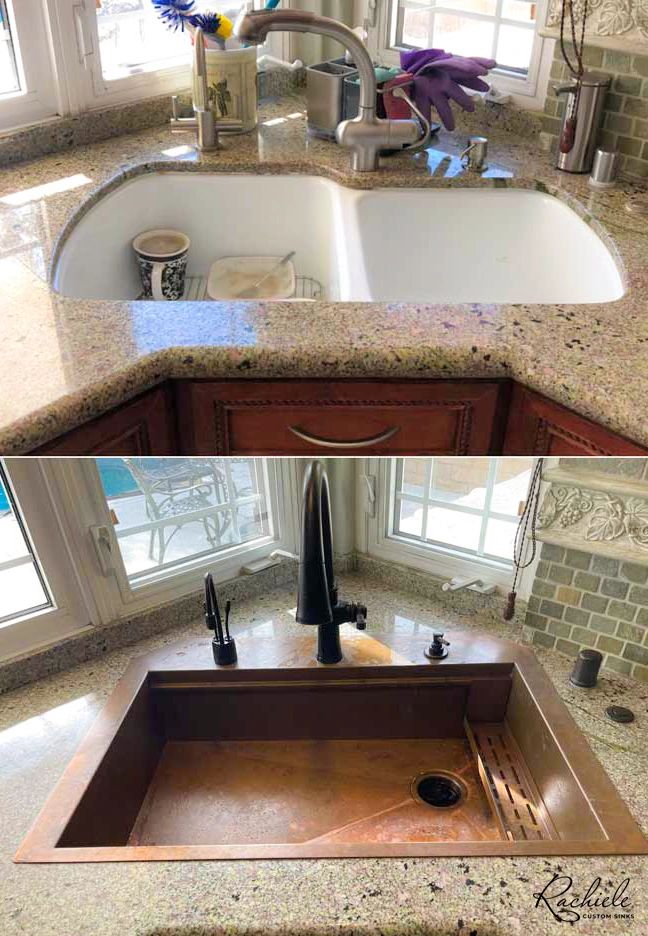
Kitchen sinks come in many styles. Top-mount sinks sit on the countertop. Undermount sinks are installed below the counter. Farmhouse sinks have a deep basin and a front apron. Single bowl sinks offer more space for washing. Double bowl sinks allow multitasking. Choose a type based on your kitchen’s design and your daily tasks.
Materials And Finishes
Sinks are made from various materials. Stainless steel is popular for its durability and easy cleaning. Porcelain offers a classic look but may chip. Granite composite resists scratches and stains. Copper sinks add a warm, unique touch. Finishes also affect the sink’s look and maintenance. Pick a material and finish that suits your style and use.
Measuring For A Perfect Fit
Measure your current sink carefully. Note the width, length, and depth. Check the size of the countertop cutout. Also, measure the distance between faucet holes. Accurate measurements prevent installation problems. Measure twice to avoid costly mistakes. A perfect fit makes the replacement smooth and hassle-free.
Tools And Materials Needed
Replacing a kitchen sink requires careful preparation. Gathering the right tools and materials makes the task easier and safer. This section covers the essentials you need before starting.
Essential Tools
Start with a good wrench set. Adjustable wrenches fit many sizes of nuts and bolts. A basin wrench helps reach tight spots under the sink. Screwdrivers, both flathead and Phillips, are necessary. Plumber’s putty or silicone sealant creates watertight seals. A utility knife helps cut old caulk or sealant. A bucket catches water when disconnecting pipes. A flashlight or headlamp improves visibility under the sink.
Replacement Parts
Choose a sink that fits your countertop and plumbing. New faucet fixtures often match sink styles and sizes. Supply lines connect water to the faucet. Drain assemblies include pipes and strainers. Check washers and gaskets for wear; replace if needed. Teflon tape helps seal threaded pipe connections. Ensure all parts are compatible with your existing plumbing.
Safety Gear
Wear gloves to protect your hands from sharp edges. Safety goggles keep debris and splashes out of your eyes. Use knee pads if you must kneel for long periods. Work in a well-lit area to avoid mistakes. Keep a first aid kit nearby for minor cuts. Proper safety gear prevents injuries during the project.
Preparing For The Replacement
Preparing for a kitchen sink replacement is an important first step. It helps make the process smooth and safe. Proper preparation prevents damage and saves time. Follow clear steps to get ready before removing the old sink.
Shutting Off Water Supply
Turn off the water supply to stop leaks. Locate the shutoff valves under the sink. Turn both hot and cold water valves clockwise. If there are no valves, shut off the main water line. Open the faucet to drain the remaining water. This step protects your kitchen from flooding.
Clearing The Work Area
Remove items from under the sink and nearby counters. Clear space to move freely and avoid accidents. Lay down a cloth or towel to catch drips. Good lighting helps you see pipes and fittings clearly. A clean area makes the task easier and safer.
Removing Old Sink Components
Disconnect the drain pipe and water supply lines carefully. Use a wrench to loosen nuts, but avoid force. Remove clips or brackets holding the sink in place. Lift the sink gently from the countertop or cabinet. Keep old parts for reference or replacement. This step prepares the area for the new sink.
Step-by-step Replacement Process
Replacing a kitchen sink can seem tough. A clear step-by-step guide helps make the job easier. This process covers everything from disconnecting pipes to setting a new sink in place. Follow these simple steps for a smooth replacement.
Disconnecting Plumbing
Turn off the water supply under the sink. Use a wrench to loosen the nuts on the water pipes. Disconnect the drain pipe carefully to avoid water spills. Keep a bucket handy to catch any leftover water.
Removing The Old Sink
Remove the clips or screws holding the sink to the countertop. Use a putty knife to cut any sealant around the sink edges. Lift the old sink out gently. Clean the countertop surface before installing the new sink.
Installing The New Sink
Apply a bead of silicone sealant around the sink opening. Place the new sink into the countertop hole. Press down firmly to create a tight seal. Secure the sink with clips or screws underneath the countertop.
Reconnecting Plumbing
Attach the drain pipe to the new sink’s drain. Connect the water supply lines to the faucet. Tighten all nuts and connections with a wrench. Turn the water back on and check for leaks carefully.
Common Challenges And Solutions
Replacing a kitchen sink can seem tricky at first. Several common challenges can appear during the process. Knowing these problems helps to find quick and easy solutions. This section covers common issues faced during sink replacement and how to solve them.
Dealing With Tight Spaces
Kitchen cabinets often leave little room to work. Tight spaces make it hard to remove old sinks or fit new ones. Use compact tools designed for small areas. Removing cabinet doors can give extra space to move. Light helps to see clearly inside the cabinet. Patience is key to avoiding damage in tight spots.
Fixing Leaks
Leaks are a common problem after installing a new sink. Check all connections carefully before finishing the job. Use plumber’s tape to seal pipe threads tightly. Inspect the sink drain and faucet for any gaps. Tighten loose nuts to stop dripping water. Test for leaks by running water and watching closely.
Adjusting For Different Sink Sizes
New sinks may be bigger or smaller than the old ones. Measure the countertop opening before buying a replacement. Larger sinks might need a countertop to be cut to fit. Smaller sinks require fillers or new mounting clips. Use adjustable brackets to hold the sink firmly. Correct sizing prevents water damage and ensures stability.

Credit: athomewithashley.com
When To Call A Professional
Replacing a kitchen sink can be simple or tricky. Knowing when to call a professional saves time and prevents damage. Some jobs need expert skills to avoid problems later. Understanding these situations helps you decide.
Complex Plumbing Issues
Plumbing systems can be complicated under your sink. Pipes might be old, corroded, or difficult to reach. A small mistake can cause leaks or water damage. Professionals know how to handle hidden plumbing safely and correctly.
Structural Repairs
Sometimes, the sink area needs structural work. Cabinets or countertops may need fixing before installing a new sink. Professionals can assess and repair damage to support your new sink properly. This prevents future problems and ensures a good fit.
Ensuring Code Compliance
Building codes protect your home and health. Plumbing rules vary by area and can be confusing. Professionals understand local codes and make sure installations are legal and safe. This helps avoid fines and costly fixes later.
Maintaining Your New Sink
Maintaining your new kitchen sink helps it last longer and stay looking good. Small daily actions protect the sink from damage and stains. Clean your sink often to keep it shiny and fresh. Check for any leaks or cracks to avoid bigger problems later. Proper care saves money on repairs and replacements.
Cleaning Tips
Clean your sink after every use. Use mild soap and warm water. Avoid harsh chemicals that can damage the surface. A soft sponge works best to remove dirt and stains. Dry the sink with a cloth to stop water spots. For tough stains, try baking soda and vinegar.
Preventing Damage
Do not put heavy pots or pans in the sink. Avoid dropping sharp objects that can scratch it. Use a sink mat to protect the bottom. Do not pour hot oil or grease down the drain. These can clog pipes and cause damage. Handle your sink gently to keep it in good shape.
Regular Inspections
Look under the sink for leaks or moisture every month. Check the faucet and pipes for loose parts. Tighten any loose screws to avoid water leaks. Inspect the sink surface for cracks or chips. Early fixing prevents costly repairs. Keep an eye on your sink’s condition regularly.
Credit: tapron.co.uk
Frequently Asked Questions
Who Is Qualified To Replace A Kitchen Sink?
A licensed plumber or experienced handyman can replace a kitchen sink. They ensure proper fitting, sealing, and plumbing connections. Hiring professionals prevents leaks and water damage, ensuring safety and functionality.
Can A Diy Enthusiast Replace A Kitchen Sink?
Yes, a skilled DIY enthusiast can replace a kitchen sink by following detailed instructions. Basic plumbing tools and knowledge are essential. However, improper installation can cause leaks, so caution is necessary.
How Much Does It Cost To Replace A Kitchen Sink?
Replacing a kitchen sink costs between $150 and $500 on average. Costs vary by sink type, labor fees, and additional plumbing work. Professional installation ensures quality and may add to the total cost.
How Long Does It Take To Replace A Kitchen Sink?
Replacing a kitchen sink typically takes 2 to 4 hours. Time depends on sink type, plumbing complexity, and installer experience. Proper preparation and tools speed up the process.
Conclusion
Replacing a kitchen sink is something many can handle. Homeowners with basic tools often manage the task well. Professionals offer help when problems seem too hard. Knowing who can replace your sink saves time and stress. Choose the right option based on your skills and budget.
Remember, a good sink replacement improves your kitchen’s look and function. Taking action now keeps your kitchen working smoothly.