

Have you ever noticed a bad smell coming from your kitchen sink and wondered, “Why does my kitchen sink stink?” That unpleasant odor can quickly turn your clean kitchen into a place you want to avoid.
You might think the problem will go away on its own, but ignoring it can lead to bigger issues. Understanding what causes that stink is the first step to fixing it fast. You’ll discover the common reasons behind those nasty smells and simple ways you can get rid of them for good.
Keep reading—your kitchen deserves to smell fresh again!
Credit: www.yourrepair.co.uk
Contents
Common Causes Of Sink Odors
Bad smells from the kitchen sink can be frustrating. Several common problems cause these odors. Knowing these causes helps you fix the issue fast.
Sink odors often come from hidden places. Food, water, and dirt create smells over time. Identifying the source is the first step to a fresh kitchen.
Food Debris Buildup
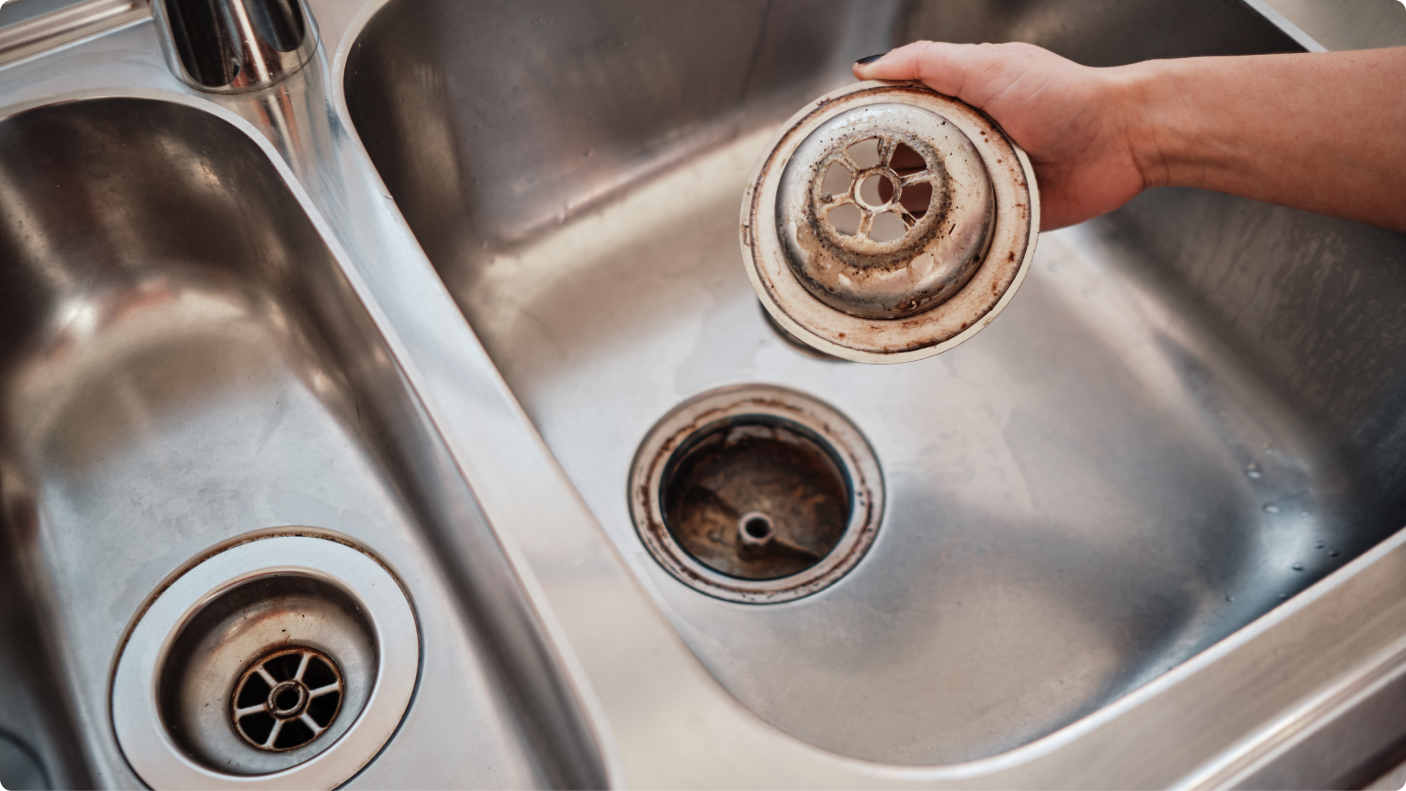
Small food pieces get stuck in the sink drain. These bits rot and cause bad smells. Regular cleaning removes leftover food and stops odors.
Clogged Drain Pipes
Drain pipes can collect grease and debris. This buildup blocks water flow and traps smells. Clearing clogs helps freshen your sink area.
Dry P-trap Issues
The P-trap holds water to block sewer gases. When dry, it lets odors escape into your kitchen. Running water daily keeps the trap wet and odor-free.
Mold And Mildew Growth
Moist areas under the sink invite mold and mildew. These fungi produce a musty, unpleasant smell. Clean damp spots and improve ventilation to prevent growth.
Garbage Disposal Problems
Food scraps stuck in the disposal cause bad smells. Waste can build up on blades and walls. Regular use and cleaning keep the disposal fresh and odor-free.
Quick Diy Solutions
Bad smells from your kitchen sink can be annoying. Many causes are easy to fix. Quick DIY solutions help remove odors fast. These simple steps use items you already have. Try them before calling a plumber.
Boiling Water Flush
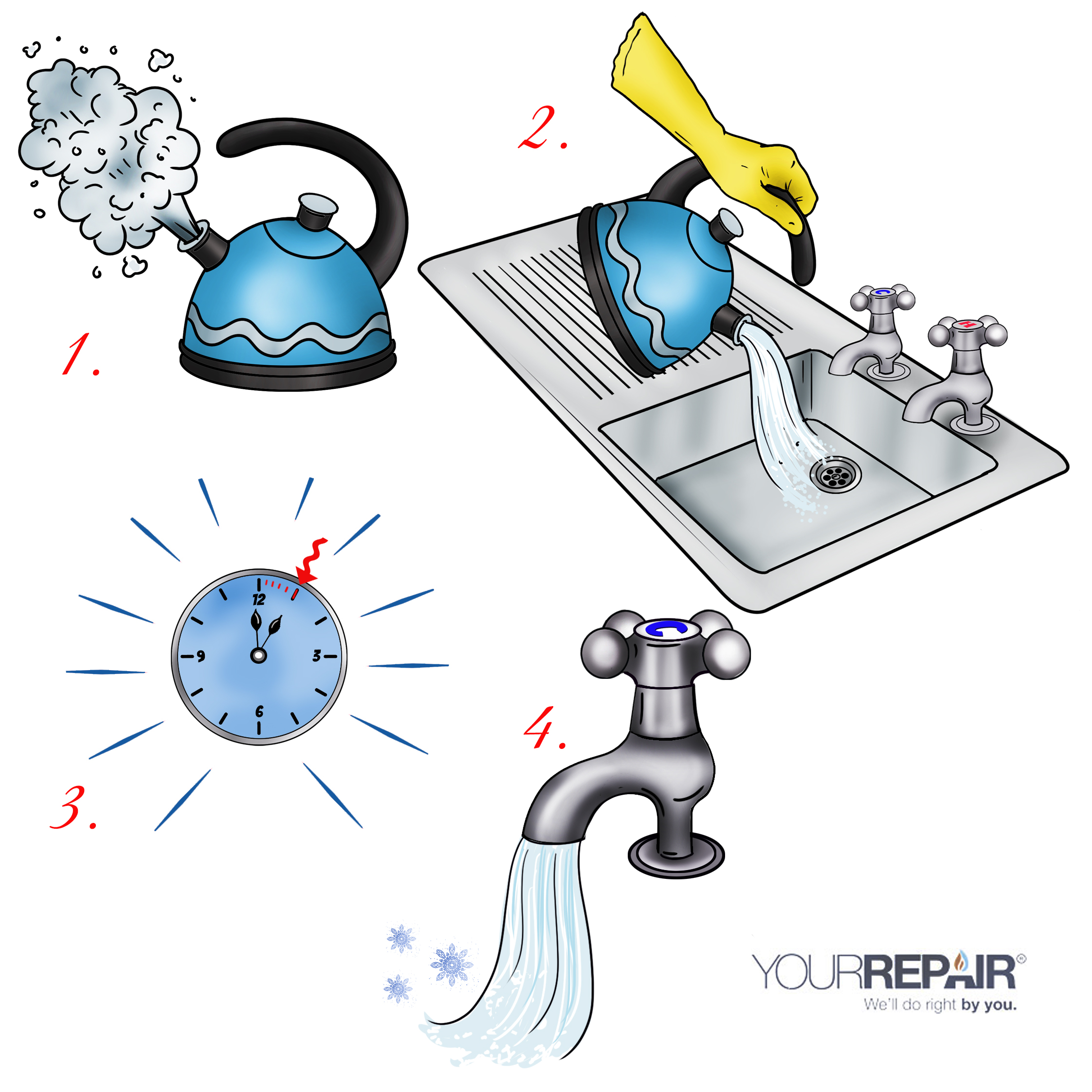
Boil a large pot of water. Slowly pour it down the drain. The hot water breaks down grease and food bits. This clears the drain and cuts bad smells. Repeat this process twice a week to keep odors away.
Baking Soda And Vinegar Treatment
Sprinkle half a cup of baking soda into the drain. Pour one cup of white vinegar after it. Let the mix fizz and sit for 15 minutes. Flush with hot water. This natural combo cleans and freshens the pipes effectively.
Cleaning The Garbage Disposal
Turn off the disposal. Add ice cubes and coarse salt into it. Run cold water and turn on the disposal. The ice scrapes off stuck particles. The salt acts as a scrub. This removes build-up and bad odors from inside.
Refreshing The P-trap
Place a bucket under the sink’s U-shaped pipe, the P-trap. Unscrew it carefully and empty any trapped water and debris. Clean the trap with soap and a brush. Reattach it tightly. This stops foul smells caused by trapped food.
Using Enzyme Cleaners
Buy an enzyme-based drain cleaner. Pour it into the sink drain as directed. Enzymes eat away organic waste causing odors. These cleaners are safe for pipes and the environment. Use weekly for ongoing odor control.
Preventive Measures
Preventive measures can stop kitchen sink odors before they start. A few good habits keep the sink fresh. Small actions daily make a big difference. Let’s explore simple steps to avoid a smelly kitchen sink.
Regular Sink Cleaning
Clean your sink every day. Use mild soap and warm water. Scrub the drain and faucet area well. This removes food bits and grease. Avoid letting dirt build up. Regular cleaning keeps bad smells away.
Proper Food Waste Disposal
Throw food scraps in the trash, not the drain. Avoid putting fibrous or starchy waste in the garbage disposal. These can clog pipes and cause odor. Use a sink strainer to catch small food particles. Empty it often to keep drains clear.
Avoiding Harsh Chemicals
Do not pour bleach or strong chemicals down the drain. These can harm pipes and kill helpful bacteria. Use natural cleaning agents like baking soda and vinegar. They clean well without damage. Harsh chemicals often cause more problems than they solve.
Maintaining Drain Flow
Run water for at least 15 seconds after using the sink. This flushes food and soap residue down the drain. Check pipes for leaks or blockages regularly. Clear slow drains immediately to stop odor from building up.
Ventilation Tips
Keep your kitchen well-ventilated. Open windows or use an exhaust fan while cooking and cleaning. Good airflow helps dry the sink area. It prevents moisture buildup that causes smells. A fresh, dry kitchen means no stinky sink.

Credit: www.liquidplumr.com
When To Call A Professional
Knowing when to call a professional plumber can save time and prevent bigger problems. Some kitchen sink issues need expert help. These problems can cause bad smells or damage your pipes if not fixed correctly. Here are clear signs that you should call a professional for your kitchen sink.
Persistent Odors
Bad smells that stay even after cleaning need expert attention. These odors often mean hidden buildup or mold inside pipes. Professionals can find the source and clean it properly. Trying to fix this alone might not work and could make the smell worse.
Severe Drain Clogs
Drain clogs that don’t clear with simple tools require a plumber. Stubborn blockages can damage pipes or lead to leaks. A professional uses special equipment to remove tough clogs safely. This stops future problems and keeps your sink working well.
Damaged Pipes
Cracks, leaks, or rust in pipes need urgent repair by a pro. Damaged pipes cause water leaks and bad odors. They can also lead to costly water damage in your home. A plumber can replace or fix pipes to protect your kitchen.
Garbage Disposal Replacement
When your garbage disposal stops working or smells bad, call a professional. Replacing this device requires skill and the right tools. A plumber ensures the new disposal fits well and works safely. This avoids leaks and keeps your sink fresh.
Credit: www.liquidplumr.com
Frequently Asked Questions
Why Does My Kitchen Sink Smell Bad?
Your kitchen sink smells bad due to trapped food particles, grease buildup, or bacteria growth. These cause foul odors. Regular cleaning and unclogging drains prevent these smells. Proper disposal of food waste also helps keep your sink fresh and odor-free.
How Can I Remove Kitchen Sink Odors Quickly?
To remove kitchen sink odors quickly, pour a mixture of baking soda and vinegar down the drain. Let it sit for 15 minutes, then flush with hot water. This natural method neutralizes odors and cleans the drain effectively without harsh chemicals.
What Causes Persistent Kitchen Sink Smells?
Persistent kitchen sink smells usually come from clogged or dirty pipes. Food debris, grease, and mold build up over time. Regularly cleaning the drain and using enzyme-based cleaners can prevent these odors. Also, check for leaks or damaged plumbing that might trap odors.
Can Garbage Disposals Cause Kitchen Sink Odors?
Yes, garbage disposals can cause kitchen sink odors if food scraps get stuck. Bacteria grow on trapped debris, creating bad smells. Regularly running disposal with cold water and cleaning it with lemon peels or baking soda keeps odors away.
Conclusion
A stinky kitchen sink often means a clog or trapped food bits. Clean the drain regularly to stop bad smells. Use baking soda and vinegar for a natural fresh scent. Avoid pouring grease or large food pieces down the sink.
Simple habits keep your kitchen sink smelling clean. A fresh sink makes cooking and cleaning more pleasant. Take small steps today for a fresher kitchen tomorrow. Easy care leads to a happy, odor-free kitchen space.