
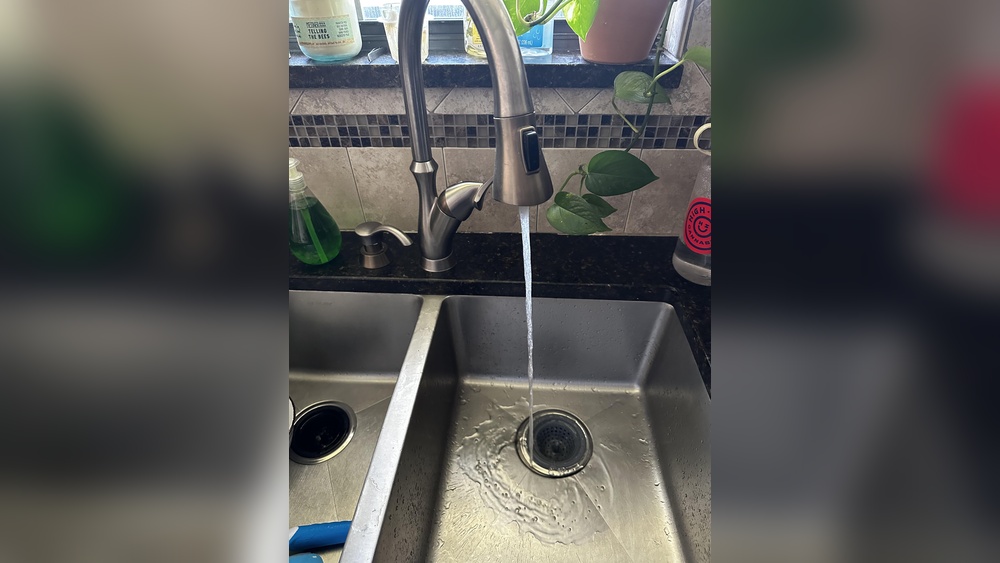
Have you ever turned on your kitchen sink and wondered, “Why doesn’t my kitchen sink have water pressure?” It’s frustrating when the water trickles out slowly or barely flows at all. You rely on your sink every day, and low water pressure can disrupt simple tasks like washing dishes or filling a pot.
But don’t worry—you’re not alone, and there are easy ways to find out what’s causing the problem. Keep reading to discover the common reasons behind low water pressure and how you can fix it quickly. Your kitchen sink should work perfectly, and soon it will.
Contents
Common Causes Of Low Water Pressure
Low water pressure in your kitchen sink can cause big problems. It makes washing dishes and filling pots slow and frustrating. Several common issues may cause this problem. Identifying these can help you fix the pressure quickly.
Clogged Aerator Or Faucet
The aerator is a small screen at the faucet tip. It can collect dirt and mineral deposits over time. This buildup blocks water flow and lowers pressure. Cleaning or replacing the aerator often restores good water flow.
Blocked Pipes Or Drainage
Pipes can get clogged with rust, debris, or mineral deposits. These blockages reduce water flow to your sink. Drainage issues can also cause pressure problems. Clearing pipes or drains can improve water pressure.
Faulty Shut-off Valves
Shut-off valves control water flow to your sink. If a valve is only partly open or broken, it limits water pressure. Check the valves under the sink to ensure they are fully open. Replace faulty valves to restore proper flow.
Issues With Water Supply Lines
Water supply lines deliver water to your kitchen sink. Old or damaged supply lines can leak or restrict water flow. Inspect lines for kinks, leaks, or wear. Replacing damaged lines can fix low water pressure problems.

Credit: www.youtube.com
How To Check Your Sink’s Water Pressure
Checking your kitchen sink’s water pressure is simple and important. Low pressure can cause many problems, like slow water flow or difficulty washing dishes. Testing the pressure helps find the problem fast and fix it right.
Testing The Flow Rate
Start by measuring how much water comes out. Use a container with a clear mark. Turn on the sink fully and fill the container for 10 seconds. Check how much water you collected. This shows your sink’s flow rate. If the amount is low, the pressure may be weak.
Inspecting Visible Plumbing
Look under the sink at the pipes and connections. Check for leaks, kinks, or blockages. Sometimes, dirt or rust can clog pipes and reduce pressure. Make sure all valves are fully open. Closed or partially closed valves stop water flow.
Using A Pressure Gauge
A pressure gauge gives an exact water pressure reading. Attach it to the faucet or a hose bib. Turn on the water and watch the gauge. Normal kitchen sink pressure is between 40 and 60 psi. Lower readings mean weak pressure, signaling a plumbing issue.
Quick Fixes For Low Water Pressure
Low water pressure in the kitchen sink can be frustrating. Simple fixes often restore strong water flow fast. These quick solutions target common causes of weak pressure. Try these easy steps before calling a plumber.
Cleaning Or Replacing The Aerator
The aerator at the faucet tip can clog with mineral deposits. Unscrew it gently and check for debris. Clean it using vinegar or a brush. If damaged, replace it with a new one. A clean aerator improves water flow instantly.
Clearing Blocked Pipes
Pipe blockages reduce water pressure. Use a plunger or plumber’s snake to clear clogs. Running hot water can help dissolve buildup inside pipes. Clear pipes allow water to flow freely again.
Adjusting Or Replacing Shut-off Valves
Shut-off valves under the sink may be partially closed. Turn the valve handle fully counterclockwise to open it. If the valve is old or broken, replace it. Proper valve adjustment restores full water flow.
Flushing The Water Supply Lines
Mineral deposits inside supply lines can block water. Turn off the water and disconnect supply hoses. Flush lines with water to remove buildup. Reconnect hoses and check for better pressure. Flushed lines boost water flow efficiently.

Credit: www.youtube.com
When To Call A Professional
Knowing when to call a professional can save time and prevent bigger problems. Some kitchen sink water pressure issues need expert help. Professionals have the tools and knowledge to fix complex plumbing problems safely. They also help avoid water damage that can be costly and dangerous.
Persistent Pressure Problems
Low water pressure that does not improve after basic fixes needs attention. A professional can find hidden clogs or damaged pipes. They check parts that are hard to reach. Persistent problems may show signs of bigger issues inside walls or under floors.
Complex Plumbing Issues
Old or complicated plumbing systems require expert care. Professionals understand various pipe layouts and materials. They can replace broken parts without causing more damage. Complex issues often need special tools and skills to fix properly.
Water Damage Concerns
Leaks or signs of water damage need quick action. Water damage can weaken structures and cause mold. A professional can spot damage early and stop it from spreading. They fix leaks to protect your home and health.
Preventing Future Water Pressure Issues
Preventing future water pressure problems in your kitchen sink saves time and money. Taking simple steps helps keep water flow steady and strong. Regular care and smart upgrades stop issues before they start.
Regular Maintenance Tips
Check your faucet and pipes for leaks often. Clean faucet aerators to remove dirt and mineral buildup. Clear drain pipes to avoid clogs that reduce pressure. Tighten loose connections to stop water leaks. A small fix today avoids big problems tomorrow.
Upgrading Plumbing Fixtures
Old faucets and pipes can lower water pressure. Replace worn-out parts with new, efficient models. Choose fixtures designed for better flow and durability. Modern valves and pipes improve water delivery. Upgrades keep your kitchen working smoothly and save water.
Monitoring Water Quality
Hard water causes mineral buildup in pipes and faucets. Use water softeners to reduce minerals. Test water quality regularly to spot problems early. Clean or replace filters as needed. Good water quality helps maintain strong water pressure over time.

Credit: gogreenplumb.com
Frequently Asked Questions
Why Is My Kitchen Sink Water Pressure Low?
Low water pressure often results from clogged aerators, faulty valves, or pipe blockages. Checking and cleaning these parts usually restores pressure quickly.
Can A Clogged Faucet Cause Weak Water Pressure?
Yes, debris or mineral buildup in faucet aerators can restrict flow. Cleaning or replacing the aerator often improves water pressure instantly.
How Does A Water Pressure Regulator Affect Kitchen Sinks?
A malfunctioning pressure regulator can reduce water flow to your sink. Inspecting or adjusting the regulator helps maintain consistent pressure.
Could Plumbing Leaks Reduce Kitchen Sink Water Pressure?
Leaks in pipes lower water volume reaching the sink. Regularly inspect for leaks and repair them to ensure proper water pressure.
Conclusion
Low water pressure in your kitchen sink can come from many causes. Check the faucet, pipes, and water supply for blockages or leaks. Cleaning the aerator often helps improve flow. Sometimes, the issue needs a plumber’s attention. Regular maintenance keeps water pressure steady.
Don’t ignore slow water; fixing it saves time and hassle. Simple steps can restore your sink’s pressure quickly. Keep these tips in mind to enjoy a smooth kitchen experience every day.