
Is your kitchen sink leaking and you’re not sure why? A dripping sink can quickly turn from a small annoyance into a big problem.
You might notice water pooling under the cabinet, a foul smell, or even an increase in your water bill. But don’t panic—understanding the common causes of a leaking sink can save you time, money, and stress. Keep reading to discover what might be causing your sink to leak and how you can fix it before the damage gets worse.
Credit: www.youtube.com
Contents
Common Leak Spots
Leaks in the kitchen sink cause water damage and waste. Knowing where leaks start helps fix them fast. Common spots often hide the problem. Check these areas carefully to find the source.
Faucet Issues
Faucets leak due to worn-out washers or seals. Loose parts or corrosion can cause drips. Sometimes, the faucet base allows water to escape. Tightening or replacing parts often stops leaks.
Drain Pipe Problems
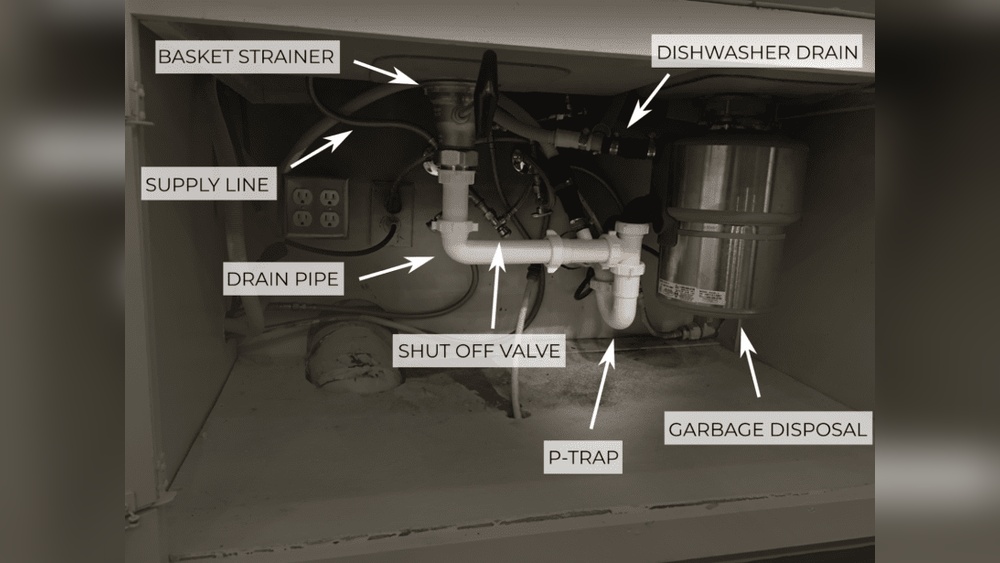
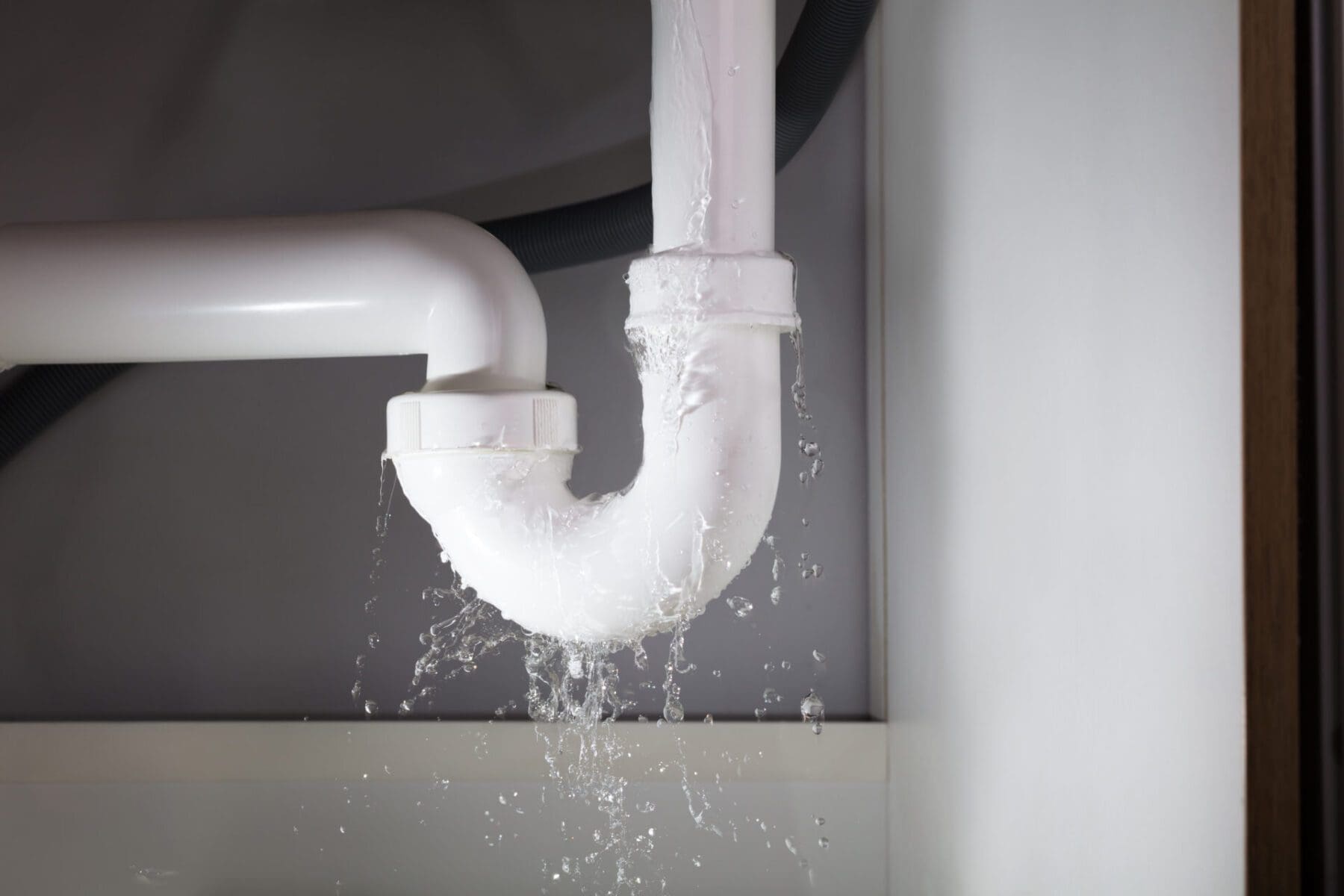
Drain pipes under the sink often develop leaks at joints. Cracks or worn-out washers cause water to drip. Poor installation or loose connections also lead to leaks. Regular checks help catch these early.
Water Supply Lines
Water supply lines connect the faucet to the main water. These lines can crack or loosen over time. Leaks appear at connection points or along the hose. Replacing old lines prevents water damage.
Sink Basin Cracks
The sink basin itself can crack from impact or age. Cracks let water seep underneath the sink. Look for discoloration or damp spots below the basin. Repair or replace the sink to stop leaks.
Signs Of A Leak
Noticing a leak in your kitchen sink early can save you from costly repairs. Leaks often show clear signs that you should watch for. These signs help you spot the problem fast and fix it quickly. Understanding these clues makes your home safer and your plumbing better.
Water Puddles
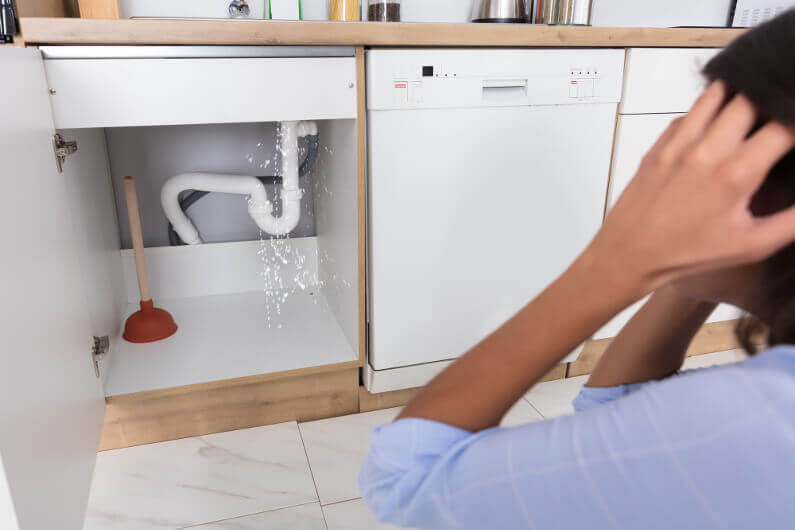
One of the most obvious signs is water puddles under the sink. These pools form when water escapes from pipes or the drain. The floor may stay wet even after wiping. Check around the cabinet and beneath the sink regularly.
Musty Odors
A strange, musty smell near your sink often means hidden leaks. Water trapped in cabinets or walls creates mold and mildew. This smell is a warning to inspect your sink area closely. Ignoring it can lead to bigger damage.
Low Water Pressure
Leaks can cause your water pressure to drop suddenly. If water feels weak from the faucet, a leak might be the cause. Water escapes somewhere in the pipes, lowering the flow. Test your sink by turning on the tap fully.
Visible Drips
Seeing drips around your sink is a clear sign of a leak. Watch the faucet, pipes, and connections for drops of water. Even small drips waste water and can damage your cabinet. Fixing drips early keeps your kitchen dry and safe.
Quick Fixes For Faucet Leaks
A leaking kitchen faucet wastes water and causes damage. Quick fixes can stop leaks fast. Many leaks come from worn parts inside the faucet. Simple repairs often solve the problem without a plumber. Here are easy ways to fix faucet leaks at home.
Replacing Washers
Washers stop water from leaking around the faucet handle. Over time, washers wear out and crack. Turn off the water supply first. Remove the faucet handle and find the washer. Take the old washer out and replace it with a new one. Tighten everything back in place. Check if the leak stops.
Tightening Connections
Loose connections cause water to drip from the faucet. Use a wrench to gently tighten nuts under the sink. Avoid over-tightening to prevent damage. Tighten both supply line connections and faucet parts. Test the faucet after tightening. This fix often stops leaks quickly.
Switching Out O-rings
O-rings are small rubber rings inside the faucet. They seal parts and stop leaks. Leaky faucets often need new O-rings. Turn off water and remove the faucet handle. Find the O-rings on the stem or cartridge. Remove old rings and replace with new ones. Put the faucet back together and test for leaks.
Repairing Drain Pipe Leaks
Repairing drain pipe leaks is important to stop water damage and bad smells. Leaks often happen where pipes connect or where the pipe is old and cracked. Fixing these leaks can save water and keep your kitchen safe.
Sealing Joints
Joints are common spots for leaks. Use a waterproof sealant around the joint to stop drips. Clean the area well before applying sealant. Press the sealant firmly to fill all gaps. Let it dry fully for a strong hold.
Replacing Damaged Pipes
Sometimes pipes have cracks or holes that sealant cannot fix. Replace these pipes with new ones of the same size. Turn off the water before removing old pipes. Use pipe cutters for a clean cut. Fit the new pipe tightly to prevent leaks.
Using Pipe Tape
Pipe tape helps seal small leaks or loose joints. Wrap the tape around the threads of pipe ends. Wrap it in the direction of the threads to ensure a tight fit. Use several layers for better protection. This tape stops water from escaping the pipes.
Fixing Supply Line Issues
Fixing supply line issues is a common step to stop a kitchen sink leak. These lines carry water from your home’s main supply to the faucet. Problems here often cause leaks under the sink or near the wall.
Checking the supply lines regularly helps catch leaks early. Small leaks can cause big water damage over time. Simple fixes often solve these problems without calling a plumber.
Checking For Corrosion
Corrosion weakens supply lines and causes leaks. Look for rust or greenish stains on metal parts. Soft or cracked hoses also mean corrosion damage. Replace any corroded parts quickly to avoid leaks.
Tightening Loose Fittings
Loose fittings are a common leak cause. Use a wrench to gently tighten connections. Avoid over-tightening to prevent damage. Check fittings on both ends of the supply line. Sometimes, a small turn stops the drip.
Replacing Old Hoses
Old hoses crack and leak easily. Replace hoses every few years for safety. Choose braided stainless steel hoses for durability. Turn off water before replacing to avoid spills. Secure new hoses tightly but carefully.
Credit: nicholson-hvac.com
Preventive Measures
Preventing a kitchen sink leak saves time and money. Small problems often start unnoticed. Taking steps early stops leaks from growing. Simple habits keep your sink safe and dry.
Regular Inspections
Check under the sink often for wet spots. Look at pipes and joints for cracks or rust. Tighten loose fittings with a wrench. Early spotting of damage avoids big repairs. Make inspection part of your routine every month.
Proper Cleaning Habits
Clean the sink drain regularly to avoid clogs. Use mild soap and avoid harsh chemicals. Harsh cleaners can damage pipes and seals. Rinse the sink well after washing dishes. Keep the drain clear to stop leaks from pressure.
Using Quality Materials
Choose strong pipes and fittings made for kitchens. Cheap parts wear out faster and leak sooner. Use waterproof sealants on joints to prevent water escape. Replace old parts with durable materials. Good materials last longer and protect your home.
When To Call A Professional
Knowing when to call a professional for a leaking kitchen sink saves time and prevents damage. Some problems need expert tools and skills. Trying to fix complex leaks alone can make things worse. Watch for signs that a plumber should handle the repair.
Persistent Leaks
Leaks that keep coming back need professional help. Temporary fixes may stop leaks briefly. A plumber can find the root cause and fix it for good. Persistent leaks waste water and raise bills. Don’t ignore constant dripping or pooling water.
Complex Repairs
Complex leaks often involve pipes under the sink or inside walls. These repairs require special tools and experience. Professionals can safely remove damaged parts and install new ones. Complex plumbing jobs are risky without proper training. Leave tough repairs to the experts for safety and quality.
Water Damage Concerns
Leaks cause water damage to cabinets, floors, and walls. Water weakens wood and causes mold growth. A plumber can stop the leak and check for hidden damage. Early repair prevents costly damage and health risks. Don’t wait if you see stains, warping, or smells near your sink.
Credit: royaltyplumbing.com
Frequently Asked Questions
Why Is My Kitchen Sink Leaking From The Faucet?
A leaking faucet usually means worn-out washers or seals. Tightening or replacing these parts often stops the drip. Mineral buildup can also cause leaks, so cleaning helps. If problems persist, professional repair might be needed.
What Causes A Leak Under The Kitchen Sink?
Leaks under the sink often come from loose or damaged pipes. Faulty drain connections or worn-out seals may also cause water to drip. Regularly checking and tightening fittings can prevent leaks and water damage.
How Do I Fix A Leaking Kitchen Sink Drain?
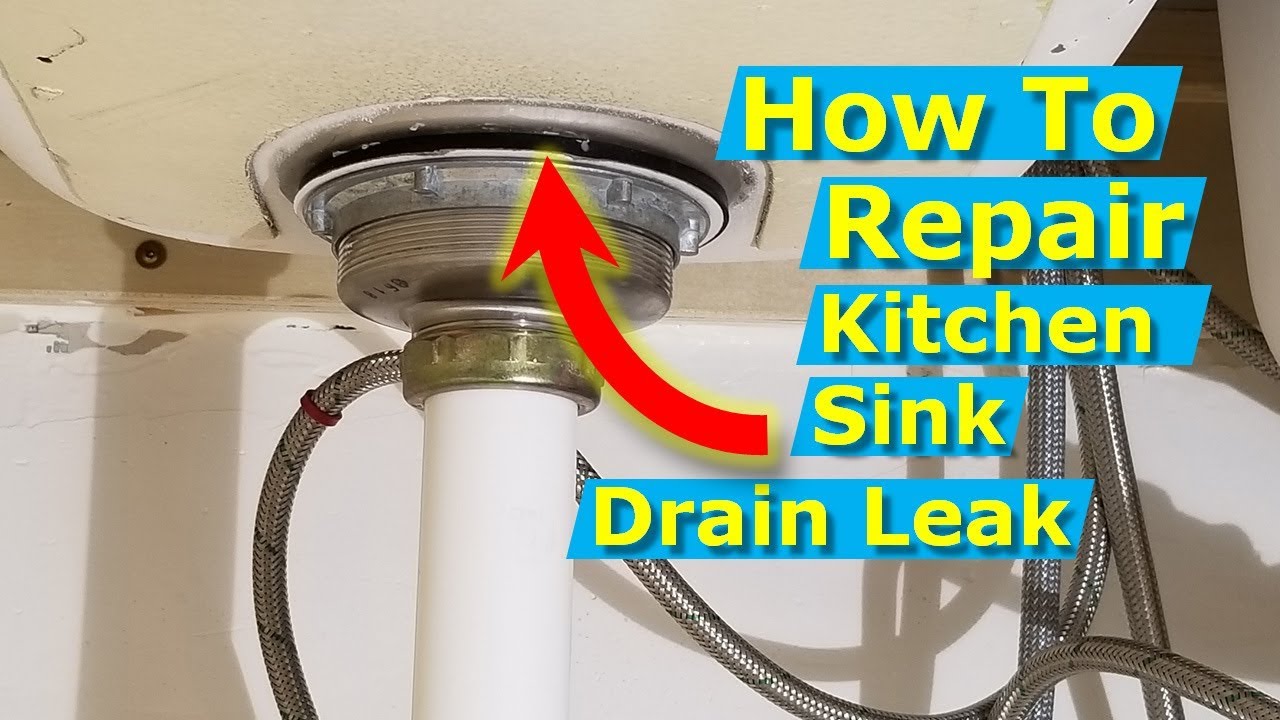
Fixing a leaking drain usually involves tightening the slip nuts or replacing the drain gasket. Inspect the drain assembly for cracks or corrosion. Properly sealing these parts often stops leaks quickly without professional help.
Can Old Plumbing Cause My Kitchen Sink To Leak?
Yes, aging plumbing parts like pipes, seals, and washers degrade over time. Corrosion and wear create leaks. Regular inspections and timely replacement help maintain a leak-free kitchen sink.
Conclusion
A leaking kitchen sink can cause many problems over time. Fixing it early saves money and stress. Check pipes, seals, and faucet parts for damage. Tighten loose connections carefully. Clean out any debris blocking water flow. Sometimes, small leaks need professional help.
Keep an eye on your sink regularly. A dry, well-maintained sink means fewer worries. Don’t let a leak turn into a bigger issue. Simple steps can protect your home and comfort. Act fast to keep your kitchen running smoothly.