
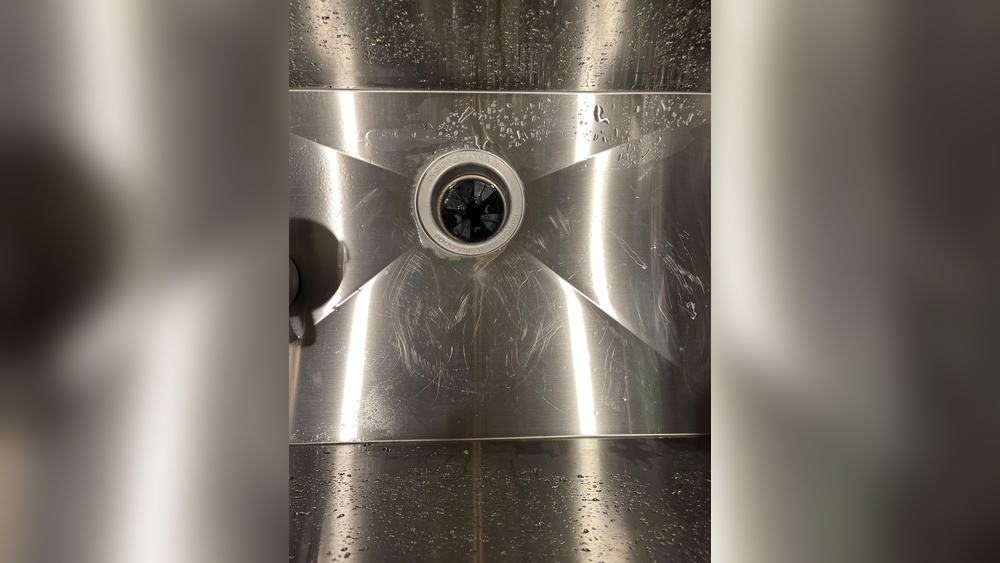
Have you ever noticed tiny scratches on your stainless steel sink and wondered how they got there? Those marks might seem harmless, but they can make your sink look old and worn out faster than you’d like.
You probably want your kitchen to stay shiny and new, right? Understanding why your stainless steel sink gets scratched is the first step to keeping it looking great for years. Keep reading to find out the surprising reasons behind those scratches and how you can protect your sink from damage.

Credit: www.youtube.com
Contents
Common Causes Of Scratches
Stainless steel sinks look sleek and last long. Still, they can get scratched over time. Knowing why scratches happen helps you protect your sink better. Several common causes lead to these marks. Understanding them keeps your sink shiny and smooth.
Daily Wear And Tear
Using your sink every day causes small scratches. Plates, pots, and pans rub against the surface. Over time, these tiny marks add up. Regular use naturally wears down the finish.
Abrasive Cleaning Tools
Scrubbing with rough sponges or steel wool scratches the sink. These tools scrape the surface deeply. Using soft cloths or non-abrasive pads is safer.
Harsh Chemicals
Strong cleaners damage the sink’s protective layer. Acidic or bleach-based products cause dull spots and scratches. Choose gentle, stainless steel-friendly cleaners instead.
Cutting Directly On The Sink
Cutting food or objects on the sink surface leaves marks. Knives can easily scratch the steel. Always use a cutting board to protect the sink.
Hard Water Deposits
Minerals in hard water create rough deposits on the sink. These deposits trap dirt and cause scratching. Regular cleaning prevents buildup and keeps the surface smooth.

Credit: www.stratagemconstruction.com
Types Of Stainless Steel Finishes
Stainless steel sinks come with different surface finishes. These finishes affect how the sink looks and how it shows scratches. Understanding these types helps you know why your sink may get scratched easily. It also guides you in choosing the right sink for your kitchen.
Brushed Finish
Brushed finish sinks have fine lines on their surface. These lines are created by a brushing process. This finish hides small scratches well. It also gives a soft, modern look. Brushed finishes are popular in many kitchens.
Mirror Finish
Mirror finish sinks are shiny and smooth. They look like a mirror. This finish shows scratches and water spots easily. It needs regular cleaning to keep its shine. Mirror finish adds a touch of elegance to kitchens.
Matte Finish
Matte finish sinks have a dull and smooth surface. They do not reflect light much. This finish hides fingerprints and scratches better than mirror finish. Matte sinks offer a subtle and stylish look. They are good for busy kitchens.
How Scratches Affect Your Sink
Scratches on a stainless steel sink do more than just change how it looks. They also affect how the sink performs and how long it lasts. Understanding these effects helps you care better for your sink and keep it in good shape.
Appearance Changes
Scratches make the sink look old and worn out. They catch light differently, creating dull spots. Over time, many small scratches can cover the sink’s shiny surface. This makes the sink less attractive and lowers its overall value.
Corrosion Risks
Scratches remove the sink’s protective layer. This exposes the metal to water and air. Rust can start to form in these areas. Corrosion weakens the sink and can cause holes or stains. A scratched sink may not last as long as a smooth one.
Cleaning Challenges
Scratches trap dirt and grime easily. Cleaning becomes harder because dirt sticks in the grooves. Bacteria can grow in these tiny scratches too. This can make your sink less hygienic. Regular scrubbing may not remove all the dirt from scratched areas.
Simple Diy Fixes For Scratches
Scratches on stainless steel sinks can spoil their look. Luckily, many scratches can be fixed with simple tools at home. These easy fixes save money and restore shine fast. Try these methods to bring back your sink’s smooth surface.
Using Baking Soda Paste
Make a thick paste by mixing baking soda with water. Apply the paste on the scratched areas. Rub gently with a soft cloth in small circles. Rinse well with water and dry. Baking soda works as a mild abrasive. It removes light scratches without damaging the sink.
Applying Stainless Steel Polish
Choose a polish made especially for stainless steel. Apply a small amount on a soft cloth. Rub the polish on scratches following the grain of the steel. Let it sit a few minutes. Then wipe off with a clean cloth. The polish fills scratches and adds shine.
Sanding With Fine Grit Paper
Use very fine sandpaper, like 600 grit or higher. Wet the sandpaper and sink surface before sanding. Gently sand along the grain of the steel. Avoid sanding too hard or across the grain. Wipe away dust with a damp cloth. This method helps reduce deeper scratches.
Buffing With A Soft Cloth
After applying any fix, buff the sink with a soft cloth. Use circular motions to smooth the surface. Buffing enhances shine and blends repairs. It also removes any leftover residue. Finish by drying the sink thoroughly.
Preventing Future Scratches
Preventing future scratches on your stainless steel sink keeps it looking new and shiny. Small habits and the right care make a big difference. Protecting your sink extends its life and keeps it clean and smooth.
Choosing The Right Cleaning Tools
Use soft cloths or sponges for cleaning. Avoid steel wool or rough scrubbers. These can leave scratches easily. Use mild dish soap and warm water. This cleans without harming the surface. Always rinse and dry after cleaning.
Avoiding Cutting In The Sink
Never cut food directly in the sink. Knives and sharp tools cause scratches fast. Use a cutting board instead. This protects both your sink and your knives. Keep the sink free from hard objects that may scratch.
Regular Maintenance Tips
Clean your sink daily with gentle soap. Wipe it dry to stop water spots. Polish the sink with a stainless steel cleaner once a week. This removes light scratches and keeps shine. Avoid harsh chemicals that can damage the surface.
Using Sink Mats And Grids
Place rubber or silicone mats at the bottom of your sink. They act as a barrier against pots and pans. Metal grids also protect the sink from scratches. These tools absorb impact and prevent direct contact with the sink.

Credit: www.reddit.com
When To Seek Professional Help
Knowing when to seek professional help for your stainless steel sink saves time and effort. Some scratches need expert care to restore the sink’s look. Small scratches can often be fixed at home.
Deep Or Extensive Scratches
These scratches do not respond well to home remedies. Extensive scratches cover a large area and make the sink look worn out. Professionals use special tools to smooth out these marks. They can restore the shine without damaging the sink further.
Refinishing And Resurfacing Options
Refinishing means applying a new finish to the sink’s surface. Resurfacing involves adding a protective layer to hide scratches. Both methods improve the sink’s appearance and protect it from future damage. Professionals have the right products and experience to do this job well. Attempting these processes alone can cause more harm than good.
Frequently Asked Questions
Why Does My Stainless Steel Sink Get Scratched Easily?
Stainless steel sinks scratch easily due to their soft surface. Everyday items like pots, pans, and utensils can cause minor abrasions. Harsh scrubbing or using abrasive cleaners also contribute to scratches. Regular care and gentle cleaning help minimize damage and keep the sink looking new longer.
Can Acidic Foods Cause Stainless Steel Sink Scratches?
Acidic foods do not directly cause scratches on stainless steel sinks. However, they can dull the finish and make scratches more visible. Avoid leaving acidic residues on the sink and clean promptly. This helps maintain the sink’s shine and reduces the appearance of marks.
How Can I Prevent Scratches On My Stainless Steel Sink?
To prevent scratches, avoid abrasive cleaners and scrubbers. Use soft sponges or cloths for cleaning. Place protective mats or grids at the bottom. Avoid dragging heavy pots or sharp objects across the surface. Regular cleaning with mild detergent preserves the sink’s finish.
Are All Stainless Steel Sinks Equally Prone To Scratches?
No, scratch resistance varies by sink grade and finish. Higher gauge steel and brushed finishes tend to hide scratches better. Lower gauge steel sinks are softer and more prone to visible scratches. Choosing a quality sink reduces the risk of damage over time.
Conclusion
Stainless steel sinks often get scratched from daily use. Hard objects and abrasive cleaners cause most marks. Even normal washing can leave tiny scratches. These scratches do not ruin the sink’s function. You can reduce scratches by using gentle sponges.
Wiping the sink dry helps keep it shiny. Small scratches add character to the sink’s look. With simple care, your sink stays nice longer. Understanding why scratches happen helps you protect your sink better. Keep cleaning easy and avoid rough scrubbing.
Your sink will look good for years.