
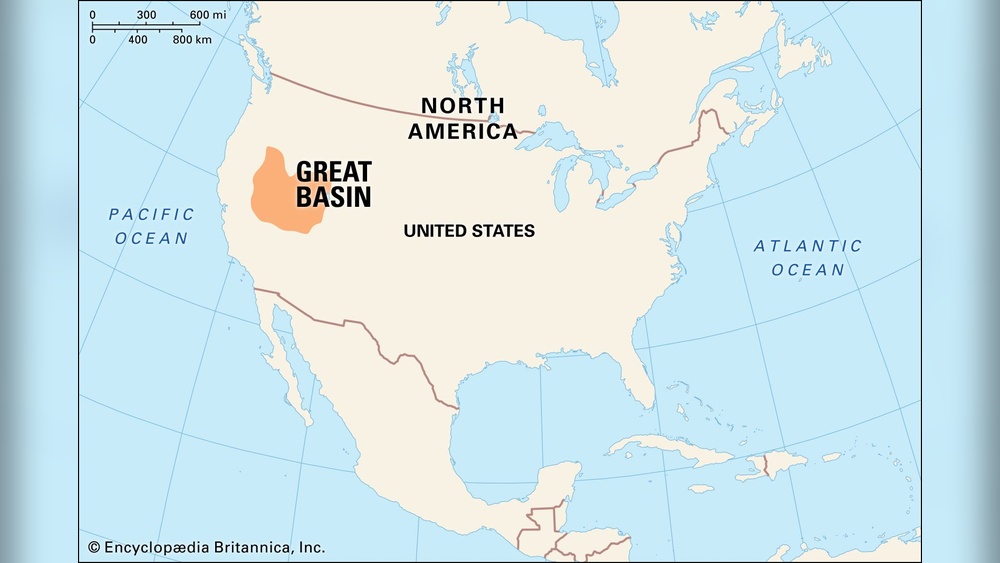
Have you ever wondered why the Great Basin holds a special place in U.S. History? This vast and unique region is more than just an empty desert.
It shaped the lives of Native Americans, explorers, and settlers alike. Understanding its importance can give you a fresh perspective on how America grew and changed. Keep reading to discover the surprising ways the Great Basin has influenced your history—and why it still matters today.
Credit: en.wikipedia.org
Contents
Geography And Natural Features
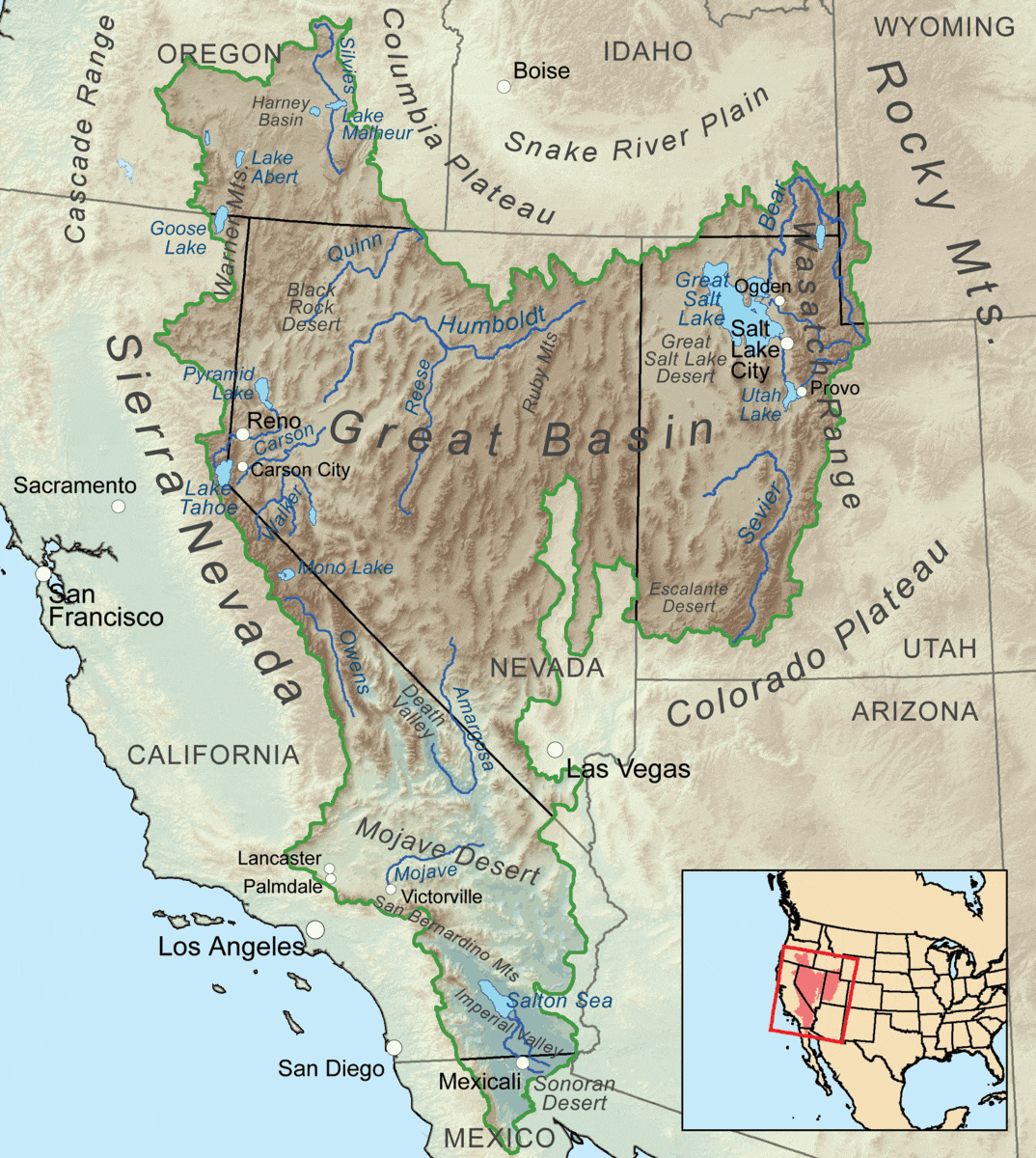
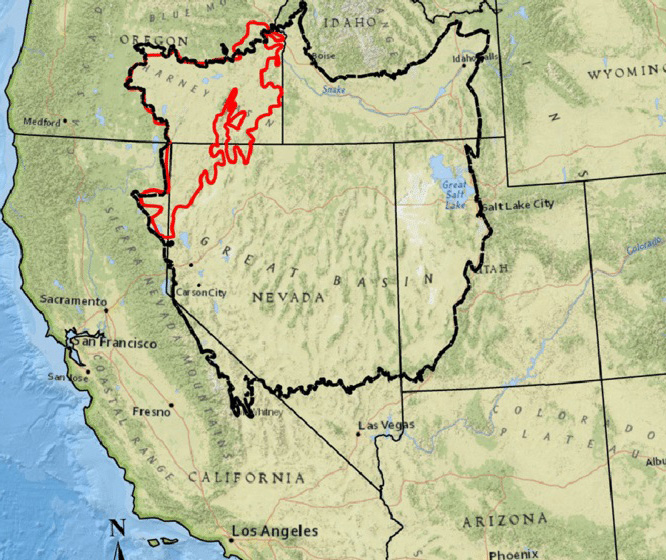
The Great Basin is a vast area in the western United States. It covers parts of Nevada, Utah, Oregon, and California. Its geography and natural features shape its role in U.S. history. The land’s uniqueness influences culture, economy, and settlement patterns.
The region’s natural features tell a story of survival and adaptation. They support diverse wildlife and human activity. Understanding these features helps us appreciate the Great Basin’s importance.
Unique Landscape And Climate
The Great Basin is a large desert area with many mountain ranges. It has no rivers that flow out to the ocean. Rain is scarce, making the climate dry and harsh. Summers are hot, and winters can be cold. The land has salt flats, sand dunes, and rocky plateaus. These features create a unique environment unlike other U.S. regions.
Major Rivers And Lakes
The Great Basin holds several important rivers and lakes. The Humboldt River is the longest river in the area. It flows through Nevada and supports farming and wildlife. Lake Tahoe, one of the largest freshwater lakes, lies on the border of Nevada and California. Great Salt Lake in Utah is the largest saltwater lake in the Western Hemisphere. These water bodies are crucial for local ecosystems and human use.
Flora And Fauna
Plant and animal life in the Great Basin adapts to dry conditions. Sagebrush covers much of the land and is vital for many animals. The region is home to mule deer, pronghorn antelope, and mountain lions. Birds like the sage grouse also thrive here. This diverse life supports both nature and human needs.

Credit: www.youtube.com
Native American Heritage
The Great Basin holds deep meaning for Native American history. It is home to many tribes with rich cultures. Their stories and traditions shape the region’s identity. Understanding their heritage helps us respect their lasting impact on U.S. history.
Indigenous Tribes Of The Basin
The Great Basin is the ancestral land of several Native American tribes. The Shoshone, Ute, Paiute, and Washoe lived here for centuries. These tribes adapted to the harsh desert environment. They thrived by hunting, gathering, and trading with neighbors.
Cultural Practices And Traditions
Native Americans in the Great Basin had unique customs. They held ceremonies to honor nature and spirits. Storytelling passed down knowledge from elders to youth. Basket weaving and pottery were important crafts. These traditions kept their culture alive through generations.
Archaeological Sites
The Great Basin holds many archaeological sites. These places reveal ancient tools, dwellings, and art. Petroglyphs carved on rocks tell stories of early life. Archaeologists study these sites to learn about Native American history. Protecting these sites preserves the heritage of the tribes.
Exploration And Settlement
The Great Basin played a key role in the exploration and settlement of the American West. This vast area shaped how early travelers moved and where settlers chose to live. Understanding this history helps us see the challenges and achievements of those times.
Early Explorers’ Routes
Early explorers crossed the Great Basin searching for new lands and resources. They mapped unknown paths through deserts and mountains. Their routes helped later travelers find water and safe passages. These explorers faced harsh weather and tough terrain.
Pioneer Trails And Migration
Pioneer trails passed through the Great Basin as settlers moved west. The Oregon, California, and Mormon Trails were main paths for migration. Settlers followed these trails to reach fertile lands and new opportunities. The Great Basin’s harsh environment tested their courage and survival skills.
Impact On Westward Expansion
The Great Basin influenced the pace and direction of westward expansion. It acted as a barrier and a corridor for movement. Settlements grew along water sources and trail stops. This region helped shape the map of the growing United States.
Economic Contributions
The Great Basin has played a key role in the economic growth of the United States. Its natural resources and location have supported many industries. These industries helped build towns and create jobs. The region’s economy is diverse, with mining, farming, and trade all important.
People have used the land’s resources for hundreds of years. The Great Basin’s wealth comes from what lies beneath and above the ground. Its economic contributions have shaped the history of the American West.
Mining And Natural Resources
The Great Basin is rich in minerals like gold, silver, and copper. Mining has been a major industry since the 1800s. Many towns grew around mining sites. These minerals helped fund the growth of cities and industries nationwide.
Besides minerals, the region has valuable natural resources. Timber and water have supported local economies. These resources continue to be important for energy and manufacturing.
Agriculture And Ranching
Farming and ranching have thrived in parts of the Great Basin. Despite dry conditions, irrigation made farming possible. Crops like alfalfa and wheat are common. Ranchers raise cattle and sheep on the open land.
These activities provide food and jobs. They also support local markets and export goods. Agriculture and ranching remain vital to the region’s economy.
Transportation And Trade
The Great Basin is a natural crossroads for trade routes. Railroads and highways pass through the area. They connect the East and West coasts. This access helped move goods and people efficiently.
Trade centers grew along these routes. Markets for minerals, crops, and livestock expanded. The Great Basin’s role in transportation boosted regional and national economies.
Environmental Significance
The Great Basin holds a unique place in America’s environment. It covers a vast area with deserts, mountains, and valleys. This region supports many rare plants and animals found nowhere else. Its dry climate and rugged landscape shape the natural world in special ways.
Understanding the Great Basin’s environment helps protect its fragile ecosystems. This area faces risks from climate change and human activities. Taking care of the Great Basin means preserving its natural beauty and wildlife for future generations.
Conservation Efforts
Many groups work hard to protect the Great Basin’s land and species. They study the environment and promote responsible use of resources. Efforts include restoring habitats and controlling invasive plants. These actions help keep the ecosystem balanced and healthy.
National Parks And Protected Areas
The Great Basin includes several national parks and protected lands. These places safeguard important natural features and wildlife. Visitors can explore unique landscapes like caves, forests, and deserts. Protected areas allow nature to thrive without too much human impact.
Challenges And Preservation
The Great Basin faces challenges like drought and land development. These threats harm plants, animals, and water supplies. Preservation requires careful planning and cooperation among communities. Protecting this region ensures its natural treasures endure over time.
Credit: www.oregonencyclopedia.org
Cultural Legacy And Influence
The Great Basin holds a rich cultural legacy that shapes American history deeply. This vast area carries stories, traditions, and art that connect past and present. Understanding its influence helps us see how history lives in culture today.
People have passed down tales from generation to generation. These stories tell of spirits, nature, and survival. They form a strong bond between the land and its people.
Folklore And Legends
The Great Basin is full of unique folklore and legends. Native tribes told stories about animals, mountains, and the stars. These tales explain the world and teach lessons about life.
Legends often feature heroes, tricksters, and spirits. They show respect for nature and warn of dangers. These stories still inspire people today.
Art And Literature Inspired
Artists and writers draw inspiration from the Great Basin’s culture. Paintings, songs, and books reflect the land’s beauty and history. These creative works keep traditions alive.
Many poems and stories describe life in the desert and mountains. They share the struggles and joys of those who live there. Art connects people to the Great Basin’s spirit.
Modern-day Importance
The Great Basin’s cultural influence continues in modern times. Festivals and events celebrate Native American heritage. They educate the public about ancient customs.
Today, people use these traditions to build community and identity. The legacy helps preserve history and respect for the land. It remains a vital part of American culture.
Frequently Asked Questions
What Role Did The Great Basin Play In Us Westward Expansion?
The Great Basin was a critical area during westward expansion. It served as a challenging route for pioneers and influenced migration patterns. Its unique geography shaped settlement and transportation across the American West.
Why Is The Great Basin Ecologically Significant In Us History?
The Great Basin hosts diverse ecosystems and rare species. It reflects historical land use and conservation efforts. Protecting this area helps preserve natural heritage and biodiversity in American history.
How Did Native Americans Influence The Great Basin Region?
Native Americans adapted to the Great Basin’s harsh environment for centuries. Their culture, trade, and survival techniques deeply impacted the region’s history and development. Their legacy remains vital to understanding the area’s past.
What Economic Importance Did The Great Basin Have Historically?
The Great Basin contributed to mining, agriculture, and trade economies. Resources like minerals and grazing land supported local and national growth. Its economic role helped shape the American frontier’s development.
Conclusion
The Great Basin shaped much of U. S. History and culture. It holds stories of early explorers and Native peoples. Its unique landscape influenced settlement and economy. The region’s natural resources supported growth and trade. Protecting the Great Basin helps preserve our past.
Understanding it enriches our knowledge of American heritage. The Great Basin remains a vital part of history. It connects us to the land and the people before us.